If you’re opening and closing the same locker every single day, the lock matters more than almost anything else about the unit. Finding the best lock for storage locker use isn’t about picking whatever’s cheapest at the hardware store – it’s about matching the lock to how often it gets used, who’s using it, and what’s actually inside. A lock that’s perfect for occasional storage can wear out fast under daily traffic, and one that’s overbuilt for the job just slows people down. Storage lockers only work as well as the locks protecting them, so it’s worth spending a few minutes getting this right before you outfit an entire room full of units.
A lock that sits untouched for weeks behaves nothing like one that gets spun, clicked, or swiped fifteen times a day. Combination dials wear down at the numbers people use most. Key locks develop sloppy tolerances after enough insertions. Even electronic locks, which seem maintenance-free, can drain batteries faster than expected when they’re constantly waking up and re-locking.
If you’re outfitting a gym, a school, or a workplace where the same storage lockers cycle through dozens of users a day, think about lock lifespan the same way you’d think about a door hinge – it’s a wear item, not a set-it-and-forget-it purchase. Check the manufacturer’s rated cycle count if it’s listed, and don’t be afraid to ask your supplier directly what’s held up best in similar high-traffic settings.
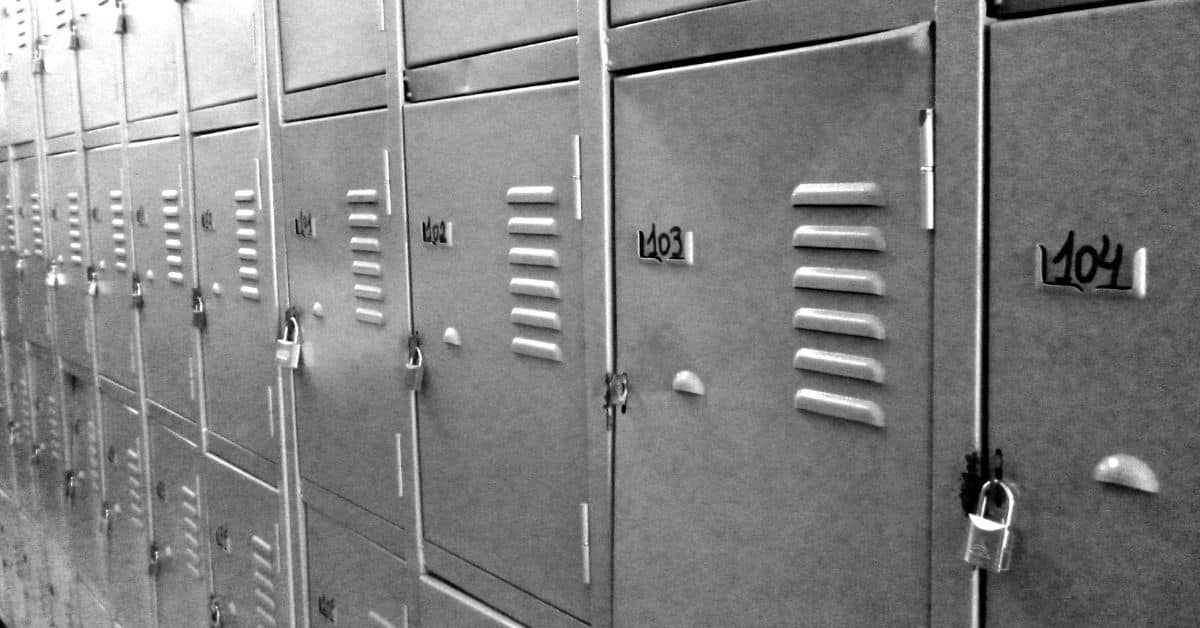
Padlocks are flexible and cheap to replace, which makes them a popular default. But they also get lost, lent out, and forgotten in gym bags more than any other lock type. If your lockers see a rotating cast of users – students, gym members, visiting employees – a built-in lock tied to the unit itself usually wins out, since there’s nothing extra for anyone to carry or misplace.
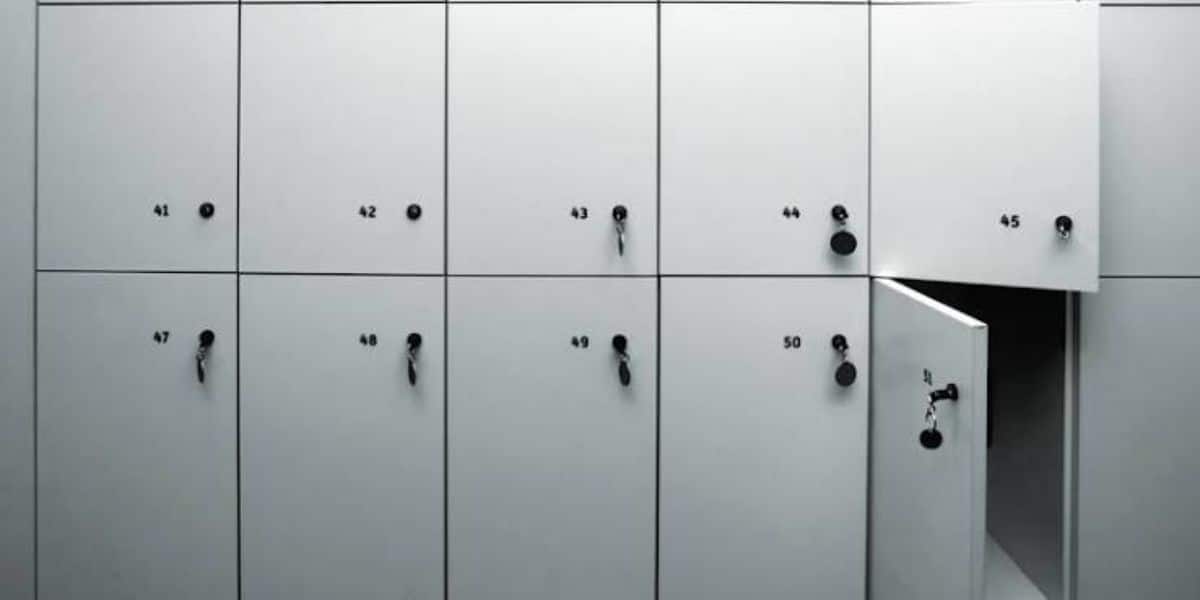
Built-in cam locks, key locks, and combination dials that come standard on most metal lockers tend to be the sturdier long-term choice for daily use. When you’re comparing new lockers for a facility, it’s worth looking at what lock options come pre-installed versus what you’d need to add separately, since retrofitting later usually costs more than choosing correctly upfront.
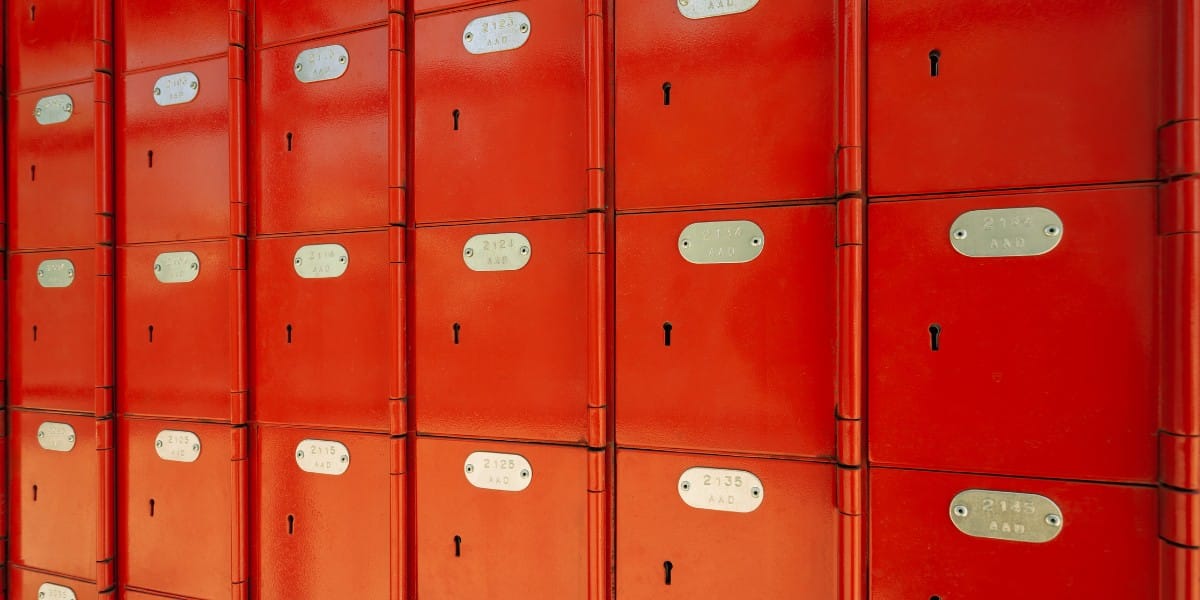
Combination locks are the classic choice for schools and gyms because there’s no key to lose and no card to replace. The tradeoff is that combinations get shared, written on hands, or forgotten by users who don’t use the locker every day.
Key locks are simple and reliable, but someone has to manage the keys – which becomes a real headache once you’re dealing with more than a handful of lockers.
Electronic and RFID locks have gotten a lot more affordable in the last few years, and they’re worth a serious look for any facility issuing new lockers to a large group. They let you reset access instantly when someone leaves, without needing to rekey or reset a dial. At Lockers Unlimited, we’ve fitted facilities with all three types and found that the right answer usually comes down to how much staff time you have available to manage lost keys or forgotten combinations.
Cheap locks fail in predictable ways: shackles bend, dials strip, and key cylinders jam. Look for hardened steel shackles if the locker holds anything valuable, and check whether the lock is rated for outdoor or humid conditions if it’s going anywhere near a pool deck or loading dock.
It also pays to standardize. If every locker in a room uses the same lock type, replacement parts are easier to keep on hand, and staff only need to learn one system instead of juggling three. If you’re not sure what’s compatible with your current setup, our locker services and repair options team can walk through what fits your existing units before you buy anything new.
A break room locker holding someone’s lunch doesn’t need the same lock as a gear locker holding firearms or expensive equipment. Match the lock’s security level to what’s actually at stake. For light-duty storage, a basic combination dial is often plenty. For anything higher-value, step up to a hardened padlock or an electronic lock with an audit trail showing who accessed it and when.
If you’re outfitting a facility from the ground up, browsing our full range of new lockers can help you see which lock types come standard on which models, so you’re not bolting on a mismatched solution later. And if budget is tight, our used locker inventory often includes units with working locks already installed, which can save a meaningful chunk of the project cost.
Whatever you land on, test it under real conditions before committing to a full order. Have a few people open and close it fifty times in a row the way they would on a busy morning, and see what actually holds up.