
Ask a warehouse manager what went wrong with a locker project, and the answer is rarely about color or brand. It is almost always about size. The boots do not fit. The coveralls get crushed. The aisle is too narrow for two people to change at once. Or half the lockers sit empty while the other half overflow, because nobody counted shifts before ordering.
Size is the one decision you cannot easily undo, so it deserves a little method. This guide walks through a practical process for choosing the right dimensions and quantities, using real inputs from your own building instead of guesses.
Most locker choices can be adjusted after installation. You can swap locks, add hooks, or repaint doors. Dimensions are different. Once a bank is bolted to the floor, changing width, depth, or height means replacing the whole thing.
Warehouses make the stakes higher than most workplaces. Employees wear bulky outer layers, carry protective equipment, and often change clothes at the start and end of a shift. A locker that works for an office jacket and a lunch bag may be far too small for work boots, a hard hat, and a rain suit.
Begin with numbers, not lockers. List total employees, then break them down by shift, department, and employment type. Include full-time staff, part-time workers, seasonal hires, and regular contractors.
The key question is how many people need storage at the same time. A warehouse that runs two shifts of forty-five people may need fewer lockers than ninety if people on different shifts can share assigned units. A site with overlapping shifts at peak season may need more. Look at your busiest week of the year, not your average week.
Add a buffer for growth and turnover. Most facilities plan five to ten percent above the current peak, since hiring spikes are common in warehousing.
Walk the floor and look at what people bring in. A quick survey with supervisors can reveal the largest items that must fit inside a locker.
Common items include steel-toed boots, a change of work clothes, a jacket or rain gear, high-visibility vests, gloves, a hard hat, a lunch bag, a water bottle, a phone, and sometimes personal tools.
Pick a few typical workers and lay their items out on a table. Measure the tallest hanging item, the widest bundle, and the deepest pair of boots. These three measurements, plus a little extra room, tell you the minimum interior dimensions you need.
Locker sizes are usually listed as width, depth, and height in inches. Interior space is smaller than the listed exterior because of the frame, door, and shelf. Ask your supplier for interior dimensions when you are close to a decision.
For width, twelve inches is the common minimum and works for light storage. Fifteen to eighteen inches is more comfortable for bulky coats, coveralls, and boots. Wider lockers also make it easier to hang clothes without crushing them.
For depth, fifteen inches suits light use, while eighteen inches gives more room for boots and gear. Twenty-one inches or more is worth considering for cold storage or roles that require heavy protective equipment.
For height, seventy-two inches is the standard for single-tier lockers. It allows a hanging rod, a top shelf, and floor space. If ceiling height or sprinkler clearance limits your options, sixty-inch models or lockers on a low base may fit better. If you want a full overview of dimensions and durability, this buyer’s guide to industrial metal lockers is a helpful reference.
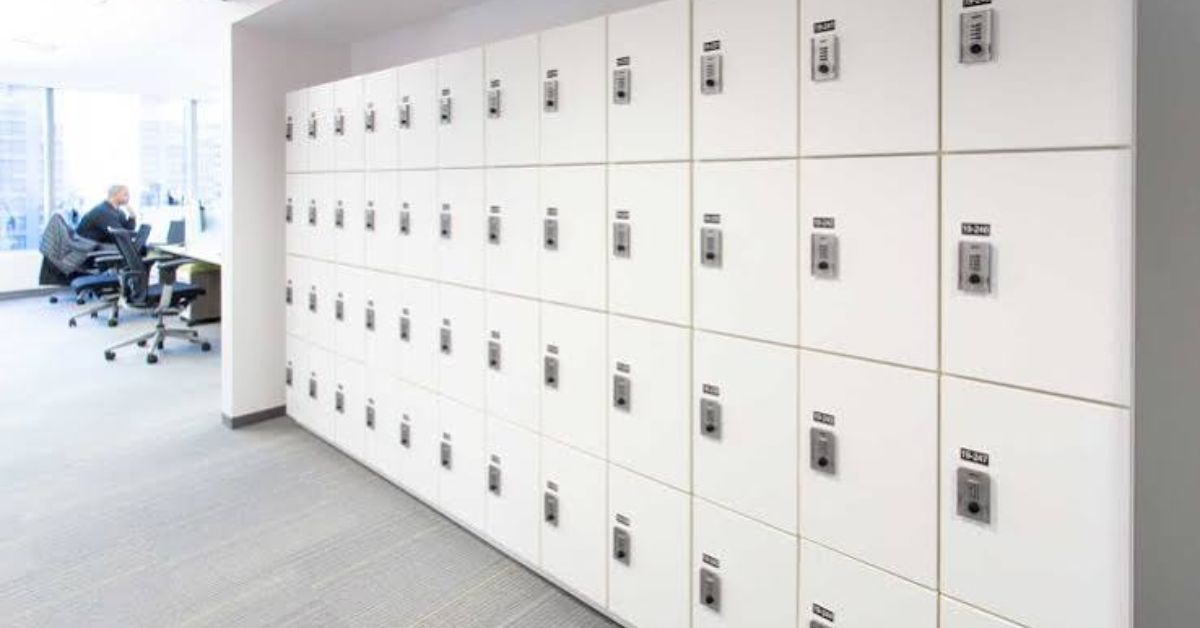
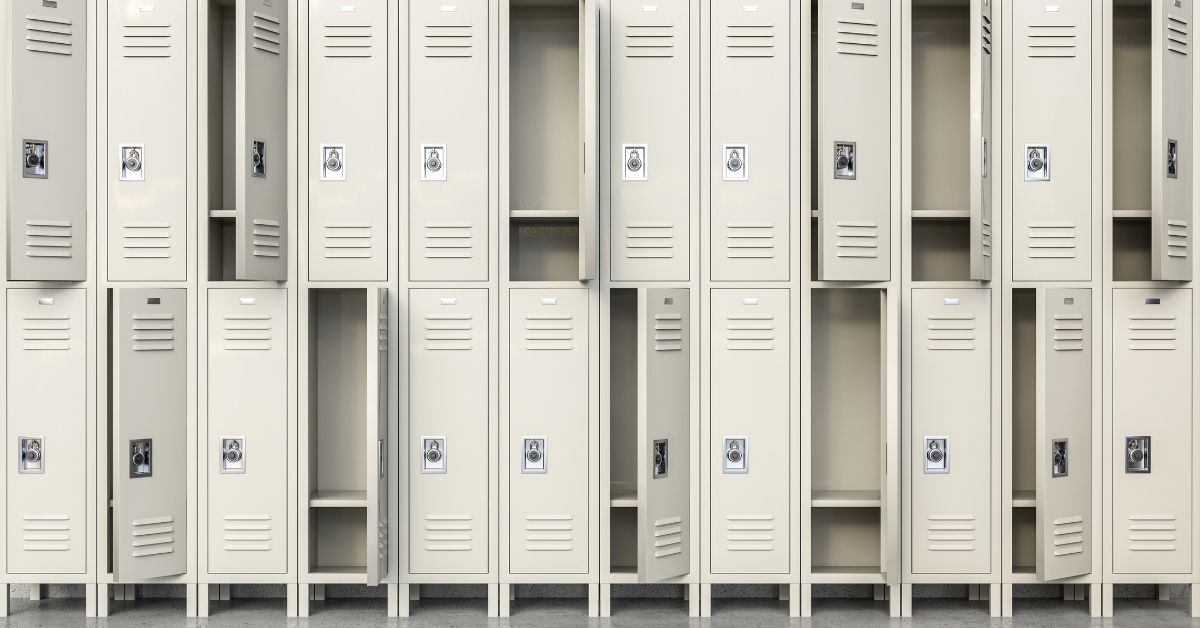
Tier configuration affects both capacity and comfort. Single tier lockers give each person one tall compartment, which is best for anyone who needs to hang clothing and store boots. Double-tier lockers split the same footprint into two smaller compartments, so each worker gets a shorter space but you fit twice as many people per linear foot. Triple-tier or box lockers are smaller still, and they suit items like phones, wallets, and small bags.
Many warehouses mix tiers. Floor staff who change into uniforms or work gear usually need single-tier lockers. Office staff, drivers, and visitors often do fine with double-tier or small compartments. A blended plan uses space efficiently without shortchanging the people who need room.
If you are planning a larger project, it can help to understand how bulk storage lockers for industrial facilities are typically configured. Seeing common layouts makes your own plan easier to sketch.
Locker size is only half the story. The room around the lockers matters just as much.
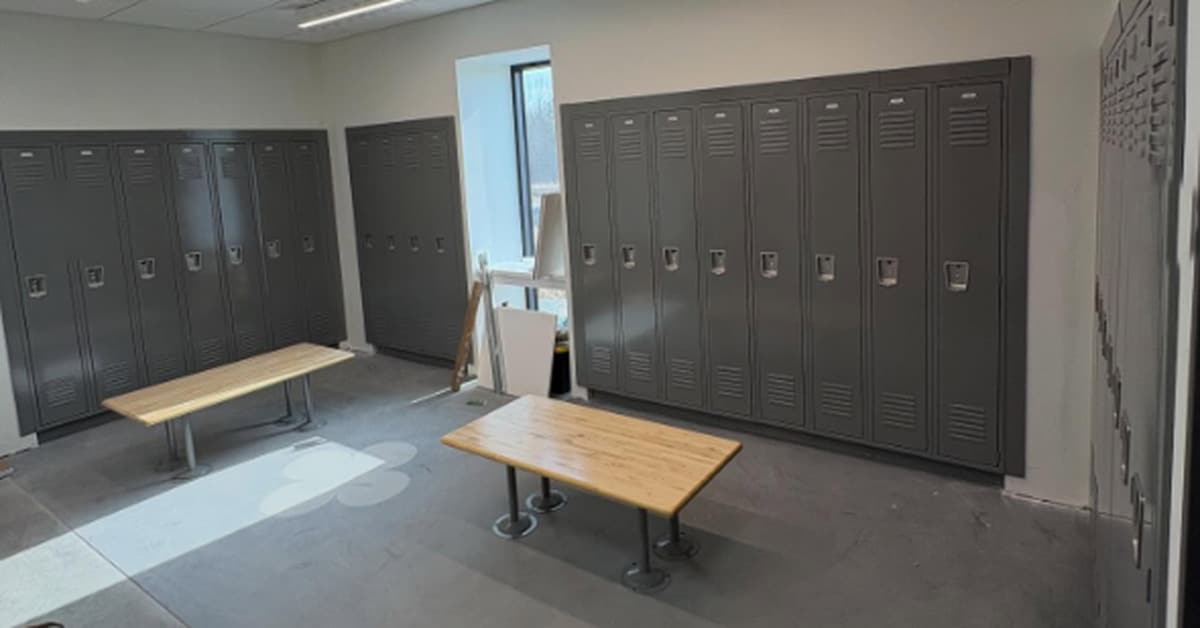
Leave enough aisle space for people to open doors and move without bumping into each other. Three to four feet between facing rows is a common starting point, and more is better at shift changes when many workers arrive at once. If benches sit between rows, add that width to your plan.
Keep lockers away from forklift paths, loading doors, and emergency exits. Check local fire and building codes for clearance around sprinklers, electrical panels, and exit routes before you finalize a layout. If part of your building serves as a changing area, ask whether accessibility rules apply to your project and plan reach heights accordingly.
Remember that warehouses have heavy traffic and hard floors. Lockers should be anchored securely, and a good installation plan prevents tipping and shifting. This guide on what to look for in a reliable locker installation company explains why the quality of the crew matters as much as the product.

Imagine a distribution center with ninety employees. Sixty work on the floor in two shifts, picking, packing, and driving forklifts. Ten are supervisors and office staff. Twenty are seasonal workers who join for the busy months.
Start with peak headcount. Add the ten percent buffer, and you land at about one hundred lockers.
Next, match sizes to roles. The sixty floor workers need single-tier lockers, eighteen inches wide and eighteen inches deep, to hold boots, work clothes, and a jacket. Forty others, including supervisors, office staff, and seasonal workers, can use double-tier lockers, twelve inches wide, which provide forty compartments from twenty columns.
Now check floor space. Sixty single-tier lockers at eighteen inches wide take up ninety feet of locker fronts, and twenty double-tier columns at twelve inches wide add twenty feet. That is about one hundred ten feet of linear space, plus aisles and benches. If that is too much for the room, you can use deeper banks arranged back to back, or share lockers across shifts for part of the staff.
A few features change how a locker performs and sometimes how big it needs to be. Ventilated doors let air circulate, which is useful when workers store damp or sweaty clothing. Sloped tops stop people from piling boxes on top. Interior hooks and shelves make a locker more useful, but they also reduce usable space, so check them against your list of items.
Locks matter too. Built-in combination locks, padlock hasps, and electronic options fit most standard sizes, but confirm that your model supports your choice. For how warehouse storage supports safety and compliance, see this overview of industrial warehouse lockers.
A few mistakes show up again and again. Ordering by total headcount instead of peak overlap leads to too many or too few lockers. Choosing width without measuring boots and coveralls crushes gear. Ignoring aisle width creates traffic jams, and forgetting growth forces awkward additions later.
Another common mistake is treating every employee the same. A single locker size for everyone rarely fits. A mix based on roles is almost always more efficient and more comfortable. If you are weighing larger units for gear-heavy roles, this article on how to maximize security with large lockers shows when oversized compartments make sense.
Once you have measurements, quantities, and a rough layout, share them with your supplier. Lockers Unlimited can review your plan, suggest adjustments, and confirm interior dimensions before you commit.
When you are ready to compare real options, browse the current range of new metal lockers and request a quote based on the numbers you gathered. If your project includes a broader storage upgrade, it may also help to read about choosing the right warehouse pallet racking system so the whole building works together.
The right size is not a mystery. Count peak headcount, measure what people carry, choose width, depth, and height with a little room to spare, mix tiers by role, and plan aisles that keep traffic moving. Do that, and your lockers will fit your people, your gear, and your floor plan for many years.
1. How deep should warehouse lockers be?
Fifteen inches suits light storage, while eighteen inches fits most boots and work gear. Choose twenty-one inches or more for heavy protective equipment or cold storage clothing.
2. How many lockers does a warehouse need?
Count peak headcount rather than total employees, then add five to ten percent. Shared lockers across non-overlapping shifts can reduce the total, while seasonal surges may increase it
3. Are double-tier lockers enough for warehouse workers?
Often yes for office staff, drivers, and visitors. Floor workers who store boots and coveralls usually need single-tier lockers with hanging space and enough depth for gear.
4. Do warehouse lockers need to be anchored?
Yes. Anchoring to the floor or wall prevents tipping and shifting in busy, high-traffic spaces. Professional installation also keeps doors aligned and helps meet safety expectations.
5. How much aisle space should I leave between locker rows?
Three to four feet between facing rows is a common starting point. Add more if benches sit between rows or if many workers change at the same time.