
The traditional office had a desk for every person and a filing cabinet for every team. Today, many offices look very different. People move between desks, work from home several days a week, ride bikes to work, and carry laptops everywhere. In that environment, office lockers have quietly become one of the most useful pieces of furniture in the building.
Here are eight practical ways modern workplaces use office lockers, along with tips for choosing the right style for each purpose. Use the list to spot opportunities in your own space.
When employees do not have a permanent desk, they still need somewhere to leave a jacket, a bag, a pair of shoes, and a few personal items. Lockers solve the problem neatly. People arrive, store their belongings, and sit wherever they like.
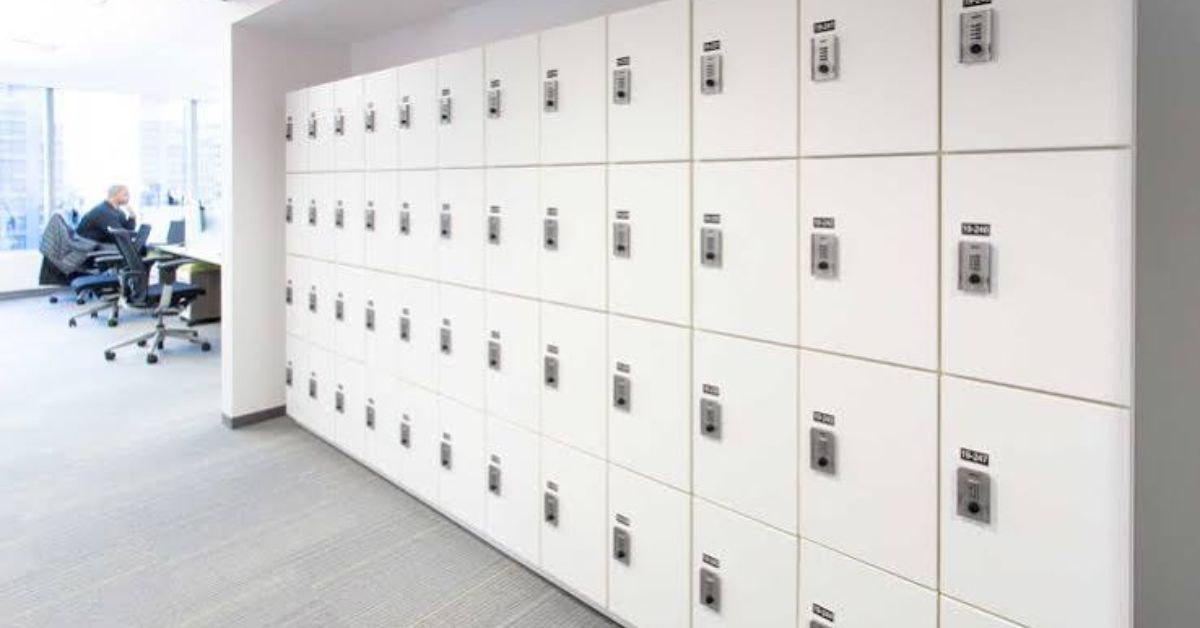
Slim, full-height lockers work well because they hold a coat and a bag without taking much floor space. Place them near the entrance or between work zones so people can drop items quickly. Many companies find that lockers make hot desking feel more comfortable, since employees keep a small personal base even without a fixed desk.
Cyclists, runners, and walkers often need a place to store helmets, shoes, and a change of clothes. Without lockers, those items end up under desks or in the hallway.
Provide a bank of larger lockers near the bike room or shower area. Choose ventilated doors so damp gear can dry, and add hooks for jackets and bags. Offering commuter storage supports wellness goals and makes sustainable transportation more attractive. It also keeps the office tidy, which everyone appreciates.
Many offices keep spare laptops, chargers, tablets, and headsets for visitors or hybrid staff. Instead of locking them in a cabinet that only one person can open, some offices use small lockers with individual doors.
Employees can check out a device, return it, and know where it lives. With electronic locks, access can be logged, which helps IT teams track equipment. Even without technology, labeled lockers reduce the time people spend hunting for chargers and adapters. For offices that run frequent training sessions or events, this simple setup saves real time.
Deliveries are a bigger part of office life than they used to be. Personal packages, supplies, and mail can clutter reception areas and create security questions.
A set of package lockers lets couriers drop items securely and lets employees pick them up on their own schedule. Reception staff spends less time managing parcels, and packages are less likely to go missing. Even a few small lockers near the front desk can make a noticeable difference in a busy building.
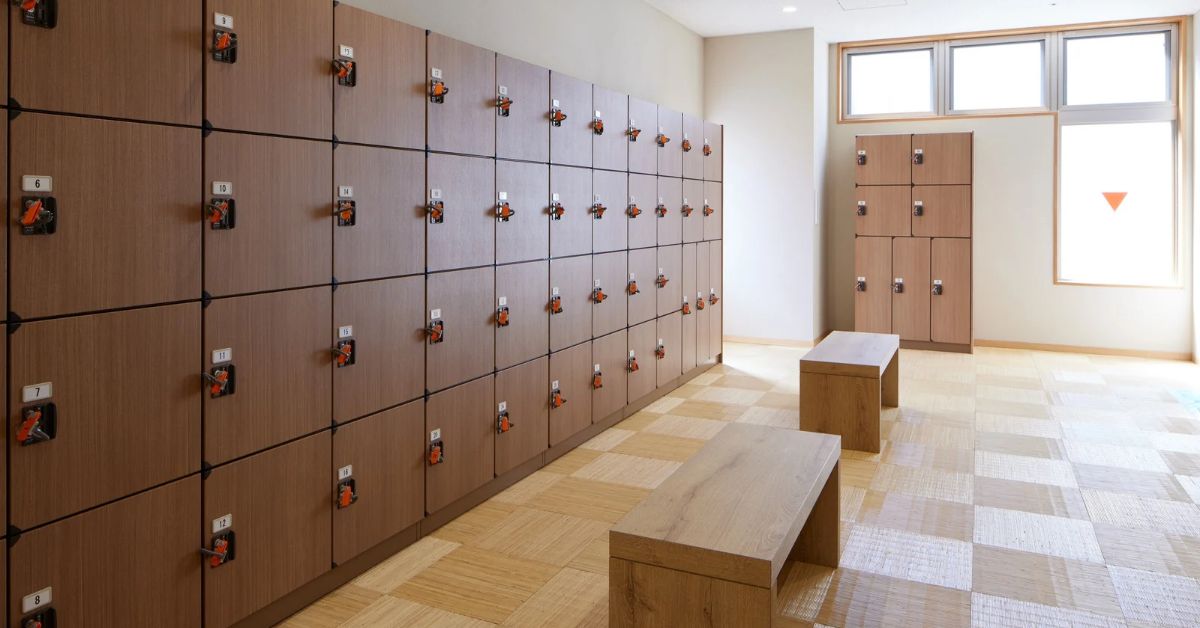
Employers that offer a fitness room, yoga space, or shower facilities need somewhere for people to put their belongings. Gym-style lockers fit well here, and they send a clear message that the company cares about employee wellbeing.
Choose durable units with good ventilation. If the space is near showers, consider materials that resist moisture. Pair lockers with benches and hooks so the area feels like a proper changing room rather than a closet. Employees are more likely to use wellness benefits when the logistics are easy.
Visitors often arrive with coats, bags, and sometimes equipment. Contractors and vendors may carry tools or samples. Without a place to store them, those items end up in meeting rooms or at reception.
A small bank of visitor lockers near the entrance keeps belongings secure and spaces clear. It also protects sensitive areas, since visitors can leave bags at the front rather than carrying them through the office. Simple signage and easy locks make the process quick, and guests appreciate the thoughtful touch.
Legal, finance, healthcare, and HR teams handle documents and devices that must not be left in the open. Lockers offer a flexible alternative to full cabinets, especially in shared or open plan areas.
Select lockers with strong frames and reliable locks, and consider options with built-in shelving to hold folders and laptops. For teams with greater security needs, electronic locks with audit trails can provide extra control. Executive teams may also want premium units, and this overview of top features to look for in executive lockers can guide those decisions.
Break rooms fill up quickly with lunch bags, water bottles, coats, and umbrellas. Lockers give each item a home and keep counters and chairs free. They also help with hygiene, since food and personal items stay separate from shared surfaces.
Customize lockers to suit your space. Color, size, and layout can transform a break room from cluttered to calm, and this guide to customizing break room lockers for your office shares useful ideas. If you are unsure whether lockers or cabinets fit best, this comparison of storage lockers versus cabinets will help you decide.
With so many uses, the right choice depends on what you want to accomplish. Start by listing which of the eight uses apply to your office. Then think about size, material, and security level for each one.
For personal storage, full height lockers work best. For equipment and packages, smaller compartments make sense. For wellness areas, choose durable, ventilated lockers. For visitor and confidential storage, prioritize lock quality and visibility.
Style matters in an office more than in a warehouse. Many companies choose colors that match brand palettes or interior design, and some select wood grain or laminate finishes for a softer look. Accessories can add value too, and this list of top locker accessories for offices highlights hooks, shelves, and inserts that make lockers more useful.
Finally, plan the layout. Place lockers where people naturally pass, but keep aisles clear and exits unobstructed. Measure carefully and ask your supplier to review the plan before you order.
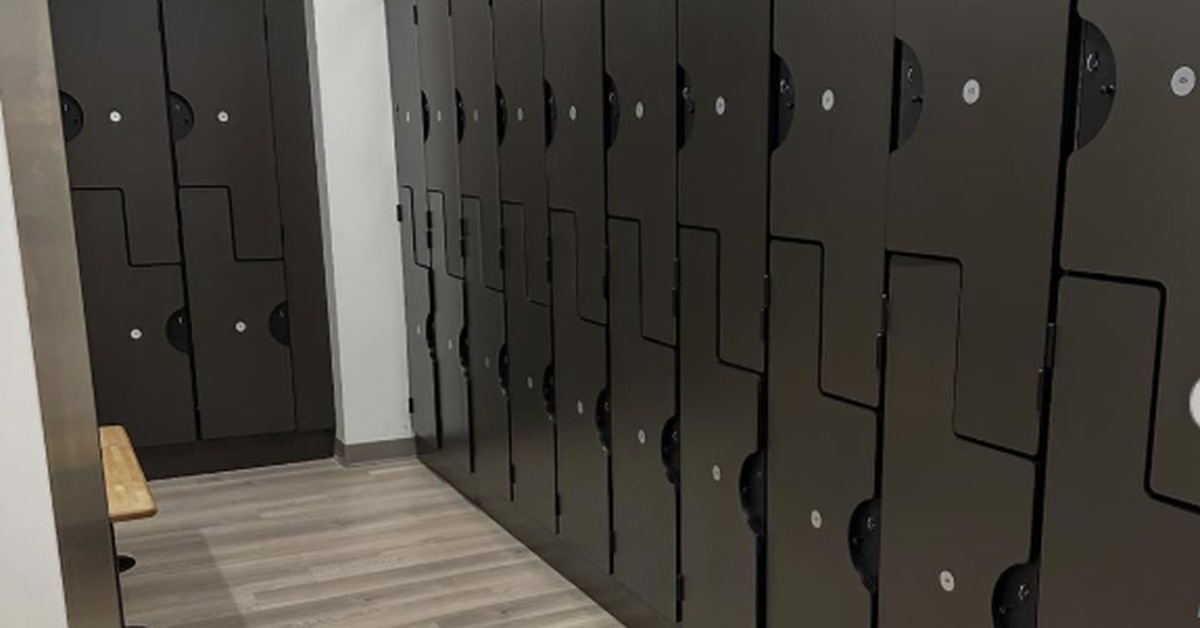
Companies that install lockers often find the benefits extend beyond storage. Desks stay cleaner, common areas feel calmer, and employees report that the space feels better organized. For a broader look at why lockers have become standard equipment, read these five reasons every workplace should invest in office lockers.
A supplier who understands offices will help you balance appearance, function, and budget. Lockers Unlimited works with businesses of all sizes to choose lockers that suit different uses within a single building.
When you are ready to explore options, browse the current range of office lockers and request a quote based on your floor plan.
Good locker projects start with a floor plan. Measure the space, mark doors, windows, outlets, and fire equipment, and sketch where each use case will live. Personal storage belongs near entrances, wellness lockers near showers, package lockers near reception, and equipment lockers near IT or the supply room.
Leave at least three feet of clear aisle in front of every locker bank, and more where people will queue. Count users for each purpose separately rather than guessing a single number. A building with eighty employees might need forty personal lockers, ten wellness lockers, and a handful of visitor and package units. Review the plan with facilities, IT, and HR before you order so nothing is overlooked.
Offices rarely have large furniture budgets, so phase purchases when needed. Begin with the use that solves the biggest daily frustration, often personal storage or package handling. Test one area for a month, collect feedback, and adjust before you expand.
Consider quality used lockers for back-of-house areas and new units in visible spaces. Announce changes ahead of time, label lockers clearly, and share simple rules about overnight storage and cleanouts. A brief email and a sign near each bank usually gives employees all the guidance they need. Revisit usage after a quarter to see which lockers are busy and which sit idle.
1. Why are office lockers popular in hybrid workplaces?
Hybrid employees do not have permanent desks, so lockers give them a secure place for belongings. They keep desks clear, support hot desking, and make shared offices more comfortable.
2. What size office lockers work best?
Full height lockers suit coats and bags, while smaller compartments fit laptops, packages, and personal items. Many offices use a mix based on how people actually use the space.
3. Can office lockers be customized to match decor?
Yes. Suppliers offer many colors, wood grain finishes, and laminate options. Matching lockers to your brand palette or interior design helps them blend in with a modern office.
4. Are electronic locks worth it for office lockers?
They are useful when lockers are shared or reassigned often. Electronic locks remove keys, allow remote management, and create audit trails, but cost more than simple mechanical locks
5. Where should office lockers be placed?
Put them where people naturally pass, such as near entrances, break rooms, or wellness areas. Keep aisles clear, avoid blocking exits, and leave enough space for doors to open fully.