

Shopping for for-sale lockers can feel like walking into a hardware store with no shopping list. There are steel columns and plastic cubbies, wood cabinets and mesh gear cages, vintage finds and keyless smart units. Every one of them is technically a locker, yet each solves a different problem.
This list walks through ten common types, explains what makes each one distinct, and points out the spaces where it performs best. Use it to narrow your options before you start requesting quotes.
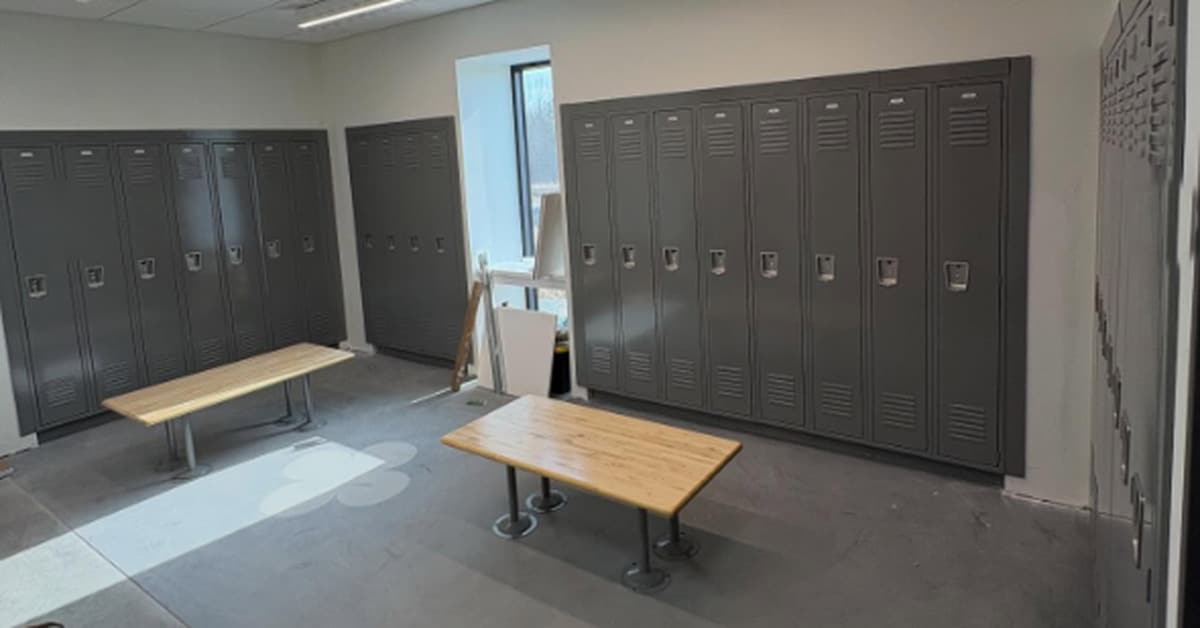
The classic. One tall compartment per person, usually sixty to seventy-two inches high, with a hanging rod, a shelf, and hooks inside. Steel single-tier lockers are the default choice for schools, factories, gyms, and workplaces because they balance capacity, cost, and durability.
Best for: employee changing areas, school hallways, team rooms, and any space where users store full-length coats, boots, or bulky gear.
Watch for: heavier gauge steel and welded frames if the lockers will see rough use.
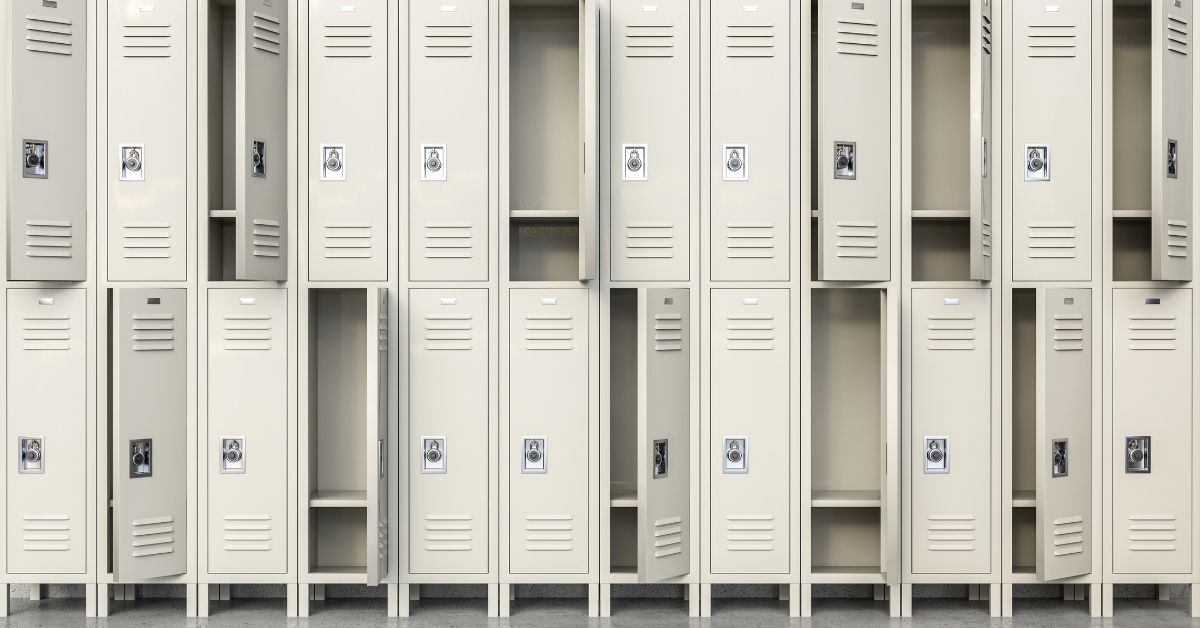
These stack two or three shorter compartments in the same footprint as a single-tier column. Each user gets a smaller space, but the room holds two or three times as many users per square foot.
Best for: schools with crowded hallways, gyms with day-use members, and offices where staff need only a bag and a jacket.
Watch for: reach height. The top compartment of a triple-tier unit may be too high for younger students or users with limited mobility.
Box lockers are small compartments, often arranged in a grid of six, nine, twelve, or more openings. Each door covers a space roughly the size of a large shoebox. They are efficient for storing phones, wallets, keys, and small bags.
Best for: pools, recreation centers, youth programs, libraries, and visitor storage near entrances.
Watch for: users who need to store larger items. If people arrive with backpacks or gym bags, box lockers will frustrate them.
Plastic lockers are made from molded polymer, typically high-density polyethylene. They never rust, resist moisture completely, and do not need repainting. They also close more quietly than metal doors.
Best for: pools, spas, locker rooms with showers, coastal facilities, and any damp environment. You can learn more about their strengths in this overview of the unique benefits of plastic lockers.
Watch for: lower impact resistance in cold conditions and fewer custom size options than steel.
Phenolic lockers are built from solid resin panels that are dense, waterproof, and highly resistant to graffiti and abuse. They are among the most durable lockers available, and they carry a higher price to match.
Best for: wet areas, high vandalism environments, and facilities that want a long service life with almost no maintenance. This buying guide to phenolic lockers explains how to evaluate them.
Watch for: budget. Phenolic is an investment, so make sure the environment justifies it.
Laminate lockers use a particleboard or composite core covered in a decorative laminate surface. They offer a wide range of colors and patterns, and they bring a warmer, more finished appearance than bare metal.
Best for: schools, sports centers, and dry locker rooms where appearance matters. This look at the benefits of laminate lockers for schools and sports centers covers typical applications.
Watch for: standing water. Laminate over a wood-based core can swell if it stays wet, so keep it out of pool areas.
Real wood lockers deliver a premium look that suits country clubs, executive suites, and upscale fitness clubs. Many suppliers also offer wood grain finishes over steel frames, which give a similar look with more durability. For a deeper dive, read about how to choose wood lockers for your space.
Best for: private clubs, executive locker rooms, boutiques, and high-visibility lobbies.
Watch for: humidity and cost. Solid wood needs a dry, stable environment and a larger budget.
Stadium lockers have no solid door. They provide a wide open cubicle with a shelf, hooks, and often a seat. Gear stays visible and airs out quickly, which athletes appreciate.
Best for: team rooms, college and professional style facilities, and any program where quick access matters more than privacy. See why stadium front lockers suit sports facilities for more detail.
Watch for: valuables. Pair stadium lockers with small secure compartments for phones and wallets.
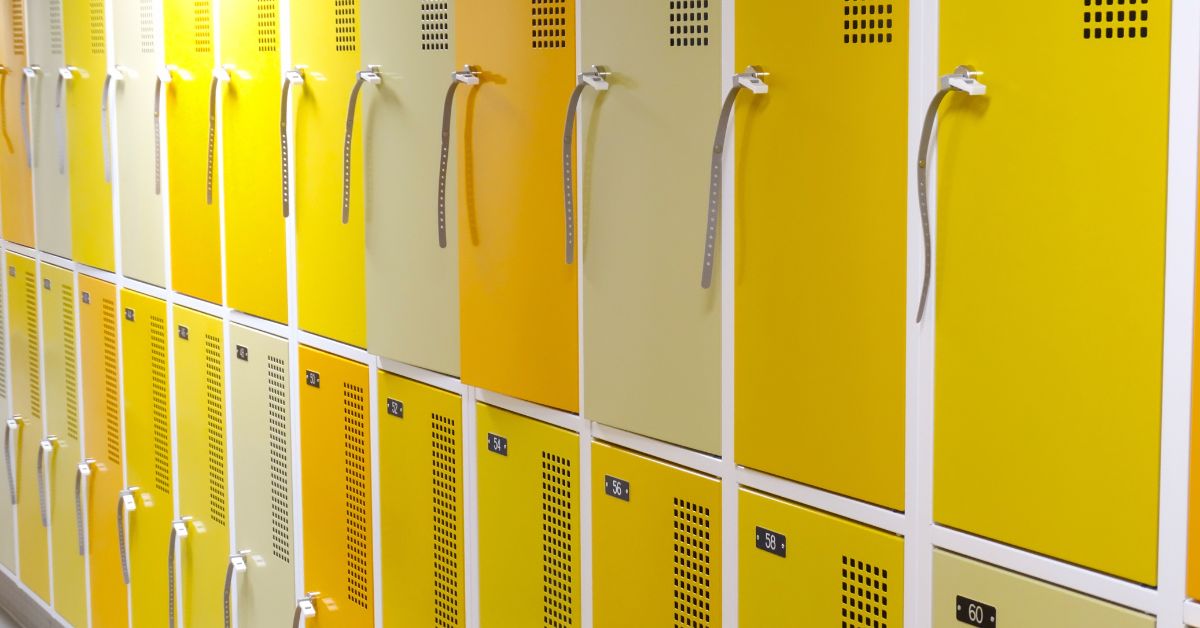
Vintage lockers are reclaimed units from old schools, factories, and gyms. They bring genuine character, with patina, numbered doors, and the unmistakable look of a different era.
Best for: restaurants, retail stores, offices, homes, and any space that wants a statement piece. This article on why vintage metal lockers are a unique addition to any space shows how people use them.
Watch for: condition and hardware. Vintage units may have missing locks or surface rust, so inspect carefully.
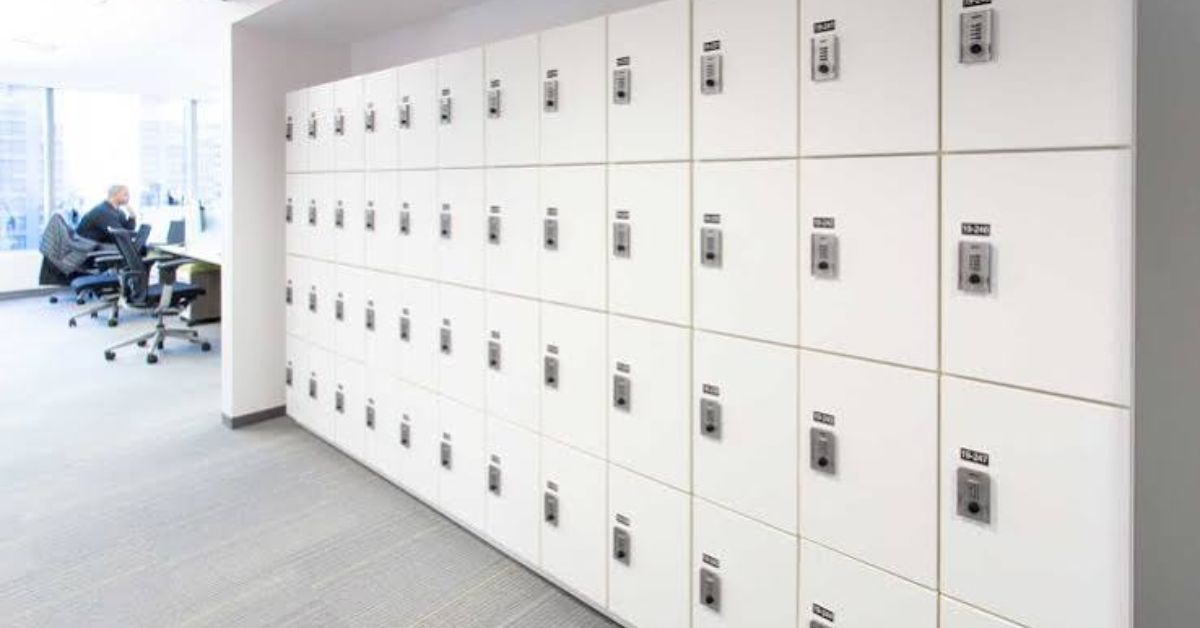
Smart lockers replace keys and combinations with codes, cards, or mobile apps. Administrators can assign, reassign, and audit lockers from a dashboard, and users never worry about lost keys.
Best for: offices with hybrid schedules, gyms with large memberships, universities, and facilities that want usage data. Explore smart locker solutions for gyms, schools and offices to see how they work.
Watch for: power and connectivity needs, as well as higher upfront cost.
Start with the environment. Wet areas point toward plastic or phenolic. Dry, high-traffic areas suit steel. Visible, brand-sensitive areas may justify wood or laminate. Next consider the user. Younger students need lower compartments, athletes need ventilation, and executives often want larger, more private storage.
Then add budget and timeline. Used and refurbished lockers can stretch a tight budget, while custom orders take longer. Most facilities end up with a mix of types, using the right locker in each room rather than forcing one style everywhere.
A knowledgeable supplier can help you match types to spaces without pushing a single product. Lockers Unlimited works with schools, gyms, clubs, and businesses to choose lockers that suit how each room is really used.
When you are ready to compare real options, browse the current selection of for-sale lockers and request a quote based on your layout.
Budget shapes the list as much as the environment does. At the entry level, single-tier and double-tier steel lockers, along with quality used units, deliver the most storage per dollar. In the middle tier, laminate, plastic, and box lockers add moisture resistance, color choice, or specialized capacity. At the premium end, phenolic, wood, stadium style, and smart lockers bring longer service lives, upscale looks, or advanced control.
A smart approach is to spend where the benefit is greatest. Put premium lockers in wet zones or highly visible rooms, and use economical steel in back-of-house areas. Ask your supplier for a mixed quote so you can see how the totals change when you vary types by room.
Before you commit to any of the ten types, ask when the lockers will arrive and who will place them. Stock sizes in common colors often ship quickly, while custom colors, special dimensions, and electronic systems can take longer. Confirm whether the quote includes freight, unloading, assembly, and anchoring, since these costs vary widely.
Ask whether replacement parts, extra doors, and matching units will be available later. A locker line that is discontinued in three years makes future expansion difficult. Finally, ask about warranty coverage and what voids it, such as improper anchoring or exposure to conditions the product was not designed for. A few direct questions now prevent surprises after the delivery truck arrives.
There is no single best locker, only the best locker for a given space. Know the ten types, match them to your environment and users, and you will make a confident purchase that serves your facility well for years.
1. What is the most common type of locker for sale?
Single-tier steel lockers are the most common. They fit schools, gyms, factories, and offices, and they offer a dependable balance of price, capacity, and durability for everyday use.
2. Which for-sale lockers are best for wet areas?
Plastic and phenolic lockers handle moisture best. They resist rust and swelling, which makes them ideal for pools, spas, shower rooms, and coastal facilities with constant humidity.
3. Are wood lockers worth the extra cost?
For upscale clubs, executive spaces, and brand-focused lobbies, yes. Wood grain finishes over steel frames offer a similar look with better durability and lower maintenance than solid wood.
4. Can I mix different locker types in one facility?
Yes, and many facilities do. Use plastic near water, steel in dry hallways, and premium finishes in visible areas so each room gets the best fit.
5. What are smart lockers and who should buy them?
Smart lockers use codes, cards, or apps instead of keys. Offices with hybrid schedules, large gyms, and universities benefit most because administrators can assign and audit lockers remotely.