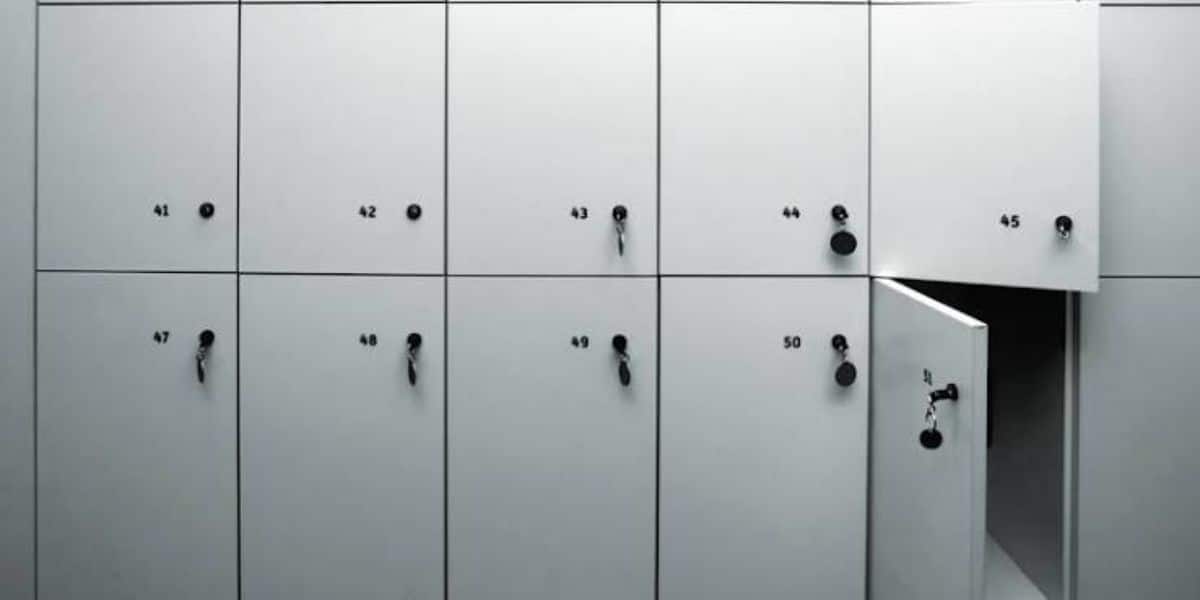
Walk into any high-end gym, aquatic center, or spa locker room, and you’ll notice something different about the lockers. They’re not metal. They’re not hollow plastic. They have a solid, almost furniture-like feel – smooth surfaces, clean edges, and zero rust in sight. What you’re looking at are phenolic lockers, and they’ve become the go-to choice for any facility that deals with serious moisture. If you’re planning a locker room upgrade or building a new facility, understanding what makes phenolic the right call could save you years of maintenance headaches.
Phenolic lockers are built from high-pressure laminate (HPL) panels – layers of resin-impregnated kraft paper bonded under intense heat and pressure. The result is a panel that’s extremely dense, non-porous, and completely resistant to water absorption. Unlike steel lockers, which can rust within a year in a chlorine-heavy pool environment, or standard plastic units that warp under prolonged humidity, phenolic panels simply don’t react to moisture the way other materials do.
This is why aquatic centers, natatoriums, and commercial pools almost exclusively turn to phenolic for their changing rooms. Chlorine vapors, standing water on the floor, towels dripping everywhere – none of that fazes a properly installed phenolic locker. The core material stays dimensionally stable even after years of daily exposure.
If you want a proper breakdown of the specs and configurations available, the complete buying guide for phenolic lockers covers material grades, sizing options, and what to watch for when comparing suppliers.
Gyms are demanding environments. Members sweat, bring in wet gear, and expect locker rooms that look clean and professional even after thousands of uses. Here’s where phenolic lockers consistently outperform the competition:
Corrosion resistance. There are no metal components on the locker body itself – no exposed steel that can rust when someone tosses a wet towel inside or leaves the door open in a steamy changing room. Even the hardware is typically stainless steel or solid polymer to match the corrosion-free design.
Hygienic surface. The non-porous surface doesn’t harbor bacteria or mold the way porous materials can. For a gym operating under health codes, that’s not just a nice-to-have – it’s a liability concern. A quick wipe-down with standard cleaning agents is all that’s needed to keep surfaces sanitary.
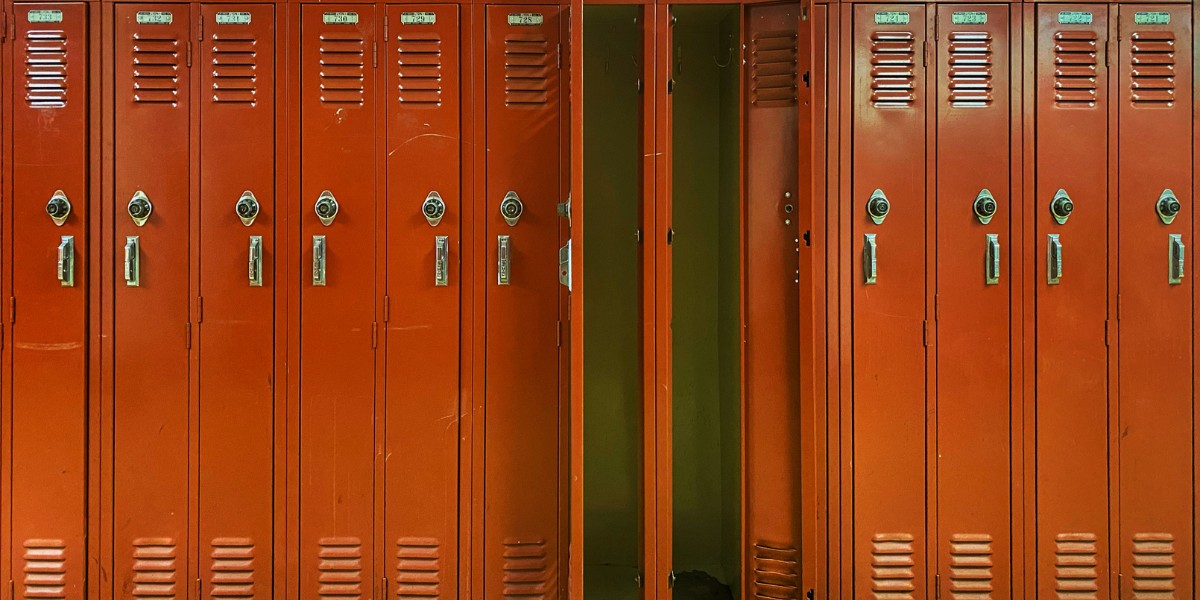
Visual longevity. Metal lockers dent. Standard plastic lockers scratch and fade. Phenolic panels hold their color and texture for years, which matters a lot when members are forming their first impression of your facility. You can also find them in a wide range of colors and wood-grain finishes, so they can actually look like part of a well-designed space rather than an afterthought.
If you’re comparing options for fitness facilities specifically, browsing gym lockers for sale can help you see what’s available at different price points and how phenolic compares to metal or laminate alternatives side by side.
The pool locker room is arguably the harshest environment any storage product will ever face. Constant humidity, chlorine in the air, wet tile floors, people dripping as they walk in – the conditions are basically designed to destroy most materials. Steel corrodes. MDF-core lockers swell and delaminate. Even some plastics become brittle over time when exposed to pool chemicals.
Phenolic holds up because the HPL panels have virtually no moisture absorption. A typical phenolic locker will absorb less than 1% of its weight in water even after extended immersion – a standard that most other locker materials can’t come close to matching. The edges are often treated with a matching solid-color ABS edge banding or HPL edge wrapping, which seals the panel completely and prevents any water from wicking into the core.
This longevity also ties into sustainability. When a product lasts 15–20 years instead of 5–7, you’re not throwing away materials and sending waste to landfill on a regular replacement cycle. There’s a real environmental argument for choosing durable, long-lived materials in institutional settings, and it’s worth reading up on sustainable locker solutions if that’s a factor in your procurement decisions.
Not all phenolic lockers are the same, and the right configuration depends heavily on your facility’s footprint and the way members actually use the space.
Single-tier vs. multi-tier. Single-tier lockers run floor to ceiling and give each user a full-height compartment – great for swim bags, jackets, and full-length gear. Multi-tier configurations (two, three, or four tiers) pack more users into less floor space, which suits high-volume gyms where individual storage needs are lighter.
Locker depth. Standard depth is around 18 inches. For athletic lockers where members store helmets, sports bags, or larger equipment, 21-inch deep units are often the better call. Shallower units (12 to 15 inches) work for day-use spa or pool locker rooms where guests just need to store a change of clothes and a few personal items.
Locking mechanisms. Phenolic lockers can be fitted with key locks, combination locks, RFID card readers, or even smartphone-integrated digital locking systems. For public pools and gyms where day-use lockers are common, coin-return or coin-retain locks are practical. For member-assigned lockers, keyed or combination systems are more typical.
Bench integration. A complete locker room design usually pairs lockers with matching benches. The bench material and height should complement the locker finish, and ADA compliance may require specific aisle widths and bench heights for accessibility. If you’re planning a full room layout, reviewing locker room design for gyms can walk you through the spatial and ergonomic considerations.
Phenolic lockers are heavier than steel or standard plastic units because of the dense panel construction. That means installation requires proper anchoring to wall studs or a floor-mounted base frame, and the structural integrity of the floor and wall surfaces needs to be assessed beforehand – especially in older buildings.
Once installed, maintenance is refreshingly straightforward. The surface resists staining, so most cleaning protocols involve nothing more than a damp cloth and a mild disinfectant. Avoid abrasive cleaners that could dull the surface finish, and inspect hinges and lock mechanisms annually to catch any wear before it becomes a functional problem.
Security is worth thinking about beyond just the lock itself. The panel construction of phenolic lockers makes them genuinely difficult to force open compared to thin-gauge steel units, and understanding what makes any locker truly secure – materials, frame construction, locking mechanism strength – is covered in more detail in this resource on locker security features.
Phenolic lockers cost more upfront than steel or standard plastic – typically 30–60% more per unit depending on configuration, finish, and hardware choices. But the total cost of ownership picture changes considerably when you factor in lifespan and maintenance. A steel locker in a pool environment might need replacement or significant refurbishment within 5–7 years. A quality phenolic locker in the same environment, properly installed and maintained, can realistically serve 15–25 years.
Lockers Unlimited offers a range of phenolic configurations suitable for gyms, pools, spas, and recreational facilities, with options for custom sizing, finish matching, and full installation support.
The math usually works in phenolic’s favor for any serious facility – and the aesthetic difference in how your locker room looks and feels to members is hard to put a number on.
Phenolic panels are completely non-porous and contain no metal in the locker body, so they cannot rust or corrode regardless of how much moisture they’re exposed to. Steel lockers in chlorinated or humid environments typically show rust within a few years, while phenolic installations routinely last 15–25 years with minimal maintenance.
They can tolerate significant moisture and humidity, but prolonged direct UV exposure can fade the surface finish over time. Most manufacturers recommend phenolic lockers for indoor wet environments – pools, gyms, spas – rather than fully outdoor installations. If outdoor use is needed, look for UV-stabilized HPL grades or provide adequate shelter.
Day-to-day cleaning is simple – a damp cloth and a standard non-abrasive disinfectant is all you need. Avoid harsh solvents or abrasive pads that can scratch the surface. Hardware should be inspected and lubricated annually, and any worn lock components should be replaced promptly to maintain security.
Yes. High-pressure laminate is available in a broad range of solid colors, wood-grain patterns, and textured finishes. Most suppliers can also match custom color specifications for facilities that want the locker room to align with specific branding or interior design requirements.
Phenolic lockers can accommodate virtually any locking system – traditional padlock hasps, built-in key locks, combination dials, coin-return systems, RFID card readers, and smart lock technology. Day-use facilities like public pools often prefer coin-return systems for convenience, while private gyms with assigned lockers typically use key or combination locks.
The upfront cost is higher – roughly 30–60% more than comparable steel units depending on specs. However, the significantly longer lifespan in wet or humid environments means the total cost over a 15–20 year period is often lower than replacing cheaper lockers every 5–7 years. For facilities where moisture resistance is critical, the investment is generally well justified.