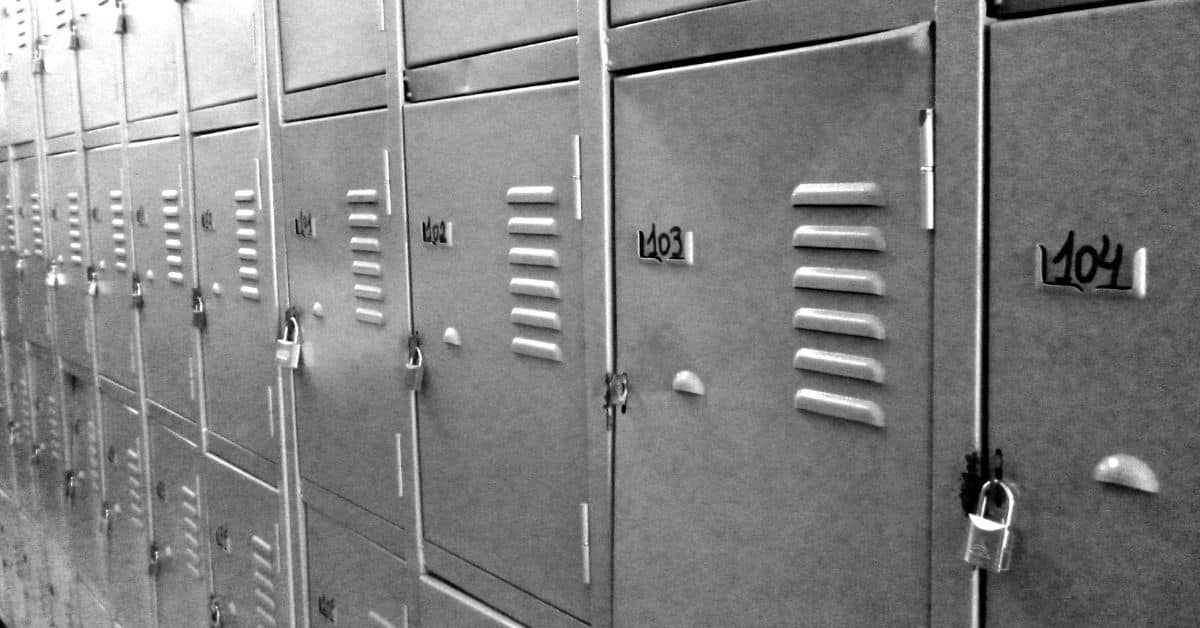
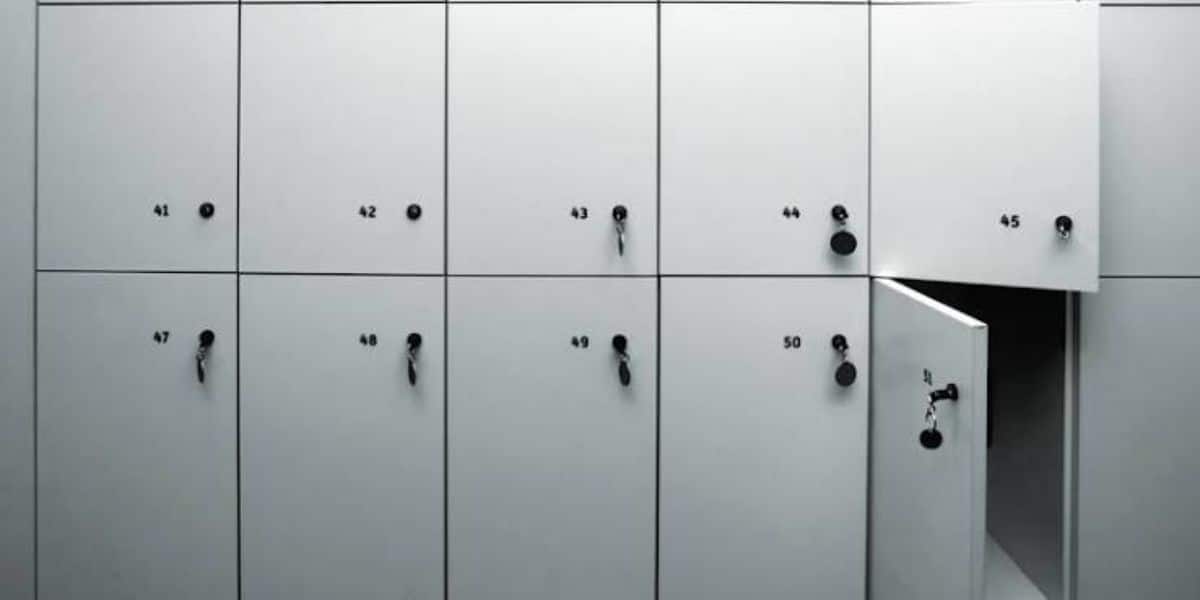
Not every facility needs brand new lockers to get a functional, good-looking storage solution. Schools stretching a tight budget, gyms furnishing a new location, and businesses outfitting a break room all turn to the secondhand market for a reason: quality secondhand lockers for sale can offer most of the durability of new units at a fraction of the cost. The trick is knowing where to look and what separates a genuinely good deal from a locker that’s already on its last legs.
Finding good secondhand lockers for sale usually starts with a supplier who specializes in this market rather than a general classified listing. Specialized dealers typically inspect and grade their inventory, which means you know roughly what condition to expect before anything shows up at your door. School and gym closures, corporate relocations, and facility upgrades all feed a steady supply of quality used units into this market.
It’s worth asking any supplier how they source their inventory and whether they offer any kind of condition guarantee. A dealer who can answer clearly and back up their claims with photos or an inspection report is generally a safer bet than one who can’t tell you where the lockers came from.
Local suppliers offer one advantage that’s easy to overlook: the option to view inventory in person before committing to a purchase. Seeing a locker’s actual condition, rather than relying on a photo taken under good lighting, can reveal small details like surface rust or a slightly bent door that might not show up online. For facilities buying in bulk, this kind of hands-on check is often worth the extra time it takes.
Before committing to a purchase, it’s worth doing your own quick inspection of any used lockers for sale you’re considering. Check hinges and latches for smooth operation, since a sticking door becomes a daily annoyance fast. Look closely at the interior and base for rust, which often signals moisture damage that can spread and weaken the whole unit over time.
Doors and vents deserve a close look too, since dents in these areas are common but can affect how well the locker closes and ventilates. Asking for photos of the actual units you’d be purchasing, rather than stock images, helps you avoid an unpleasant surprise when the shipment arrives.
Some suppliers offer refurbished lockers that have gone through a cleaning, repair, and repaint process before resale, which puts them somewhere between a raw used unit and a brand new one in both price and condition. This option often makes sense for facilities that want a more consistent look across a full room, since refurbished units are typically matched in color and finish.
Untouched used lockers cost less but may show more visible wear, mismatched colors, or minor cosmetic damage that doesn’t affect function but might bother a design-conscious buyer. Knowing which option fits your budget and appearance goals ahead of time makes the shopping process faster and less frustrating.
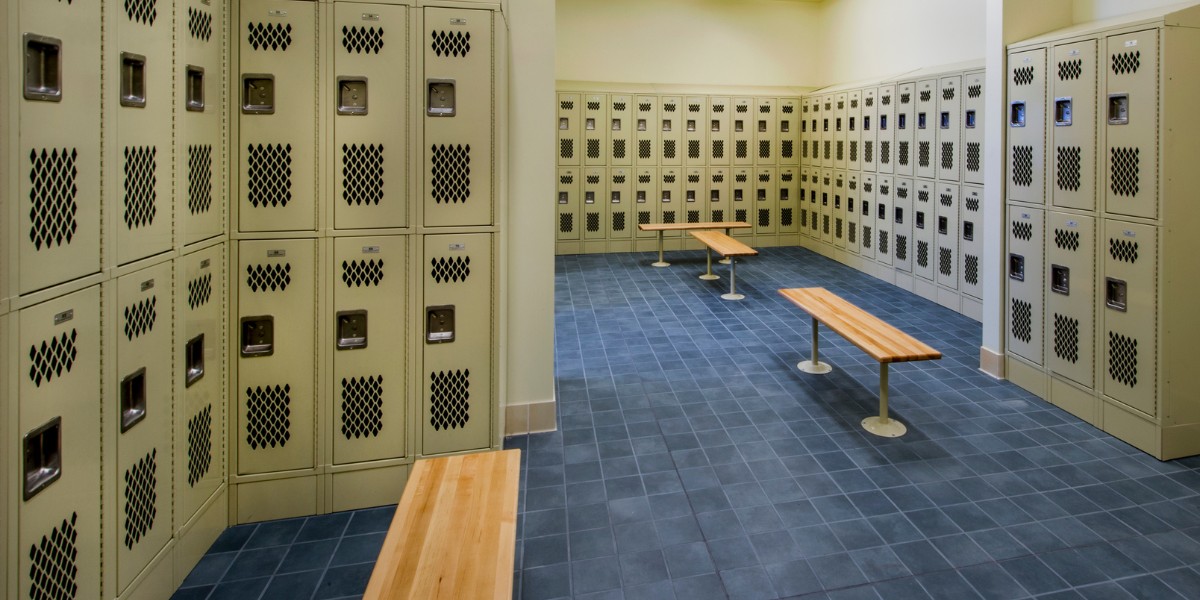
Budget is the obvious reason facilities turn to the secondhand market, but it’s not the only one. Schools and nonprofits often stretch limited funds further by furnishing an entire room with quality used lockers instead of a handful of new ones. Facilities needing lockers quickly also benefit, since used inventory is typically ready to ship, while custom new orders can take weeks to manufacture.
Sustainability plays a role too. Extending the life of existing steel lockers keeps them out of landfills longer and reduces the demand for new raw materials. For facility managers balancing budget, timeline, and environmental goals, secondhand lockers often check every box at once.
Flexibility matters as well, especially for growing organizations that aren’t sure what their space will look like in five years. Committing a smaller budget to secondhand units now, rather than a large sum to a custom new order, leaves more room to adjust plans later without feeling locked into a decision made under time pressure.
Once you’ve found a supplier you trust, a few habits help you get the best value. Buying in bulk from a single source usually reduces per-unit cost and ensures a more consistent look across your space. Asking about delivery and any available installation support at the same time saves you from coordinating multiple vendors for one project.
Lockers Unlimited works with schools, gyms, and businesses looking for quality used inventory backed by an honest condition assessment, rather than a guessing game. Getting clear answers about condition, sizing, and delivery timelines upfront turns a secondhand purchase from a gamble into a straightforward, budget-friendly decision.
A few direct questions can save you from a disappointing delivery. Ask how the supplier grades their inventory, whether that’s a simple pass or fail check or a more detailed condition scale with categories like excellent, good, and fair. Ask whether pricing includes delivery, or whether that’s a separate line item that could change your total budget significantly once it’s added in.
It’s also worth asking about minimum order quantities and whether mismatched colors or sizes can be combined in a single order without extra fees. Some facilities are fine mixing a few different shades of gray steel across a room, while others need a closer color match and should ask specifically about that option upfront. Finally, ask what happens if a unit arrives damaged or doesn’t match what was described. A supplier with a clear, reasonable return or exchange policy signals confidence in their own inventory, while one who avoids the question is worth a second look before you commit to a large order.
Taking the time to ask these questions upfront, rather than after a truck full of lockers has already arrived, is what separates a smooth secondhand purchase from a stressful one. Most reputable suppliers welcome these questions, since it helps them match you with the right inventory the first time rather than dealing with a return later.
Buying secondhand doesn’t mean settling for less. With the right supplier and a bit of careful checking, you can furnish an entire locker room with units that look great and hold up for years, all while spending a fraction of what new lockers would cost. Knowing what to look for is really the only difference between a great deal and a costly mistake.