
A locker room is one of those spaces people notice only when it works badly. Cramped rows, mismatched hardware, and benches bolted in the wrong spot turn a simple daily routine into a small daily frustration. A custom locker setup fixes that by matching size, material, and color to the actual room instead of forcing the room to fit a standard catalog size. Pair that with a thoughtfully planned bench locker room layout, and you get a space that feels intentional rather than leftover.
This guide covers what goes into planning a custom locker order, why the bench layout deserves just as much attention as the lockers themselves, and how to avoid the most common design mistakes.
Whether the project is a school renovation, a new fitness facility, or an office refresh, the same core question applies: does the room fit the people who use it, or are the people squeezing themselves into a room built for someone else’s floor plan? Custom design flips that relationship, and the payoff shows up every single day the space gets used.
Standard lockers come in a handful of preset sizes and colors, which works fine for a generic hallway. A custom locker order lets you choose dimensions that actually match your room, colors that match your branding or school colors, and finishes suited to the environment, whether that means moisture-resistant laminate near a pool or ventilated steel in a busy gym. Custom orders also open up door styles, number plate placement, and even mixed tier configurations within the same run of units.
The tradeoff is lead time. Custom runs take longer to manufacture than pulling standard units off a shelf, so factor that into your project timeline early rather than discovering the gap a month before opening day.
Benches get treated as an afterthought far too often, added wherever there happens to be open floor space once the lockers are in. A better approach follows the same bench locker room planning principles at the same stage as locker planning, not after. People need somewhere to sit while changing shoes, tying laces, or just catching their breath, and a bench positioned too close to locker doors creates a bottleneck every single time two people use the row at once.
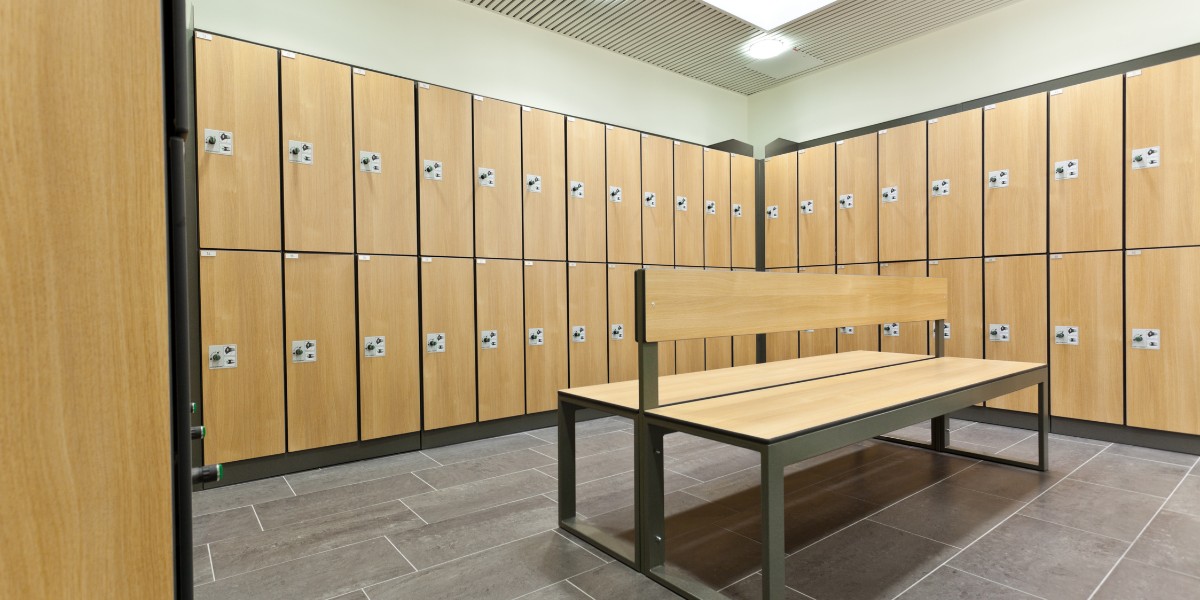
When choosing benches for high-traffic gyms, freestanding benches with pedestal legs work well in rooms that might get reconfigured later, since they can be moved without tools. Wall-mounted benches free up floor space entirely and suit smaller rooms where every square foot counts. Whichever style fits your space, leave enough clearance in front of each bench for a locker door to swing fully open without anyone needing to squeeze past.
A custom locker looks great on day one no matter what it is made from. The material choice shows itself two years later, after thousands of open and close cycles and constant exposure to humidity, bags, and the occasional slammed door. Steel remains the workhorse for schools and athletic facilities because it takes abuse well and is simple to repair. Phenolic panels resist moisture better than almost anything else, which makes them a strong pick for pool areas and coastal facilities. Wood tone laminate finishes give a more upscale look for country clubs, spas, and executive locker rooms without sacrificing much durability.
Bench tops face similar wear, so match the bench material to the locker material rather than picking whatever looks nice in a showroom photo. A hardwood bench top next to phenolic lockers in a wet pool environment will warp far faster than a phenolic or solid plastic bench top designed for the same conditions.
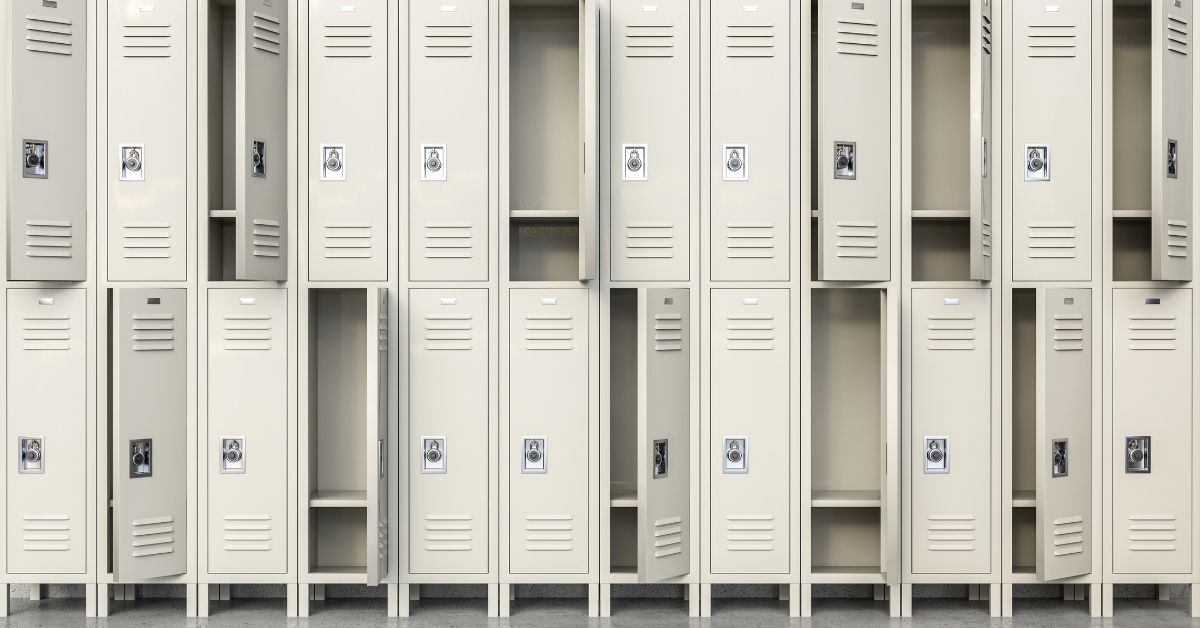
Ventilation is another material consideration people overlook until odor becomes a problem. Perforated or louvered doors let air circulate through the locker interior, which matters far more in athletic facilities than in an office break room. If the custom order allows for it, choosing ventilated doors for wet gear areas and solid doors for personal belongings storage gives each part of the room the right treatment instead of a single blanket solution.
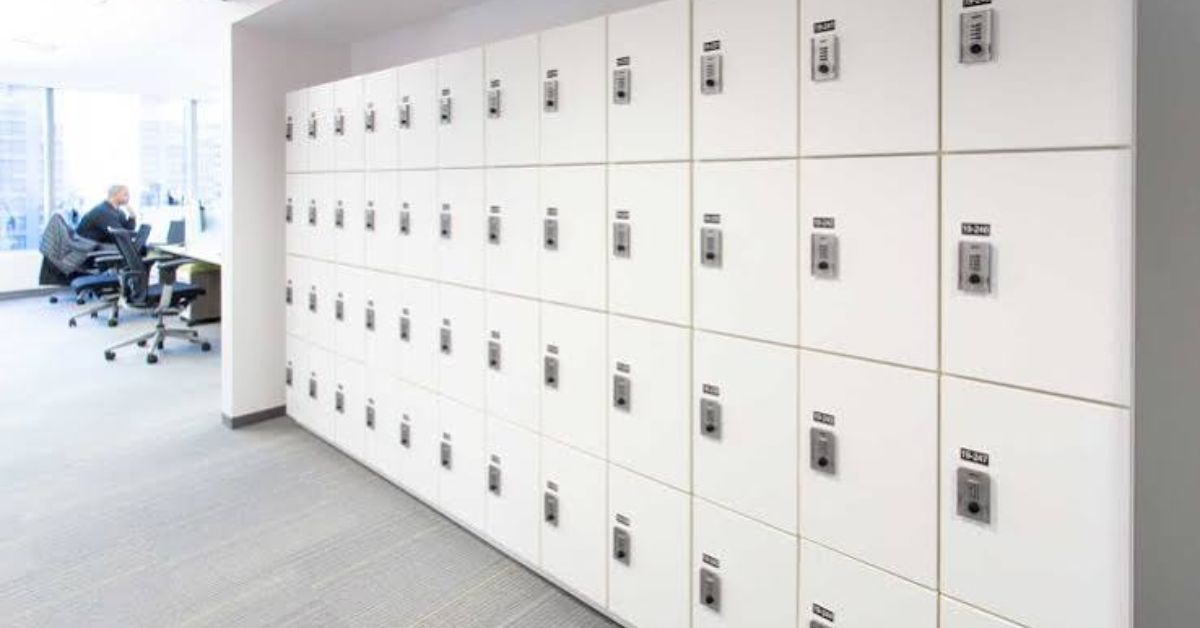
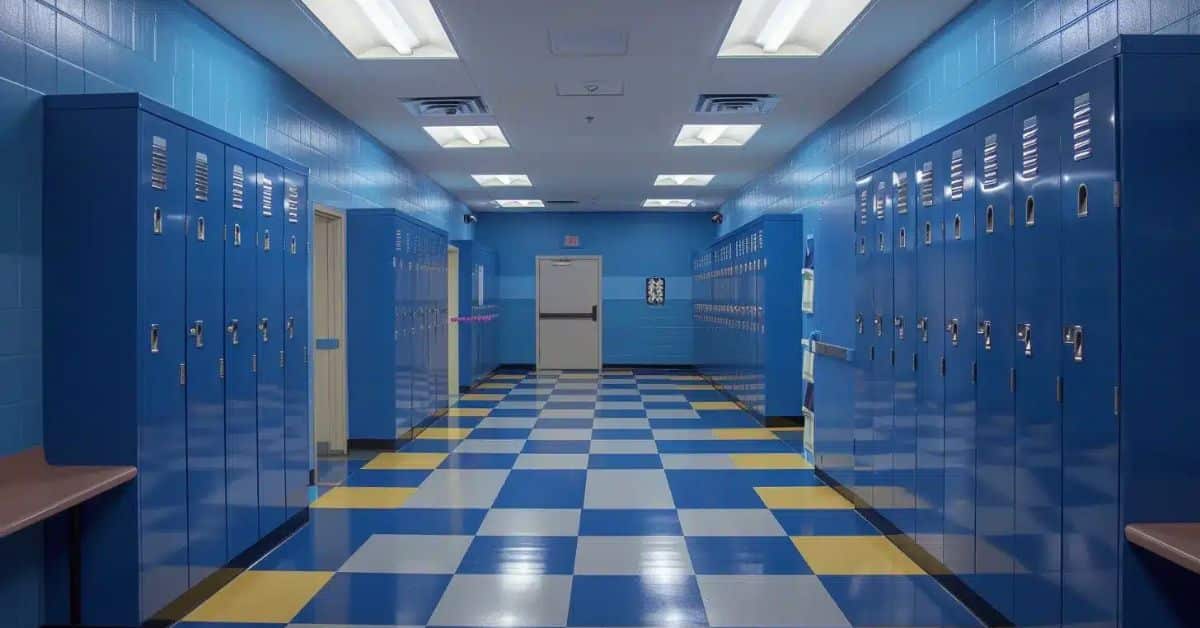
Custom locker orders open the door to color choices that standard catalog units simply do not offer. Athletic facilities often use two-tone doors in team colors, while offices lean toward neutral tones that blend into the surrounding decor. Color is not purely cosmetic either. Lighter tones make a windowless locker room feel less closed in, while contrasting number plates make it easier for users to find their assigned unit quickly in a busy row.
Layout matters as much as color. Angling rows slightly instead of running everything in a strict grid can improve sightlines and make a room feel less like a warehouse aisle, particularly in spaces meant for members rather than just staff.
The most frequent mistake is measuring the room but forgetting about door swing and ventilation clearance, which quietly eats into the usable footprint once lockers are installed. Another common issue is choosing a lock style based on price alone rather than how the room actually gets used, which leads to slow, frustrating access in high-traffic spaces like team locker rooms.
Skipping a sample unit is another costly shortcut. Photos and spec sheets do not tell you how a door actually feels when it closes or how a bench top handles a quick wipe down after use. Requesting one sample locker and one bench section before committing to a full custom order catches problems while they are still cheap to fix.
Finally, some projects rush the lock decision after spending weeks on color and layout. A locker room that looks great but uses a lock style mismatched to daily traffic will frustrate users within the first month. Walk through a typical morning or after-school rush mentally, or better yet watch one in person, before finalizing which lock goes on every door.
Understanding what makes custom lockers a better choice for your facility starts with the supplier conversation. A good supplier will ask about your space before pushing a catalog at you. Bring room dimensions, photos of the existing space if there is one, and a rough idea of daily user count. From there, a supplier can recommend tier configurations, bench placement, and lock types suited to how the room will actually be used rather than a generic recommendation pulled from a brochure.
It also helps to ask how the supplier handles future changes. Facilities grow, teams change colors, and a room built for forty users today might need to handle sixty in a few years. A supplier who can add matching units later, using the same finish and hardware as the original order, saves you from a mismatched patchwork locker room down the road.
Lockers Unlimited helps gyms, schools, and businesses plan custom locker and bench layouts around the room they actually have, not a one-size-fits-all floor plan.
Getting a locker room right comes down to treating the lockers and the benches as one connected system rather than two separate purchases. Plan both together, choose materials suited to how the room gets used, and the space will hold up long after the newness wears off.
How much longer does a custom locker order take compared to standard sizes?
Custom runs typically add several weeks to a couple of months to the timeline, depending on complexity and supplier backlog. Building that extra time into your project schedule avoids a last-minute scramble before opening day.
What is the best bench style for a bench locker room with limited floor space?
Wall-mounted benches work well in tight spaces since they free up floor area entirely. Freestanding pedestal benches suit rooms that may need reconfiguring later since they can be relocated without tools.
Can locker color and bench material be customized separately?
Yes, most suppliers let you choose locker color and bench material independently, though matching them to the room’s moisture level and overall look usually gives the best long-term result.
Do custom lockers cost significantly more than standard sizes?
Custom orders typically cost more than off-the-shelf sizes, though the gap narrows on larger orders. The added upfront cost often pays off through better space use and fewer wasted units.
What clearance should I leave in front of benches near lockers?
Leave enough room for a locker door to fully open plus space for a person to stand comfortably while dressing. Cramped bench placement is one of the most common complaints in finished locker rooms.