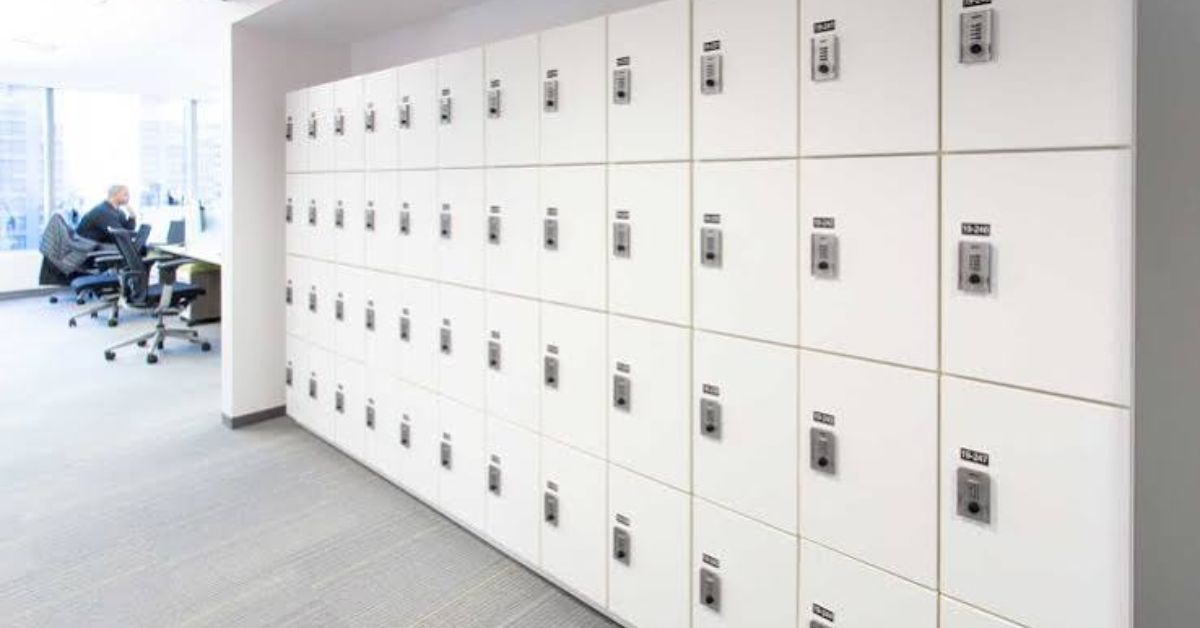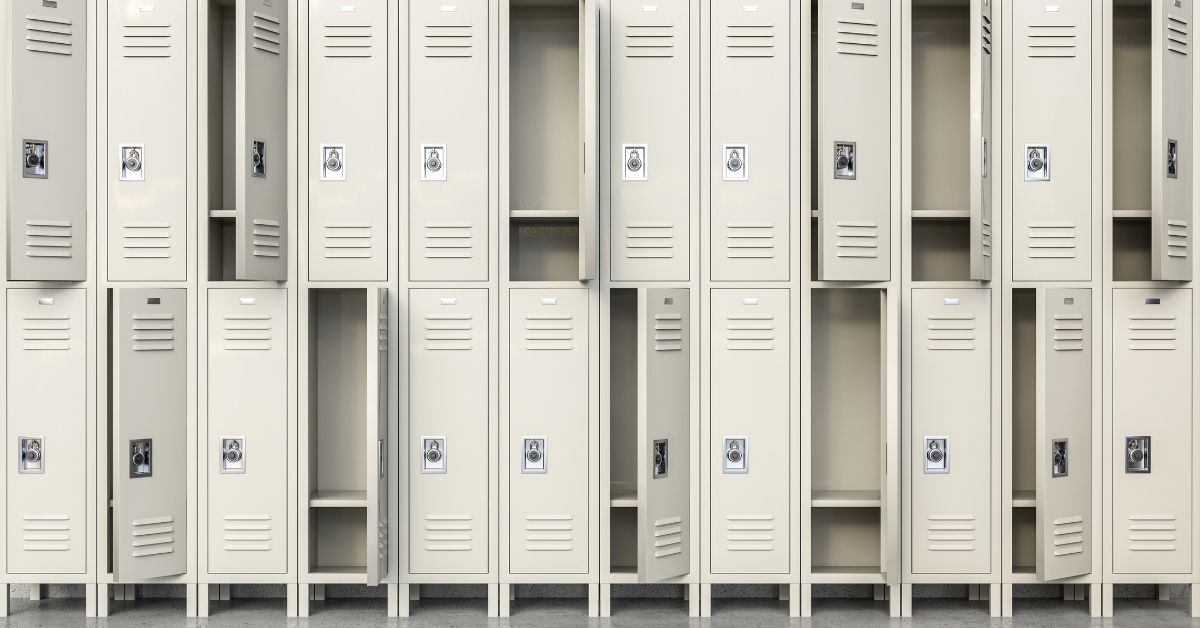


Walk into any changing space and the bench tends to get less attention than the lockers surrounding it, right up until it wobbles, cracks, or simply cannot fit everyone during a busy stretch of the day. A bench locker room setup carries far more daily weight, both literally and figuratively, than most facility managers plan for when they start shopping. Getting the frame, surface material, and sizing right the first time saves a facility from an awkward mid-year replacement and a lot of frustrated feedback from the people using the space.
A well-built locker room bench setup starts with a frame that can handle constant weight shifting without loosening at the joints. Steel pedestals anchored securely to the floor consistently outperform wall-mounted alternatives in busy spaces, since floor anchoring distributes weight more evenly and resists the wobble that tends to develop over months of heavy use.
The surface sitting on top of that frame matters just as much as the frame itself. Solid wood offers a warmer look but demands more upkeep in humid rooms, while phenolic and laminate tops resist moisture far better with minimal maintenance. Facilities near pools, showers, or heavy sweat exposure almost always benefit from choosing a moisture-resistant surface over a purely aesthetic one.
Even a well-built bench fails quickly if locker room bench installation is rushed or done without proper anchoring. Bolting pedestals directly into a level floor, rather than relying on adhesive or a quick screw job, gives a bench the stability it needs to handle years of people sitting, standing, and occasionally jumping on it without warning.

Spacing benches at a consistent height and distance from surrounding lockers also affects daily comfort more than people expect. A bench placed too close to a row of lockers creates an awkward pinch point where people bump into open doors while trying to sit down, while one placed too far away wastes valuable floor space that could otherwise support more storage.
Busy gyms push benches through a different kind of stress test than a quiet office break room, which is exactly why locker room benches for high traffic gyms need a heavier-duty specification from the start. Reinforced steel frames rated for continuous, repeated weight bearing hold up far better than lighter residential-style benches that were never designed for constant commercial use.
Ventilation around the bench area matters here too, since gyms generate far more moisture and odor than most other facility types. Choosing a bench material that resists absorbing sweat and moisture, combined with a room that circulates air well, keeps the whole space from developing the kind of lingering smell that drives away otherwise happy members.
Phenolic resin has become a popular choice for facilities dealing with constant humidity, since it resists water absorption without the warping or swelling that solid wood eventually shows in damp conditions. Laminate offers a middle ground, providing a clean, modern look at a lower cost while still holding up reasonably well against moderate moisture exposure.
Teams like the one at Lockers Unlimited often recommend matching bench material to a room’s actual humidity level rather than defaulting to whatever looks nicest in a product photo. A facility with heavy pool or shower traffic gains far more long-term value from a phenolic surface than from a wood finish that looks great initially but needs frequent refinishing within a year or two.
Bench height that feels comfortable for adults can feel awkward or unstable for children, so facilities serving mixed age groups sometimes need a slightly different approach than a standard adult height bench. Standard heights around seventeen to nineteen inches work well for most adult users, but school facilities in particular may need to adjust based on the typical age range using the space.
Depth matters just as much as height, since a bench that is too shallow makes it hard to sit comfortably while pulling on shoes or gear. A depth of around twelve inches tends to strike a good balance between comfort and not eating up excessive floor space that could otherwise support additional lockers or storage in a tight room.
It’s tempting to treat bench budget as an afterthought once the bulk of a locker order has been decided, but underbudgeting here often backfires within just a couple of years. A slightly higher upfront investment in a solid steel frame and moisture-resistant top typically outlasts a cheaper alternative by a decade or more, which makes the math favor quality even on a tight overall project budget.
Getting a bench quote separated clearly from the locker quote helps facilities see exactly where money is going and where quality actually matters most for their specific space. A quiet office break room can reasonably prioritize appearance over heavy-duty construction, while a busy gym or school hallway should weigh that decision the other way around.
Even a well-built bench needs some routine attention to reach its full lifespan. Wiping down surfaces regularly prevents grime and moisture from settling into seams or joints, particularly on wood benches that can absorb spills if left unattended for too long. Phenolic and laminate surfaces tolerate more frequent cleaning without the same risk of warping or discoloration over time.
Checking hardware periodically matters just as much as surface cleaning. Loose bolts at the base of a pedestal often go unnoticed until a bench starts wobbling noticeably, at which point the fix becomes more urgent than it would have been with a simple quarterly tightening check. Building this kind of inspection into a facility’s existing locker maintenance routine avoids adding a separate task list for staff to remember.
Fixed bench rows bolted permanently into a single configuration suit facilities that do not expect their locker room layout to change much over time. Modular options, by contrast, allow a facility to reconfigure seating as usage patterns shift, which can be valuable for spaces still figuring out their ideal traffic flow or expecting future renovations.
The tradeoff generally comes down to stability versus flexibility. Fixed benches tend to feel sturdier under heavy daily use, while modular systems sacrifice a small amount of rigidity in exchange for the ability to adapt without a full replacement project down the road.
A bench locker room setup that gets real thought, rather than a last-minute add-on decision, tends to reward a facility with years of reliable daily use and far fewer maintenance headaches. Matching frame strength, surface material, and sizing to how your specific space actually gets used makes all the difference between a bench that quietly does its job and one that becomes a recurring complaint.
1. What height should a locker room bench be?
Most adult facilities use benches between seventeen and nineteen inches high. Schools serving younger students may need shorter benches, so checking the typical user age range helps.
2. Are phenolic benches worth the extra cost over laminate?
Phenolic resists moisture and wear noticeably better than laminate, making it a strong choice for pools, gyms, and humid environments. Laminate remains reasonable for drier, lower-traffic spaces.
3. Should locker room benches always be bolted to the floor?
Bolted benches offer far more stability in high-traffic areas like gyms and schools. Freestanding options provide flexibility for spaces that change layout often, but sacrifice durability.
4. How much floor space should surround a locker room bench?
Leaving enough clearance to avoid bumping into open locker doors matters more than exact measurements. A few extra inches of spacing prevent friction during busy changing periods.
5. How often should locker room benches be inspected for wear?
A quarterly check catches loose bolts, cracked surfaces, or wobbling frames before they become safety issues. High-traffic gyms and schools benefit from more frequent inspections overall.