How to Organize Your Garage with Heavy-Duty Storage Lockers
Blog
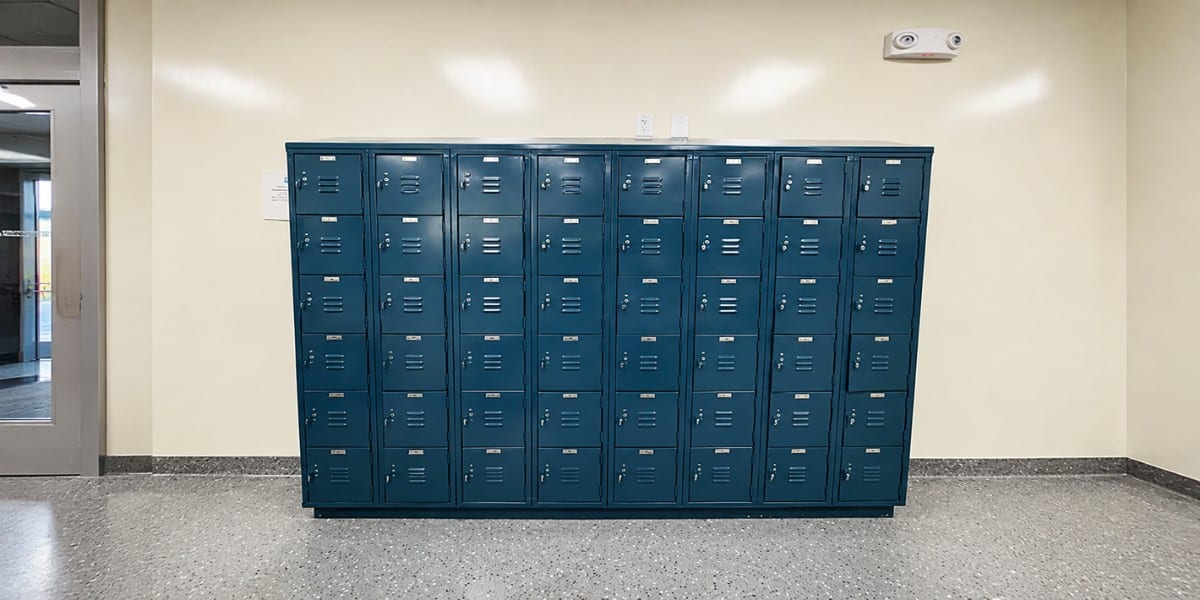
If your garage looks more like a storage unit than a place you’d actually want to park a car, you’re not alone. Garage locker storage is one of the simplest ways to reclaim that space without tearing anything out or spending a weekend building shelves from scratch. Instead of stacking bins on the floor and hoping a pegboard holds the rest, a proper locker system gives every tool, seasonal item, and sports bag its own dedicated spot. It’s a small shift that makes a noticeable difference in how usable your garage feels day to day.
Why Garage Lockers Storage Beats Open Shelving
Open shelving looks fine in photos, but anyone who’s lived with it knows the reality. Dust collects fast, small items slide behind bigger ones, and everything stays visible whether you want it to or not. Garage locker storage solves that by giving you enclosed, dedicated compartments instead of open air. Tools stay protected from moisture and dust, kids’ sports gear doesn’t end up scattered across the floor, and because lockers are vertical by design, you get more usable storage per square foot than a shelf ever could.There’s a security angle too, and it’s easy to overlook until it matters. A locked garage locker keeps power tools, chemicals, and anything sharp or dangerous out of reach of curious kids or opportunistic visitors during an open garage door moment. If you’re still weighing your options, it helps to browse the shop and see how different sizes handle everything from bikes and camping gear to seasonal decorations that only come out twice a year.
What to Look for in Heavy-Duty Storage Lockers
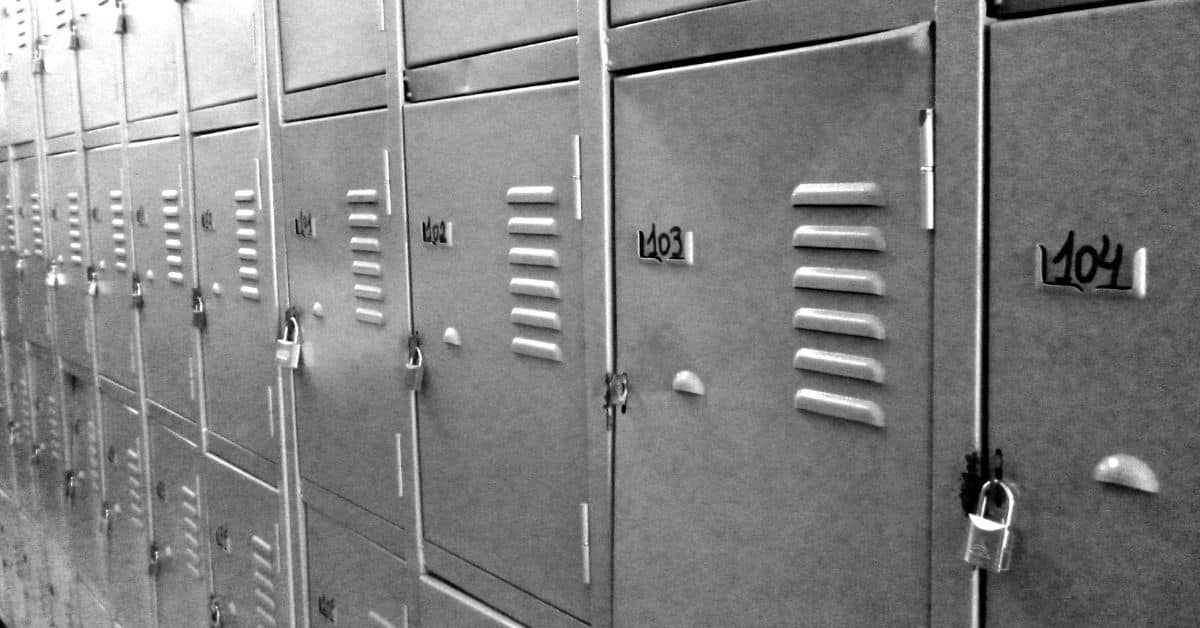
Not all lockers are built the same, and a garage is a rougher environment than a school hallway or an office break room. Heat, moisture, and the occasional dropped wrench all take a toll over time. When you’re shopping for heavy-duty storage lockers, gauge matters more than color or finish. Thicker steel resists dents and holds up under weight without warping after a few years of daily use.Ventilation is another detail worth checking closely. Garages trap heat in the summer, and a locker without proper airflow can turn into a sweat box for anything stored inside, which isn’t great for gear with rubber or leather components. Look for louvered doors or vented side panels before you buy. Door hardware matters just as much, since a locker is only as secure as its latch. Paddle locks or built-in cylinder locks tend to outlast the flimsy hook latches you’ll find on cheaper models, especially once they’ve been opened and closed a few thousand times. If you want to compare gauge and sizing side by side, the new lockers lineup breaks down what’s available by material and dimensions.
Metal vs. Plastic: Picking the Right Material for Your Garage
This is usually the first real decision once you’ve settled on a garage storage plan. Metal lockers are the traditional choice, and for good reason. They’re rigid, they take a beating, and they last for decades as long as you keep rust in check with a fresh coat of paint every so often. If your garage doubles as a workshop where tools get knocked around, metal is usually the safer bet.Plastic lockers have their own advantages, especially in garages that deal with regular moisture, whether from snow melt, a leaking hose, or general humidity. They won’t rust, they’re lighter to move around during a reconfiguration, and they hold up well in coastal or humid climates where metal tends to struggle over time. Companies like Lockers Unlimited carry both materials, so you’re not stuck guessing which one fits your situation. Their team can walk you through the tradeoffs based on your climate and how the space actually gets used.
Accessories That Make Your Garage Storage Even Better
A locker on its own solves a lot, but the right accessories turn a decent setup into a genuinely great one. Interior shelving splits a tall locker into usable zones instead of one deep cavity where smaller items sink to the bottom and disappear. Hooks and rod mounts give you a proper spot for extension cords, hoses, and anything else that’s better hung than stacked in a pile.Don’t overlook seating either. A storage bench near your setup gives you somewhere to sit while changing shoes or lacing up boots before heading out, and most bench options include built-in cubbies that are perfect for daily-use items like gloves or a dog leash. Pairing your lockers with matching locker accessories keeps the whole wall looking intentional instead of like a pile of mismatched bins that finally got organized.
Installing Your New Lockers the Right Way
Once you’ve picked your lockers, installation is where a lot of DIY projects stall out. Garage floors aren’t always level, walls aren’t always plumb, and anchoring heavy locker units into concrete requires the right hardware to keep them from tipping under load. A locker packed with tools and gear is heavier than it looks, and a wobbly install is a safety problem waiting to happen, especially if kids are in and out of the garage.If you’d rather not spend a weekend leveling, drilling, and anchoring on your own, professional installation services exist for exactly this reason. A team that installs lockers regularly can get an entire garage wall set up in a fraction of the time it would take to figure out yourself, and they’ll make sure everything is anchored properly the first time so you’re not revisiting the job in six months.
Common Mistakes to Avoid When Setting Up Garage Storage
Even a good plan can go sideways if you skip a few basics. One of the most common mistakes is buying lockers before measuring the space properly, including door swing and ceiling height. A locker that looks fine on a showroom floor can end up blocking a garage door track or leaving no room to open the door all the way once it’s against the wall.Another mistake is ignoring weight distribution. It’s tempting to load the heaviest items into the tallest, top-most compartments simply because there’s room, but that raises the center of gravity and makes the whole unit less stable over time, especially on uneven flooring. Keep heavier gear like tool boxes and paint cans lower, and save the top shelves for lighter, less frequently used items.People also tend to underestimate how much they’ll actually store once the lockers are in place. Garages fill up fast, and a setup that felt spacious on day one can feel tight within a season. Leaving a little extra capacity, or choosing modular units you can add to later, saves you from redoing the whole wall down the road. It’s also worth thinking about airflow around the units themselves, not just inside them, since lockers pushed flush against a damp exterior wall can trap moisture behind them over time.Garage lockers storage isn’t a glamorous upgrade, but it’s one of those changes you notice every single day. Once your tools, gear, and seasonal items each have a real home, the garage stops being the room you avoid opening. Start with one wall, see how much space you get back, and build out from there.
It depends on what you’re storing, but a good starting point is measuring your tallest items, like a shop vac or golf bag, and adding a few inches of clearance. Most garages do well with a mix of full-height and half-height lockers to cover both bulky and smaller gear
Can garage lockers storage handle humidity and temperature swings?
Yes, as long as you pick the right material for your climate. Plastic lockers resist moisture damage better in humid regions, while properly coated metal lockers hold up fine almost anywhere with occasional maintenance.
Are metal or plastic lockers better for garages?
Metal tends to be the better choice for workshops and heavy tool storage because of its rigidity. Plastic works well in damp or coastal climates and for lighter-duty storage like sports equipment and seasonal items.
Do I need professional installation for garage lockers?
It’s not strictly required, but heavier units benefit from professional anchoring, especially on uneven concrete floors. It reduces the risk of tipping and usually takes far less time than a DIY attempt.
How much do these storage lockers cost?
Pricing varies based on size, material, and gauge of steel or plastic, so it’s best to get a specific quote based on your garage’s layout and how much storage you actually need.
Can garage lockers be locked for security?
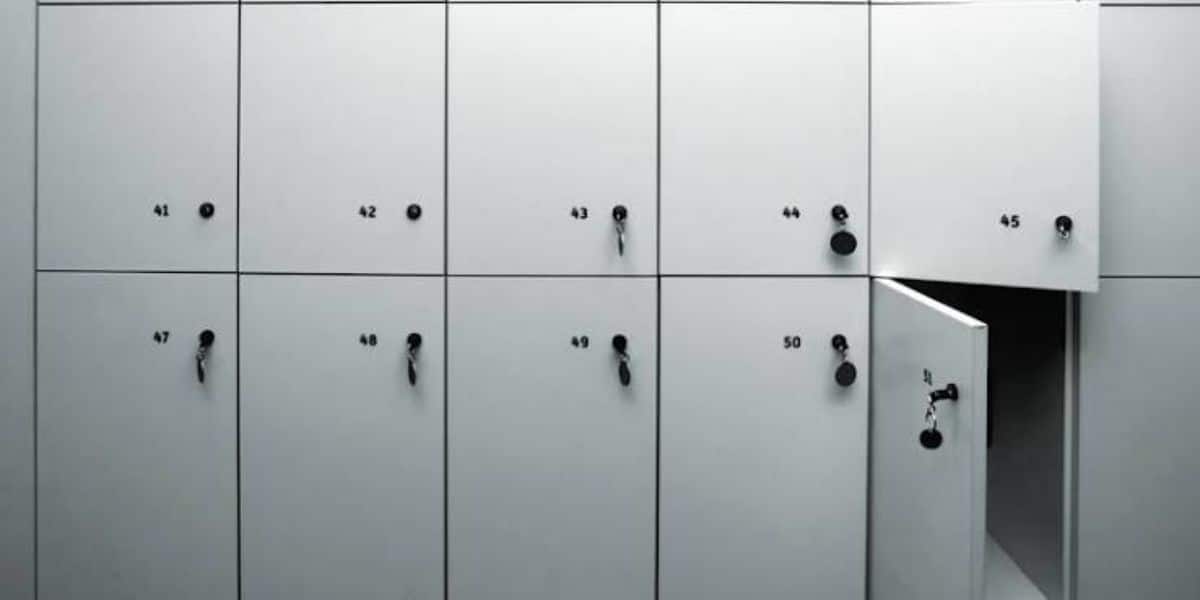
Most heavy-duty models come with options for paddle locks or built-in cylinder locks, which is worth considering if you’re storing power tools, chemicals, or anything else you’d rather keep secured.
At Lockers Unlimited, we combine innovation, quality, and excellent customer service to deliver the best storage solutions for your needs. From design to installation, we’re here to help every step of the way.
Ready to upgrade your space with our new lockers? Contact us today to discuss your project and find the perfect solution for your needs.