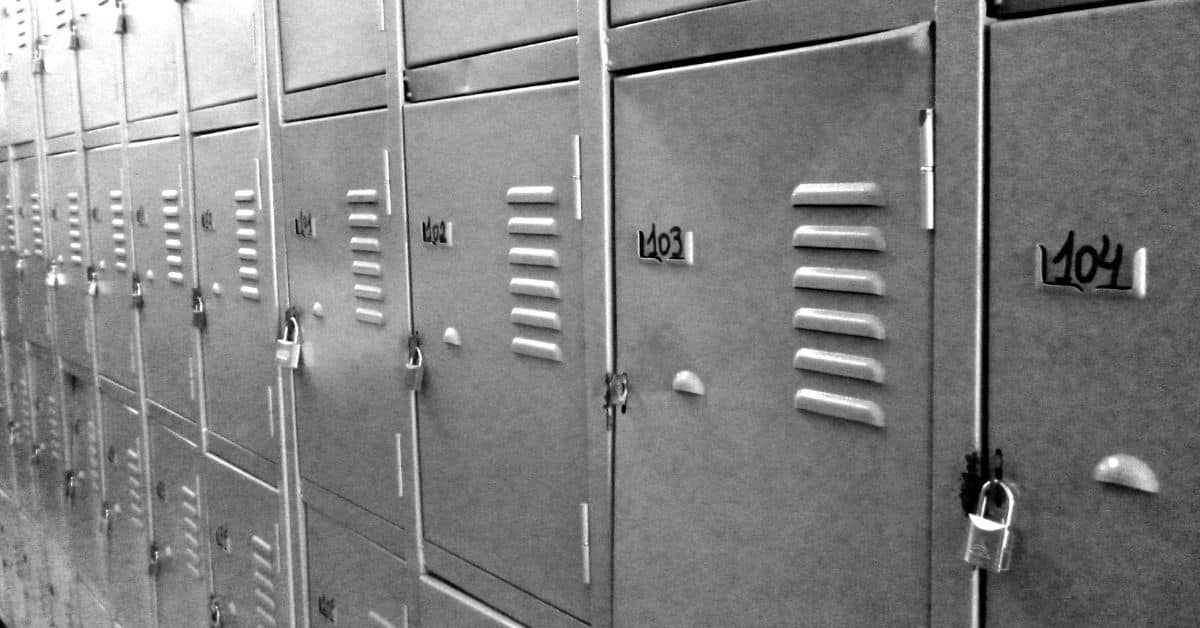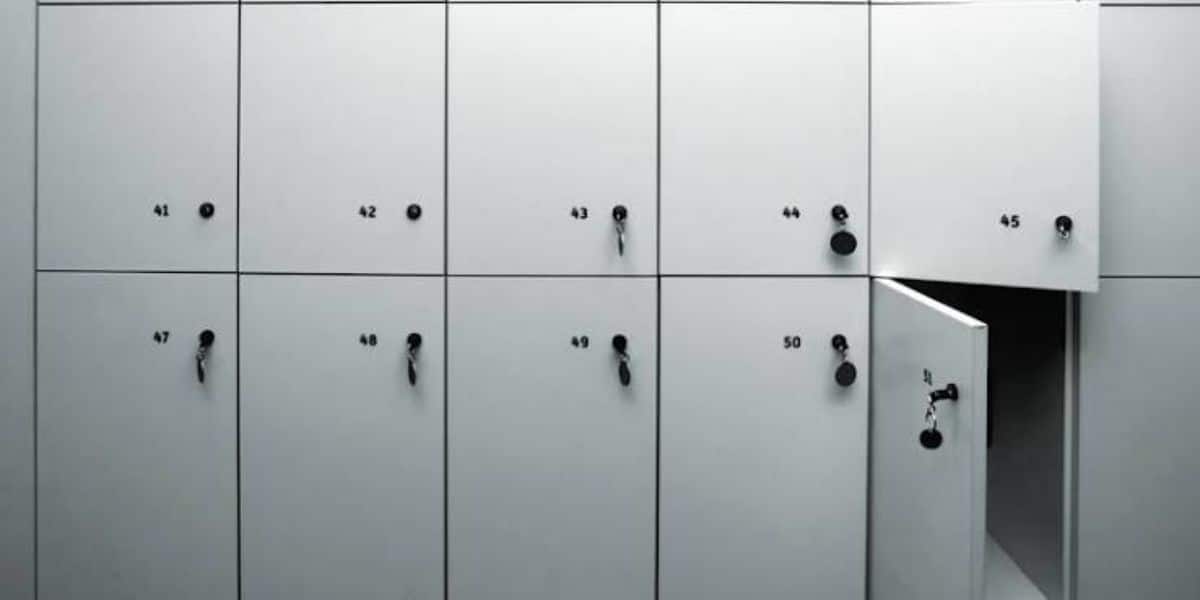
Budgets rarely stretch as far as a facilities list does, and lockers are usually one of the bigger line items on that list. That’s why second hand lockers for sale have become such a practical option for schools, gyms, and businesses trying to outfit a whole building without draining the equipment fund. You get the same daily function, the same secure storage, and often the same brand-name durability, just without the new-unit price tag attached to every single unit.
Facilities budgets get stretched thin fast, especially when a locker room, gym, or break room needs dozens of units at once. Buying secondhand lets you outfit a large space for a fraction of what new units would cost, which frees up budget for other priorities like flooring, lighting, or benches. For a school replacing an entire hallway of lockers, that price difference can mean the difference between a full renovation and a partial one.
It’s not just about upfront savings either. Well-built lockers, especially older steel models, were often made with heavier gauge steel than some of today’s budget-tier new lockers. Buying used sometimes means buying sturdier, not just buying cheaper. A gym owner outfitting a new locker room or a business setting up break room storage can get years of reliable use out of a well-maintained secondhand unit.
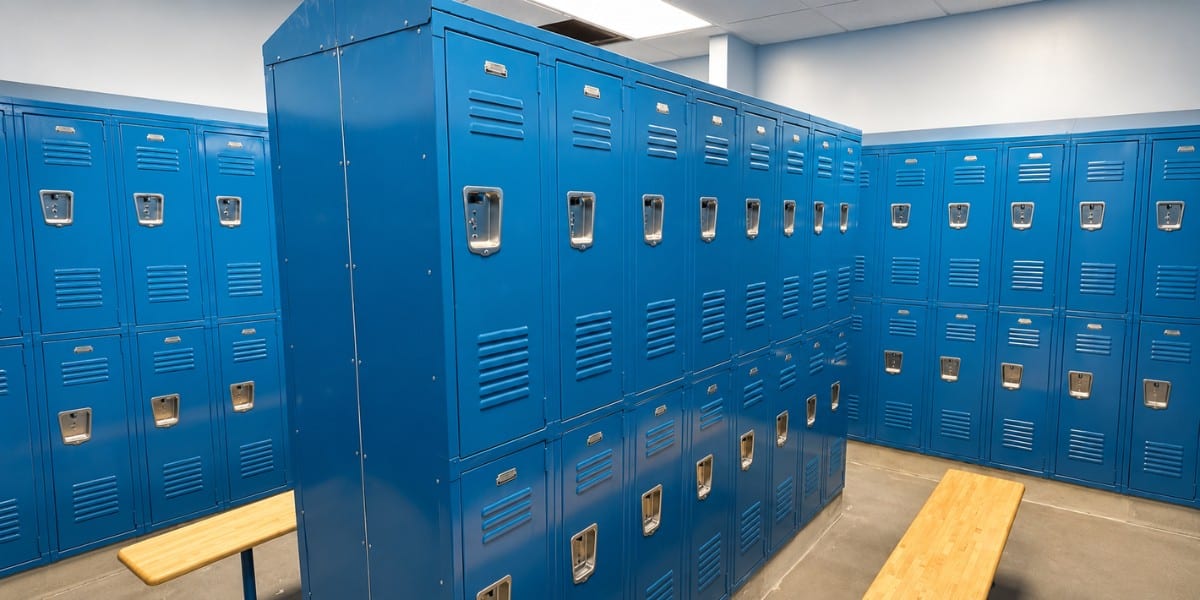
Not every used locker on the market is worth the discount. Before you commit, check the doors and hinges first, since these take the most abuse over a locker’s life. Doors that don’t sit flush or hinges with visible play usually mean years of use are catching up with the unit. Rust is next on the list, particularly around the base and door seams where moisture tends to collect. Surface rust is usually fine and can be treated, but deep pitting or rust that’s eaten through the metal is a sign to walk away.
Locks and latch mechanisms deserve a close look too. Make sure the mechanism still engages smoothly, and ask whether keys or combination settings are included, since replacing lock hardware across dozens of units adds up fast. It’s also worth checking whether the lockers were used in a dry indoor setting or somewhere damper like a pool facility, since that history affects how much life is left in them. A reputable seller should be upfront about where the units came from and how they were maintained.
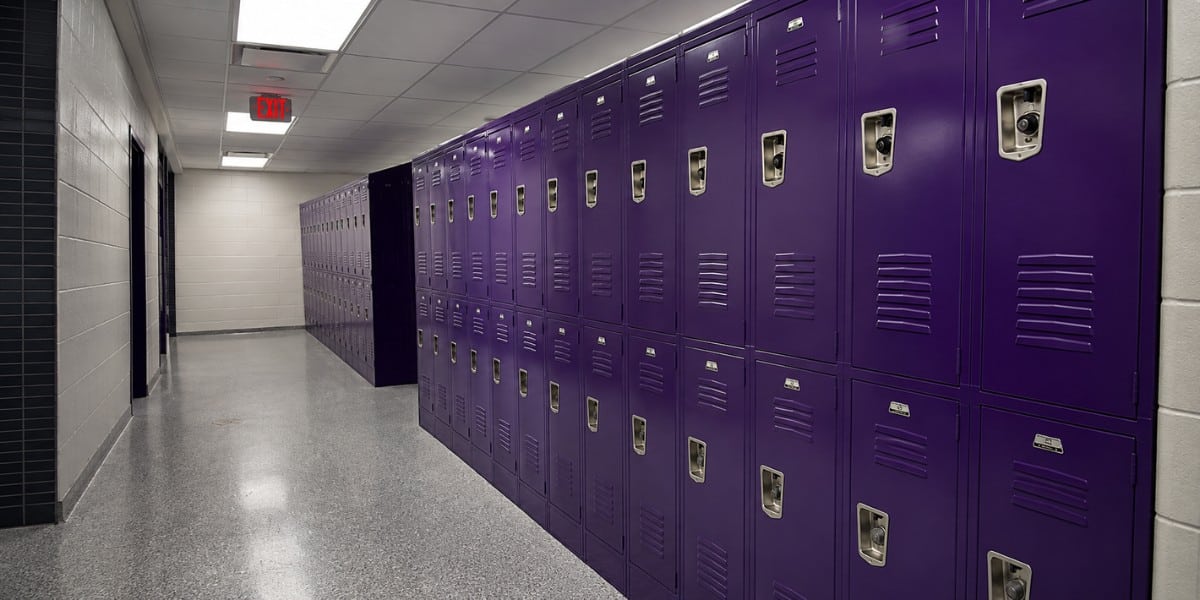
Schools are probably the most common buyer of used lockers, and it makes sense. Hallways need dozens or even hundreds of units, and a district replacing an aging bank of lockers rarely has the budget to buy everything new. Gyms and recreation centers follow a similar pattern, especially when opening a new location or renovating an existing locker room on a set timeline and budget.
Small businesses and offices benefit in a different way. A break room or back office rarely needs the same volume as a school, but it still needs somewhere secure for employees to store personal items, and a handful of gently used lockers does the job without a large capital outlay. Warehouses and shop floors are another common buyer, often looking for rugged units that have already proven they can handle daily wear. Whatever the setting, secondhand inventory tends to appeal most to anyone who needs real storage capacity without committing to a brand-new budget line.
The used market can be hit or miss if you’re buying blind, which is why sourcing matters as much as price. A dealer that’s been in the locker business for years, rather than a one-off online listing, is far more likely to have accurately assessed condition and to stand behind what they’re selling. Lockers Unlimited has been supplying schools, gyms, and businesses with both new and used inventory since 1992, so their team has a good sense of what holds up and what doesn’t across different brands and eras of manufacturing.
It also helps to buy from a seller who can show you past installation work rather than just product photos. Seeing how similar projects turned out gives you a better sense of what to expect once your own lockers are delivered and set up. If you’re comparing options, it’s worth taking a look at current availability in the shop before deciding, since inventory on used units tends to move faster than new stock.
Buying used isn’t automatically the right call for every project. If you need a specific color scheme, a particular locker configuration, or a warranty backing every unit, new lockers are usually the better fit. Second hand lockers for sale shine brightest when the priority is function over form, when you need a large quantity fast, or when the budget simply doesn’t allow for new pricing across the board.
There’s also a middle ground worth considering. Some buyers mix secondhand units for high-traffic, lower-visibility areas like a warehouse floor with new units in more visible spaces like a front office or lobby. That approach stretches the budget without sacrificing first impressions where they matter most. Whichever direction you lean, getting a straight answer about installation and support up front saves headaches later, since a locker that needs anchoring or leveling work is only a good deal if someone can actually get it installed properly.
A little upkeep goes a long way toward getting the most out of a used purchase. Start with a coat of rust-inhibiting paint on any exposed metal, even areas that look fine now, since surface rust spreads faster once it gets a foothold. Hinges and latch mechanisms benefit from a light lubricant applied every few months, especially in high-traffic areas like a school hallway or gym locker room where doors get opened dozens of times a day.
It’s also worth doing a walkthrough every school year or every few months in a commercial setting to catch small issues before they turn into bigger ones. A loose hinge or a sticking latch is a quick fix on its own, but left alone it tends to accelerate wear on the surrounding metal. If a unit does develop a dent or a section of chipped paint, addressing it early keeps moisture from working its way into the seam. None of this requires special expertise, just a bit of routine attention, and it’s the difference between a locker bank that lasts five years and one that lasts twenty.
Buying secondhand isn’t a compromise when you know what to look for. With the right seller and a bit of inspection up front, a smart secondhand purchase can outfit an entire facility at a fraction of the cost of buying new, and often with years of solid use still left in them. If you’re ready to see what’s currently available, reach out to the team and they can walk you through options that fit your space and budget.