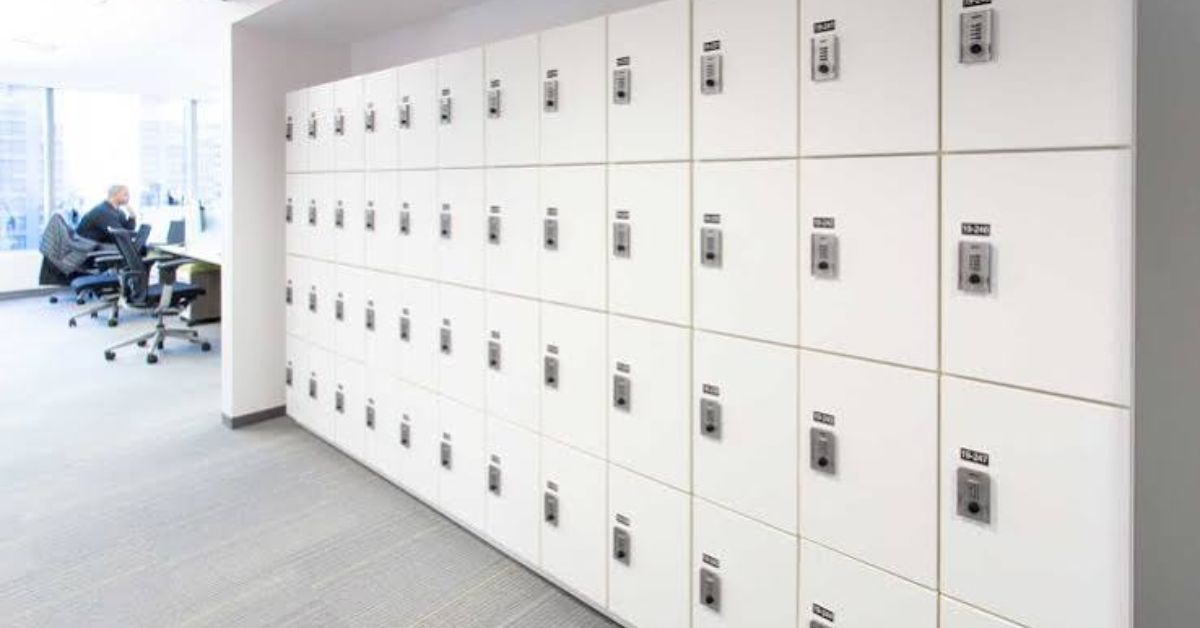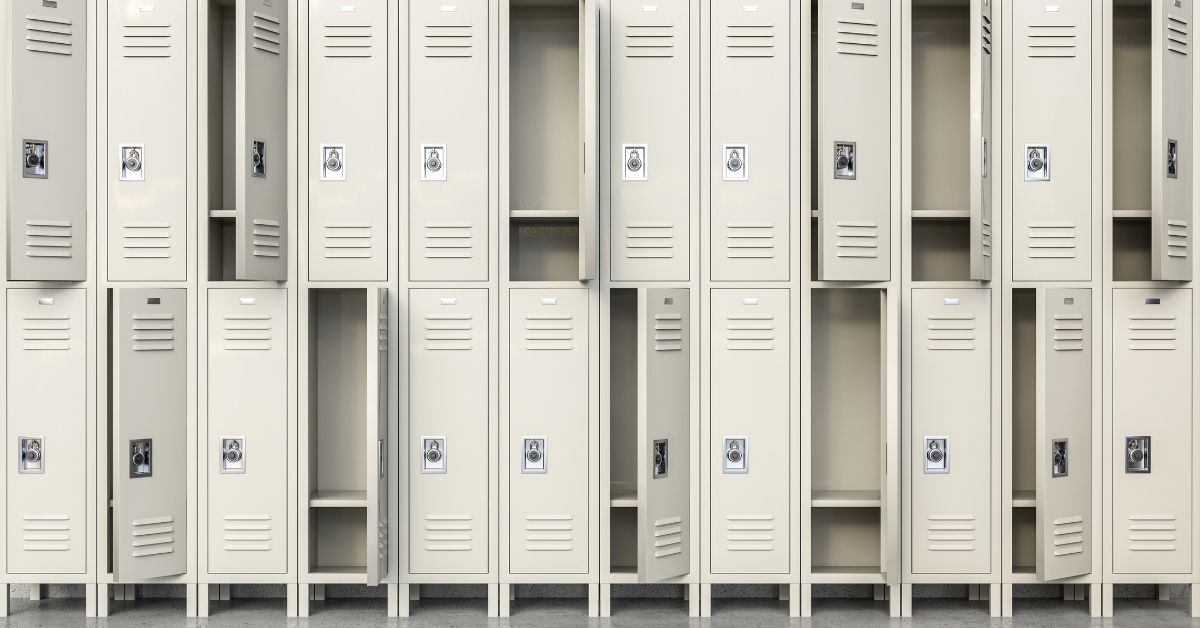

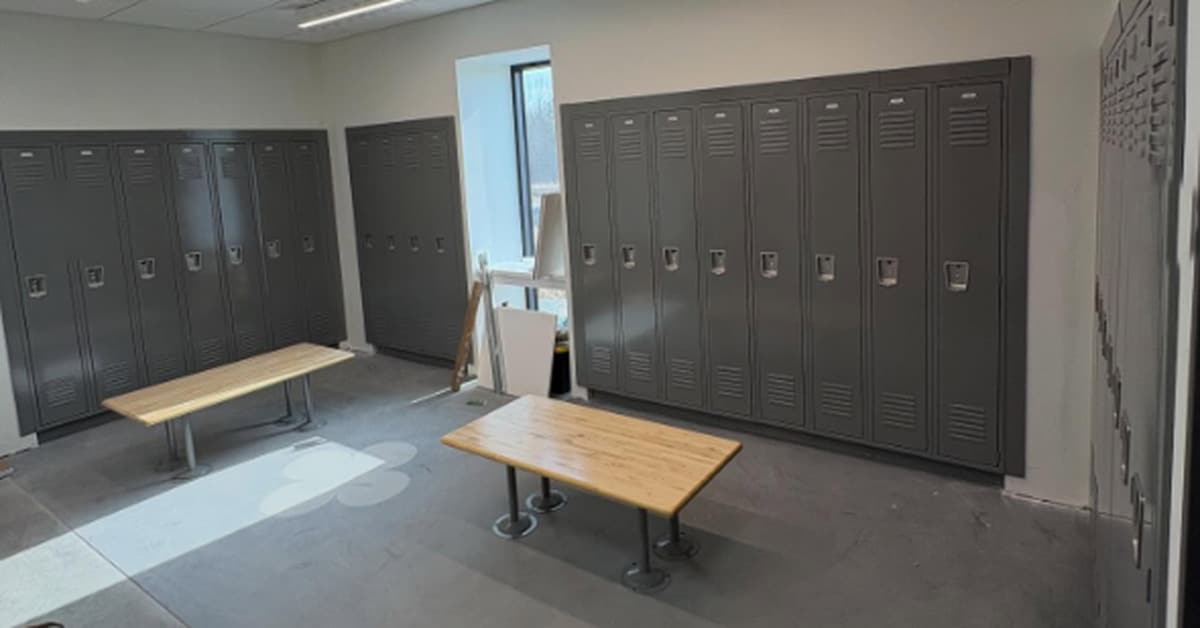
Ask a gym owner what drives cancellations, and you will hear about equipment, crowding, and price. Rarely does anyone mention the locker room, yet it is one of the few spaces every member uses on every visit. Gym lockers that stick, smell, rattle, or run out at peak hours create small frustrations that add up. Eventually, those frustrations show up as lower retention and a reputation problem on review sites.
The good news is that most locker problems come from a short list of avoidable mistakes. Here are nine of the most common, along with what each one really costs and how to fix it.
Closed, unventilated compartments trap moisture from sweaty clothes and damp towels. Within hours, odors develop, and within weeks, mildew can follow. Members blame the facility, not the lockers.
Fix it by choosing doors with louvers or perforations, and by making sure the room itself has working exhaust. If you operate in a humid climate, consider materials that resist moisture. A closer look at how airflow affects lockers appears in this guide on why gym lockers need better ventilation than offices.
A single locker size seems efficient, but it rarely matches real behavior. Members who bring a full gym bag need a tall compartment, while lunchtime visitors only need a place for a phone and keys. When everyone gets the same space, half the lockers feel too small and the other half sit mostly empty.
Fix it by mixing sizes. A blend of full height lockers, half height units, and small valuables boxes uses space far more efficiently and keeps more members happy at peak hours.
A low price per door looks attractive until hinges start to sag and doors stop aligning. Cheap lockers often use thin steel, riveted frames, and light hardware. Under heavy daily use, they fail early.
The true cost shows up as repairs, replacements, and unhappy members. Compare quotes on construction details, not just price. This look at what makes gym lockers last through daily use lists the features worth paying for.
Painted steel is excellent in dry areas, but near showers, pools, and saunas it can rust within a few years. Once rust spreads, repainting only delays the inevitable.
Fix it by matching material to environment. Plastic or phenolic lockers belong in wet zones, and steel can handle the drier parts of the room. Many gyms use both, and the result is lower maintenance over the long run.
Lockers do not work in isolation. If aisles are too narrow, members bump into each other, and changing becomes uncomfortable. If benches are missing or poorly placed, people sit on the floor or block walkways.
Fix it by planning space for movement. Leave generous aisles, place benches between facing rows, and make sure seating is sturdy enough for daily use. This guide to locker room benches for high-traffic gyms offers practical placement ideas.
When members bring their own padlocks, you get a mix of cheap locks, forgotten combinations, and cut locks left behind. Staff spend time clearing lockers, and members worry about theft.
Fix it by choosing a consistent lock system. Built-in combination locks, keyed locks, or electronic systems all reduce confusion. This overview of why choosing the right locker lock matters compares the main options.
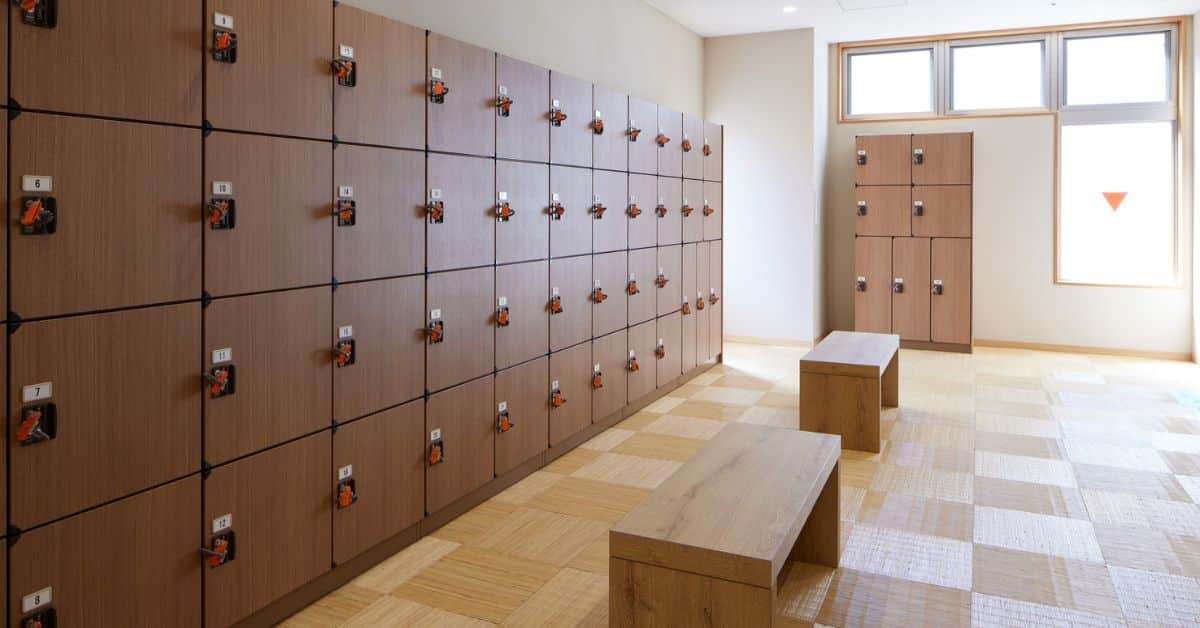
Gym lockers get opened and closed hundreds of times each week. Hinges loosen, latches wear, and small issues grow quietly. Without a schedule, nobody notices until a door falls off during peak hours.
Fix it with a simple routine. Inspect hinges and latches, tighten hardware, clean interiors, and touch up paint on a regular schedule. The cost of a few minutes each month is far lower than emergency repairs, and this article on why regular locker maintenance saves money explains the math.
Some owners replace lockers at the first sign of trouble, spending money on units that only needed a new latch. Others wait until half the room is damaged, which forces a rushed and expensive project.
Fix it by setting a threshold. Repair when damage is isolated, and replace when problems become widespread or when repairs cost more than a fraction of new units. This comparison of locker repair versus replacement can help you decide.
A locker room that fits your membership today may be too small in two years. Adding lockers later is possible, but matching colors, styles, and sizes can be difficult if you did not plan.
Fix it by leaving expansion room in your layout and ordering a few extra units. Ask your supplier whether they can reorder the same model in the future, so your room stays consistent as you grow.
Look closely at the nine mistakes and a pattern appears. Each one comes from treating lockers as a simple purchase rather than a system. The right gym lockers depend on environment, members, room layout, security, and long-term care. When those pieces work together, the locker room becomes a quiet strength instead of a constant complaint.
If you are planning a project, walk the room at your busiest hour before you decide anything. Watch where members slow down, where they wait, and where they struggle. Those observations are more valuable than any catalog.
A supplier with gym experience will raise these issues before you ask. Lockers Unlimited works with fitness centers, schools, and clubs to design locker rooms that hold up under real use.
When you are ready to compare options, browse the full selection of gym lockers and request a quote based on your floor plan.
You do not need a consultant to spot most locker problems. Pick a busy hour and walk the room with a notepad. Open ten lockers at random and check the hinges, latches, and interiors. Note any rust, dents, loose hardware, or odors. Count how many lockers are out of service, and ask staff how often members report problems.
Next, stand in the aisle during a class changeover and watch the flow. Are people waiting to reach their lockers? Are bags blocking walkways? Do members sit on the floor because benches are full? Write down every friction point you see.
Finally, talk to members. A short survey at the front desk or a quick conversation with regulars often reveals issues staff never notice. Ask what they like, what annoys them, and what they would change. Combine the audit with the feedback, and you will have a clear list of priorities.
Few gyms can replace everything at once, and they do not need to. Phase the project by priority. Start with wet zones and failing units, move on to aging banks, and finish with cosmetic updates. Replace in sections so the room stays open to members throughout.
Keep a simple repair log so you can show owners or investors where money is going. Ask suppliers to hold pricing and style for future reorders, so later phases match the first.
It can be hard to put a number on a better locker room, but the effects are real. Fewer complaints mean less staff time spent apologizing and resolving disputes. Fewer broken lockers mean lower repair bills and fewer emergency orders. Better airflow and cleaner materials reduce cleaning costs and protect the building.
Most important is retention. Members who feel comfortable and secure are more likely to renew, and happy members tell friends. Gym owners often find that small improvements, such as a better layout or a few extra benches, deliver outsized returns because they affect every single visit. Start with the cheapest fixes, such as maintenance routines and clearer rules, and phase larger upgrades as budget allows.
Gym lockers rarely get credit when they work, but they take plenty of blame when they do not. Avoid these nine mistakes, and your locker room will support member satisfaction, keep repair costs under control, and give you a better return on every dollar you invest.
1. What is the biggest mistake gyms make with lockers?
Ignoring ventilation and material choice causes the most complaints. Moisture creates odor, rust, and early failure, so match doors and materials to your humidity level from the start.
2. How many gym lockers should a facility have?
Many gyms plan one locker per two to three members at peak hours. Add extra for growth, and mix sizes so full height and small lockers both stay available.
3. Should gyms repair or replace damaged lockers?
Repair isolated issues such as loose hinges or broken latches. Replace when damage is widespread or repair costs approach the price of new units, since repeated fixes drain budgets.
4. Are plastic gym lockers better than steel?
Plastic performs better in wet areas because it resists moisture. Steel is stronger against impact in dry zones. Many gyms combine both types to cover different parts of the room.
5. How often should gym lockers be inspected?
A quick monthly check of hinges, latches, and locks catches small problems early. Add a deeper annual inspection that includes interiors, anchoring, and finishes for long-term durability.