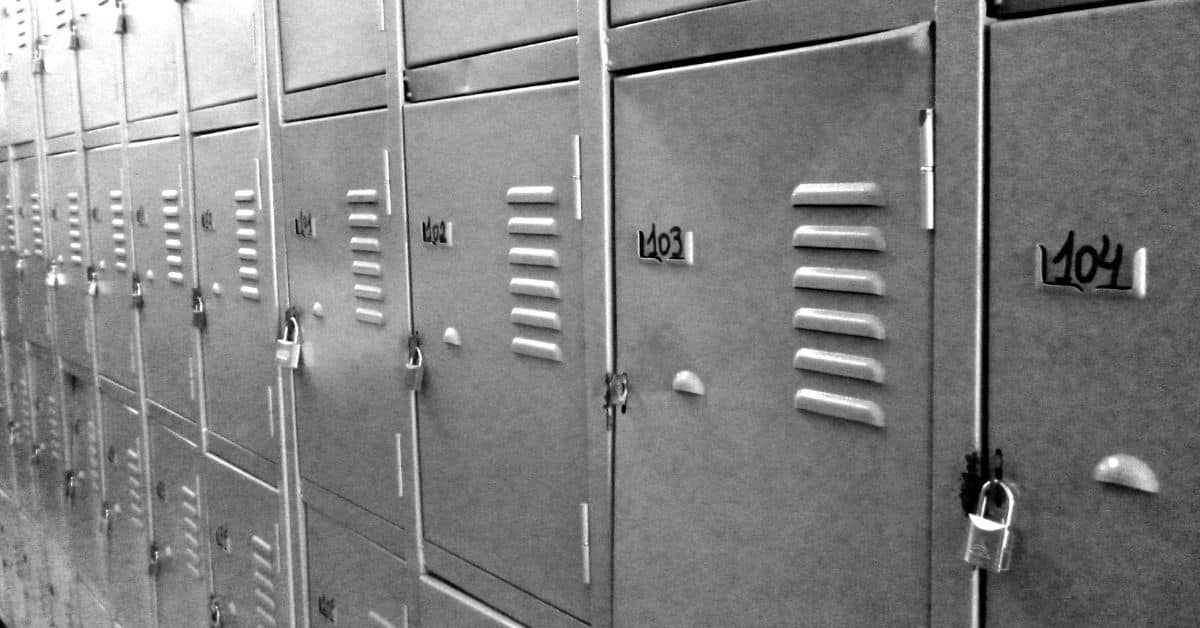
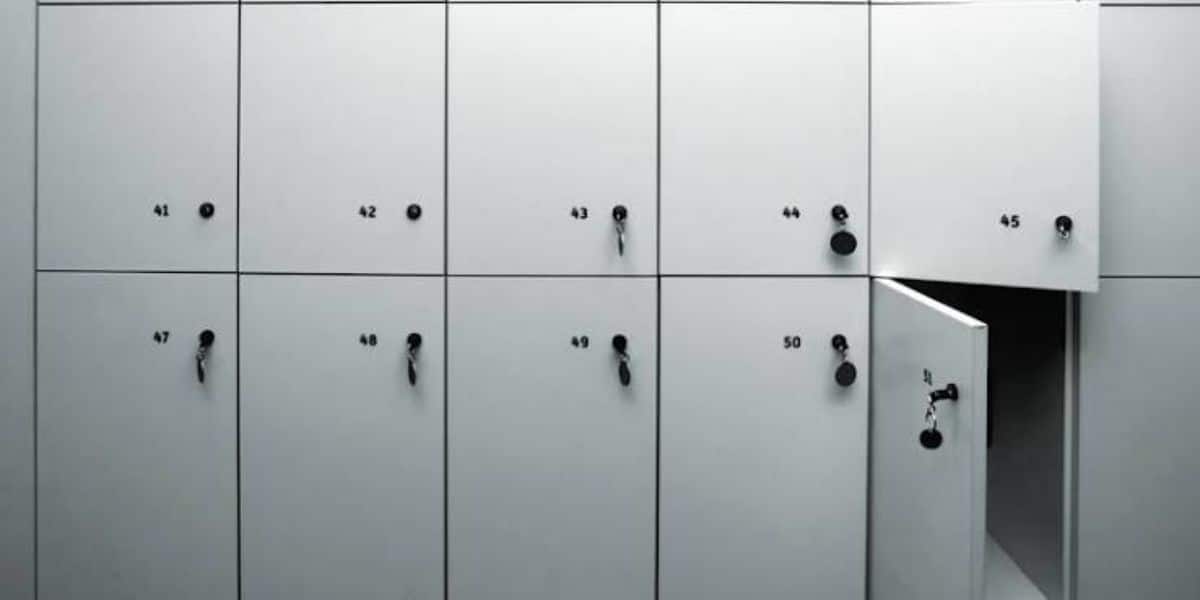
Schools opening new wings, gyms expanding into bigger buildings, and warehouses adding staff space all eventually run into the same question: how do you outfit dozens or hundreds of lockers without blowing the budget? That question is exactly what pushes most facility managers toward the wholesale market. Buying lockers wholesale can cut costs significantly compared to piecing together smaller orders, but it also comes with its own set of decisions that first-time bulk buyers rarely expect going in.
Understanding why lockers wholesale pricing works the way it does helps buyers negotiate from a stronger position. Manufacturers and distributors offer lower per-unit costs at higher volumes because production, shipping, and handling become more efficient at scale. A single pallet costs nearly as much to ship as a truckload, so spreading that cost across more units brings the price per locker down considerably.
This pricing structure means the savings grow the larger an order gets, which is why schools and large facilities often see the steepest discounts. Smaller businesses can still benefit by combining orders across departments or locations, reaching a volume threshold that unlocks better wholesale rates rather than settling for standard retail pricing on a smaller run.
Not every project calls for a wholesale approach, but bulk storage lockers become the obvious choice once a facility needs more than a handful of units. Warehouses outfitting an entire staff area, schools replacing lockers across multiple hallways, and gyms opening a new location all typically cross that threshold where wholesale pricing starts to matter.
Timing also plays a role. Facilities planning a renovation or new build months in advance have more flexibility to order wholesale and wait for standard production timelines, while last-minute projects may need to accept smaller batches at retail pricing simply to meet a deadline. Planning ahead often pays for itself through better wholesale terms alone.
Steel remains the material most facilities request in bulk, which makes finding a reliable source for wholesale metal lockers a priority for most large orders. Gauge thickness matters just as much at wholesale volume as it does for a single unit, since a thinner, cheaper steel might look like a bargain on paper but dents and wears faster under daily use across an entire facility.
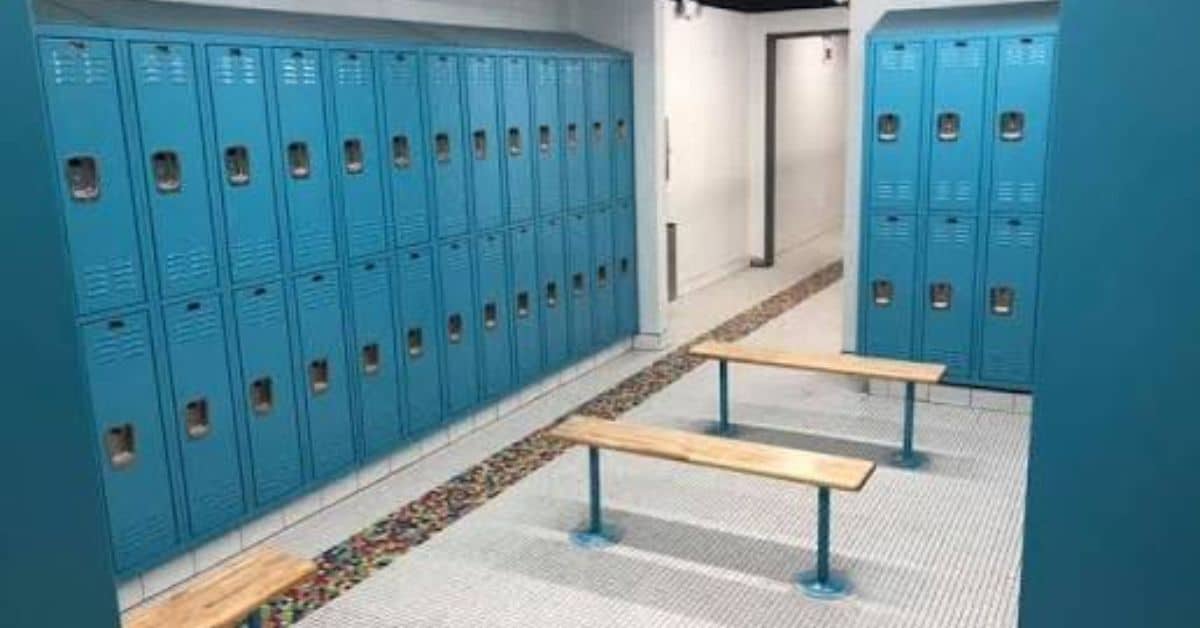
Buyers should ask suppliers directly about the gauge, coating process, and weld quality behind their wholesale inventory rather than assuming all metal lockers are built to the same standard. A slightly higher wholesale price for better materials often costs less over the life of the lockers than a rock-bottom price on units that need early replacement.
Ordering at volume raises the stakes if something goes wrong, so a few quality checks before finalizing a large order protect against costly surprises. Requesting a sample unit ahead of a full order lets facility managers physically inspect welds, hinges, and finish quality before committing to hundreds of matching pieces.
Reading through a supplier’s warranty terms closely also matters more at wholesale scale, since a defect affecting even a small percentage of a large order can add up to a significant number of units needing repair or replacement. A clear, generous warranty signals a supplier confident enough in their own manufacturing to stand behind it at volume.
Price is only one part of a wholesale negotiation, and buyers who focus solely on the per-unit cost sometimes overlook terms that matter just as much. Delivery timelines, payment structure, and what happens if units arrive damaged all deserve as much attention as the headline price during negotiations.
Asking for staged delivery, where a large order arrives in smaller batches rather than all at once, can also help facilities manage receiving space and installation scheduling more smoothly. Suppliers experienced with large commercial orders are usually willing to structure delivery this way, since it benefits both sides by reducing the risk of a single shipment going wrong.
A wholesale purchase does not need to be a single, isolated transaction. Facilities that grow, renovate, or replace lockers regularly benefit from building a relationship with a supplier who understands their standard sizes, finishes, and ordering patterns. Teams like the one at Lockers Unlimited work with schools, gyms, and businesses on both one-time bulk orders and ongoing supply relationships, which often leads to better pricing and priority scheduling over time.
This kind of relationship also pays off when unexpected needs come up, like a sudden expansion or a batch of damaged units needing quick replacement. A supplier who already knows your account moves faster than one meeting your facility for the first time, which matters considerably when a wholesale order needs a quick fix.
The best wholesale outcomes usually come from facilities that plan several months ahead rather than reaching out once a deadline is already close. Early planning gives buyers time to compare multiple suppliers, request samples, and negotiate terms without the pressure of an approaching opening date or renovation deadline.
Keeping detailed records of past orders, including sizes, finishes, and any issues encountered, also makes future wholesale purchases faster and more accurate. Facilities that track this information avoid repeating past mistakes and can specify exactly what worked well when reaching out to a supplier for the next large order.
A handful of mistakes show up again and again with first-time wholesale buyers. Ordering based purely on the lowest quoted price, without checking gauge thickness or warranty terms, often leads to units that wear out faster than expected across a large facility. Comparing quotes on price alone rather than total value tends to backfire once the lockers are in daily use.
Underestimating lead times causes similar headaches. Wholesale orders, especially custom sizes or colors, can take considerably longer to manufacture than a small retail purchase, and buyers who wait until close to a deadline often end up paying rush fees or settling for less ideal specifications just to meet a timeline. Building in extra weeks beyond the quoted lead time protects against normal manufacturing or shipping delays.
Finally, some buyers skip asking about installation support entirely, assuming their own staff can handle setup for a large order. Installing dozens or hundreds of lockers takes real labor and expertise, and factoring this into the total project cost from the start avoids an unpleasant surprise once the shipment actually arrives on site.
Buying lockers wholesale rewards preparation. Facilities that understand pricing structures, ask the right quality questions, and negotiate terms beyond just price tend to end up with a smoother order and better value than those who simply chase the lowest number on a quote.
1. How many lockers does an order need to qualify for wholesale pricing?
Most suppliers set wholesale thresholds around twenty or more units, though this varies by company. Combining orders across departments helps smaller facilities reach that volume for better pricing.
2. Is buying lockers wholesale slower than a standard retail order?
Wholesale orders often take longer to manufacture due to higher volume, so planning months ahead helps avoid delays. Standard retail orders ship faster but usually cost more per unit.
3. Can wholesale lockers be customized with different colors or sizes?
Many suppliers offer customization on wholesale orders, though mixing too many variations can slow production and reduce savings. Sticking to one or two configurations keeps pricing and timelines predictable.
4. What should I inspect before accepting a large wholesale shipment?
Check a sample from the batch for weld quality, hinge function, and finish consistency before accepting the order. Reporting issues immediately gives the supplier the best chance to fix them.
5. Do wholesale lockers come with the same warranty as retail units?
Most reputable suppliers apply the same warranty terms to wholesale and retail orders, though it is worth confirming directly. A strong warranty at volume signals real confidence in quality.