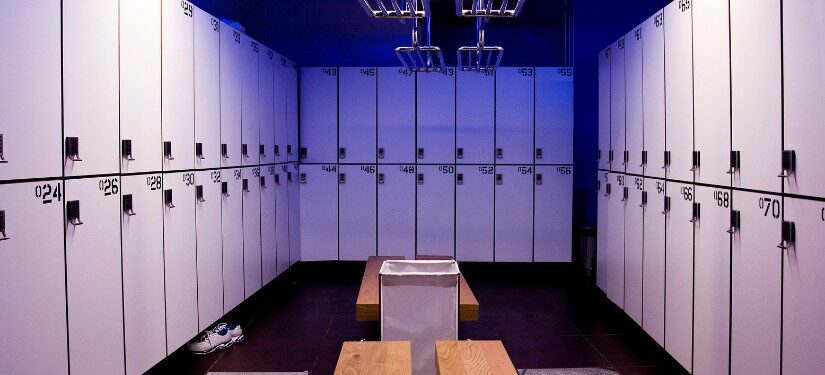
Standard sizing works fine right up until it doesn’t, whether that’s an oddly shaped hallway, a brand color that needs to show up on every surface in the building, or a facility that simply wants storage that feels considered rather than off the shelf. That’s the gap a custom locker order fills. Understanding what customization actually covers, and where the real value lies, helps facility managers decide whether a standard product or a tailored order makes more sense for their specific space.
A custom locker order can mean something as simple as choosing a nonstandard color to match branding, or as involved as designing entirely unique dimensions to fit an unusual architectural space. Between those extremes sit common requests like custom number plates, specific hardware combinations, or a mix of locker sizes within a single unified design across a hallway or locker room.
Understanding this range matters because customization does not have to mean a massive budget jump. Simple changes like color or hardware selection often add relatively little to a standard order, while true dimensional customization for an unusual space naturally costs more due to the specialized manufacturing involved. Knowing which category your project actually falls into helps set realistic budget expectations early in the process.
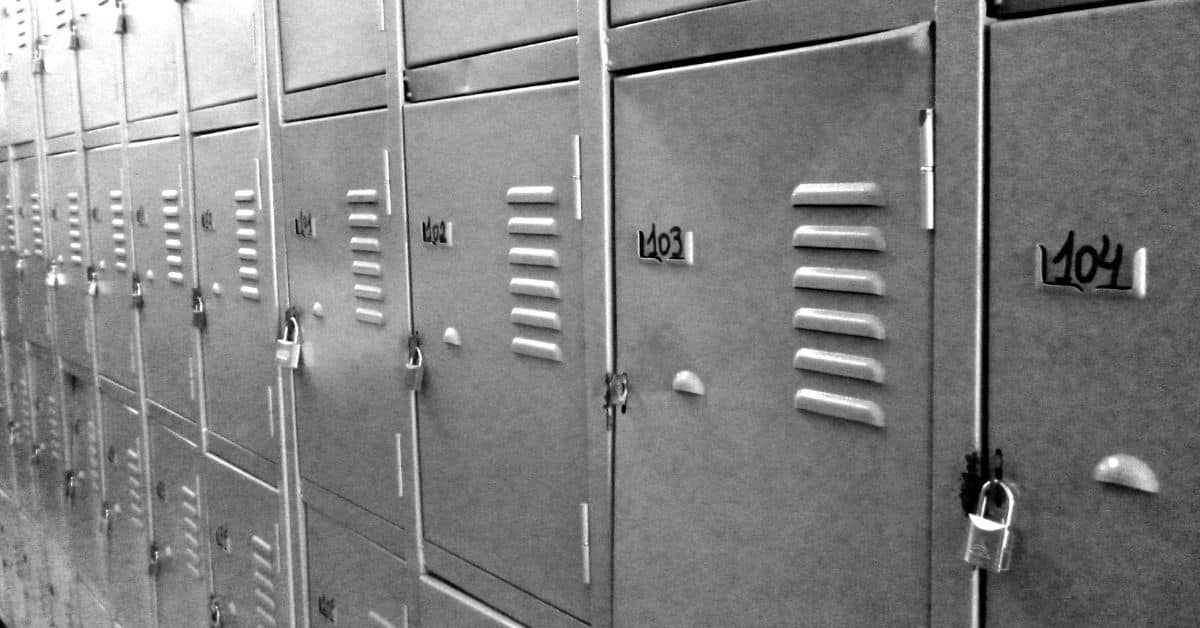
Older buildings, converted spaces, and additions built onto existing structures often create locker room dimensions that standard product lines simply were not designed to fill efficiently. Custom lockers for facilities with these kinds of constraints can be manufactured to fit an irregular alcove, a lower than average ceiling height, or a narrow hallway that would otherwise waste significant space with standard-sized units.
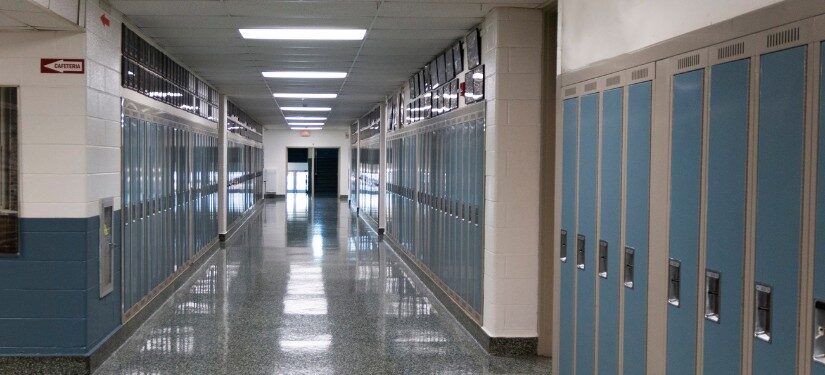
This kind of customization pays off most clearly in facilities where every square foot genuinely counts, like a growing school working within an older building or a gym expanding into a repurposed retail space. Rather than settling for fewer lockers than the space could theoretically hold, a custom dimension order lets a facility maximize storage capacity within whatever architectural constraints already exist.
Facilities investing in custom lockers and benches together, rather than sourcing each separately, tend to end up with a noticeably more polished final result. Matching wood tones, coordinated hardware finishes, and consistent color schemes across both lockers and seating create a cohesive look that feels intentional rather than assembled from whatever happened to be available.
This coordinated approach also simplifies the ordering process itself, since working with a single supplier who understands the full room design avoids the mismatched finishes that can happen when lockers and benches come from two different vendors with slightly different color standards or material sourcing.
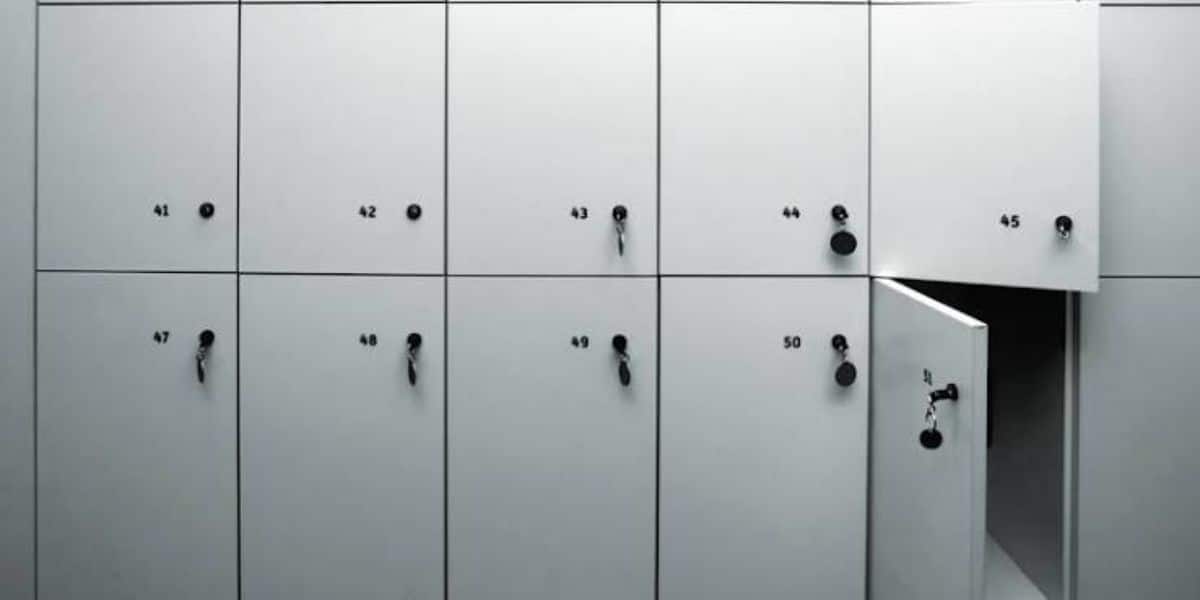
Corporate offices and athletic programs increasingly request branded touches on their locker orders, from team colors on door fronts to a company logo etched onto number plates. These details rarely affect the underlying function of the locker but make a noticeable difference in how the finished space feels, turning a purely functional storage room into an extension of the organization’s identity.
Teams like the one at Lockers Unlimited work with schools, gyms, and businesses to translate these branding requests into practical manufacturing specifications, whether that means matching a specific color code or working out how a logo placement interacts with ventilation slots and hardware positioning on the door front.
Custom orders naturally take longer to manufacture than standard inventory, since color matching, unusual dimensions, or specialized hardware all require additional production steps beyond a facility’s normal manufacturing run. Facilities planning a custom order should budget significantly more lead time than they would for standard units, particularly if the request involves a fully custom dimension rather than just a color or hardware change.
Building this extra time into a renovation or new construction timeline from the very beginning avoids the scramble that happens when a custom order gets requested too close to a target opening date. Suppliers experienced with custom work can usually give a realistic timeline estimate early in the conversation, which helps facilities plan the rest of their project around a locker delivery date with more confidence.
Some materials lend themselves to customization more easily than others, which is worth knowing before settling on a design direction. Steel accepts custom powder coating in a wide range of colors relatively easily, making it a flexible choice for facilities wanting a specific brand color without a major manufacturing complication. Wood accents offer a different kind of customization, allowing for stain matching or unique grain patterns that give a space a more distinctive, upscale feel.
Phenolic and laminate surfaces, while excellent for durability, tend to offer a narrower range of custom color and finish options compared to steel or wood. Facilities prioritizing a very specific custom look should factor this into material selection early, since the desired aesthetic sometimes narrows down which base material actually makes sense for the project.
Custom projects benefit significantly from early input across the people who will actually use the finished space, rather than a design finalized in isolation by whoever is managing procurement. A quick round of feedback from coaches, teachers, or department heads often surfaces practical considerations, like accessibility needs or preferred hook placement, that might otherwise get missed until after the order has already shipped.
Building this feedback step into the project timeline adds a small amount of upfront time but usually prevents costly change requests once a custom order is already in production. Suppliers experienced with custom work can often accommodate a short review period for design mockups before finalizing specifications, giving stakeholders a chance to weigh in while changes remain easy to make.
Not every project benefits from customization, and recognizing when a standard product is the smarter choice saves both time and budget. A facility with a straightforward rectangular room and no particular branding requirements often gets excellent results from standard sizing and finishes, without paying a premium for customization that would not meaningfully improve the final outcome.
Custom orders earn their added cost and lead time specifically in situations involving unusual architecture, strong branding requirements, or a genuine need to maximize an awkward space. Facility managers who honestly assess which category their project falls into, rather than defaulting to custom because it sounds more impressive, tend to make better use of their budget overall.
Choosing a custom locker comes down to matching the level of customization to what your space and goals actually require, rather than assuming more customization automatically means a better result. Whether that means a simple color match or a fully reimagined dimension built around an unusual room, the right approach depends on your building, your brand, and how much value that extra customization genuinely adds.
1. How much more does a custom locker order typically cost?
Simple changes like color or hardware add relatively little to standard pricing, while custom dimensions cost more due to specialized manufacturing. The increase depends on the scope requested.
2. How much extra lead time should I budget for a custom order?
Custom orders generally need several additional weeks beyond standard lead times, especially for unusual dimensions. Confirming a realistic timeline early helps avoid delays near your opening date.
3. Can custom lockers be ordered to match existing branding colors?
Yes, most suppliers can match specific brand colors on door fronts and accessories. Sharing exact color codes upfront helps ensure the finished product matches your branding accurately.
4. Is it worth customizing both lockers and benches together?
Ordering both together often produces a more cohesive look and simplifies the process, since one supplier manages matching finishes. This avoids mismatched colors from separate sourcing.
5. When does a standard locker make more sense than a custom one?
Standard lockers work well for straightforward spaces without unusual dimensions or strong branding needs. Customization adds the most value in irregular spaces or when brand look matters.