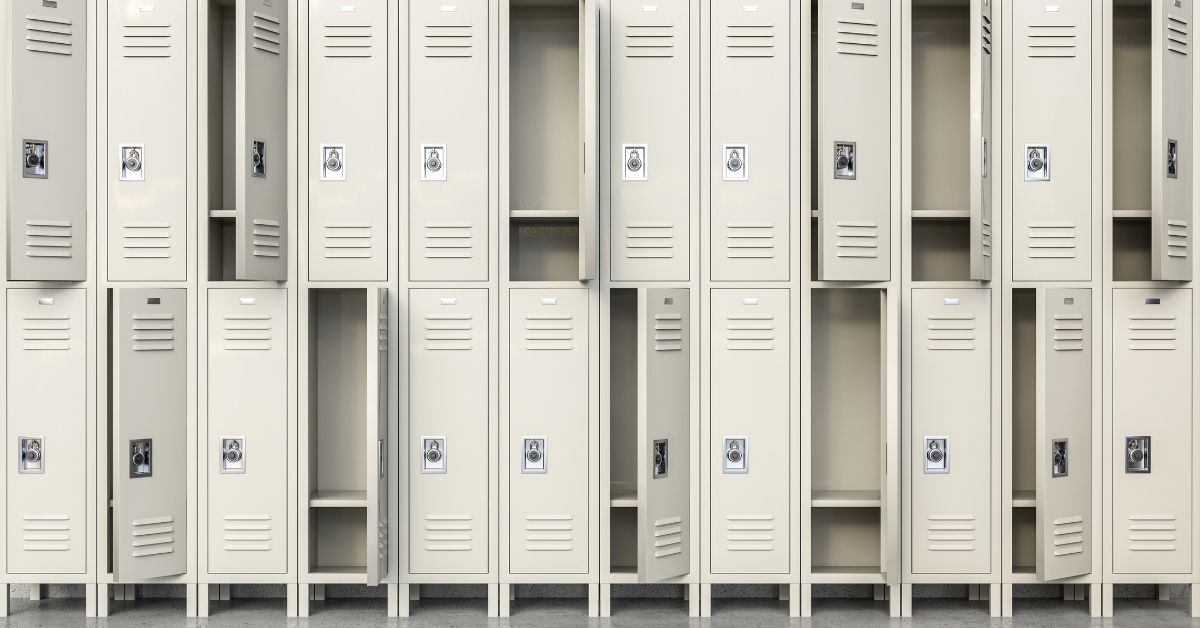

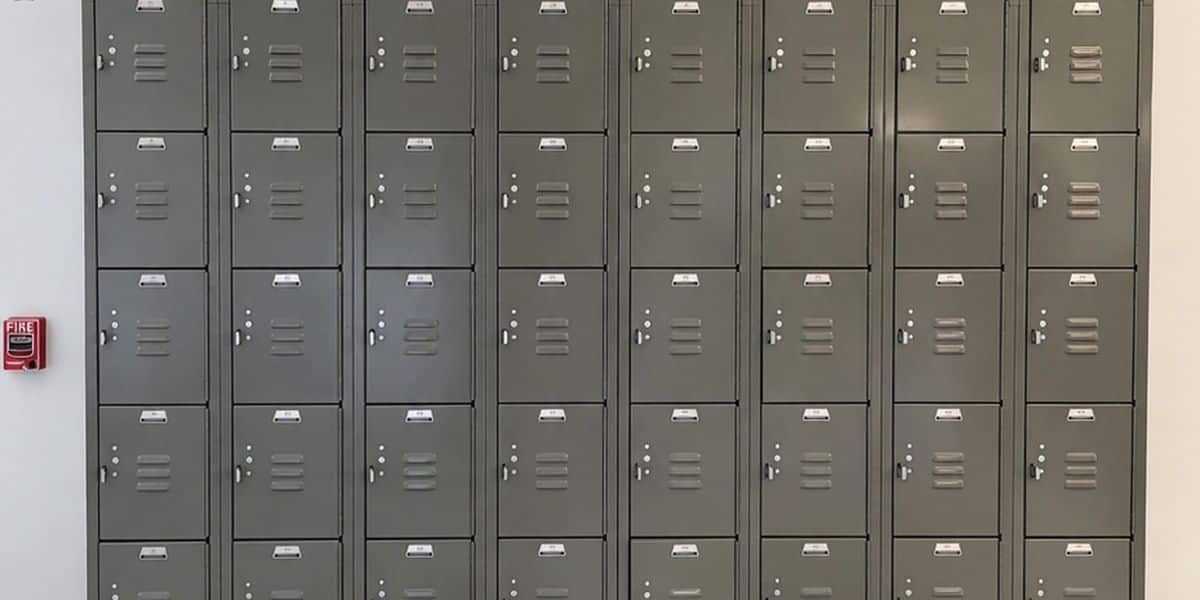
Shopping for metal lockers for sale is easy until you actually start comparing options. Gauge thickness, door style, ventilation, and finish all affect how long a locker lasts and how well it holds up in a school hallway, gym, or industrial break room. The wrong choice means dents, rust, and replacement costs within a few years. The right choice can outlast the building it sits in. Buyers often start by comparing photos online, only to discover that two lockers that look identical can differ dramatically in gauge, hinge quality, and lock compatibility once they arrive. This guide breaks down what actually matters when comparing metal lockers, where steel performs best, how pricing typically breaks down, and how to avoid overpaying for features your space does not need.
Metal lockers have stayed the default choice for schools, gyms, and workplaces for one simple reason. They are durable in a way that wood and plastic alternatives usually are not. A well-built metal locker resists dents, holds up to heavy daily use, and can be repainted or refinished instead of replaced when it starts to show age.
Price per unit also drops significantly when you buy in bulk, which matters for schools outfitting an entire hallway or businesses equipping a large break room. Metal lockers are also easier to source in matching styles years later, so expanding a locker bank does not mean mismatched finishes.
There is also a resale and reuse angle many buyers overlook. Metal lockers hold their value well and can be refurbished and resold when a facility upgrades or downsizes, which is not always the case with plastic or laminate alternatives that degrade in ways that are harder to repair.
Steel remains the benchmark material for a reason. Steel lockers handle impact, resist warping, and support heavier internal shelving loads than laminate or plastic options. They also take standard padlocks and built-in combination locks without the reinforcement that softer materials sometimes need.
Plastic and phenolic lockers have their place in wet environments like pool decks, but for dry indoor spaces such as offices, schools, and gyms, steel remains the more cost-effective long-term choice per dollar spent.
Steel also offers more finish flexibility than most alternatives, from standard baked enamel colors to custom powder coats that match a school or company color scheme. That flexibility makes steel an easy choice when a locker bank needs to fit a specific look rather than settling for whatever finish happens to be in stock.
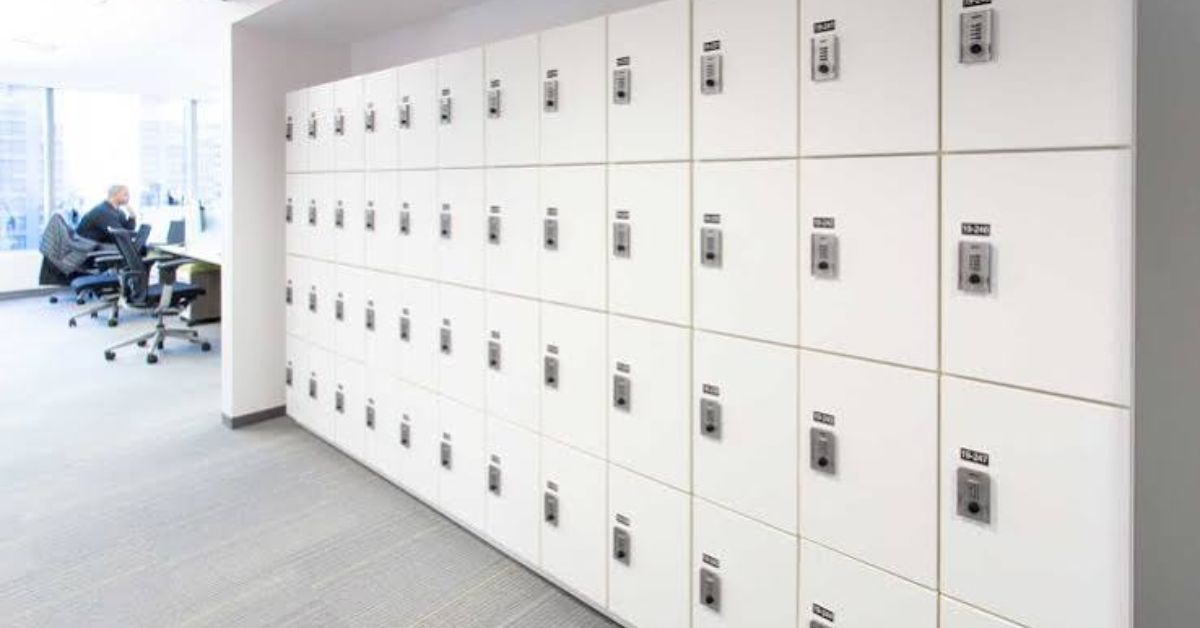
Not every metal locker is built the same. Industrial metal lockers typically use heavier gauge steel, reinforced hinges, and stronger latch mechanisms designed for constant use in warehouses, manufacturing plants, and law enforcement facilities. If your locker bank will see multiple shifts of employees using it daily, this heavier build class is worth the extra cost, since the added durability shows up as fewer service calls and repairs over the years the lockers stay in use.
Lighter gauge lockers work fine for occasional-use spaces like small offices, but they will show wear faster in high-traffic environments. Matching the gauge to your actual use case avoids both overspending and underbuilding.
Facilities that handle sensitive equipment, evidence storage, or regulated materials often need lockers with additional features such as reinforced frames or tamper-resistant hinges. Discussing your actual use case with a supplier before ordering ensures the build class matches what the space genuinely requires rather than defaulting to a standard catalog option.
Check the gauge thickness first, since this single spec drives most of the durability difference between locker lines. Ventilation matters too, especially for gym and athletic use where damp gear needs airflow to avoid odor and mildew buildup.
At Lockers Unlimited, every locker line is broken down by gauge, finish, and lock type so buyers can compare specs directly instead of guessing from a photo. A complete buyers guide style comparison, like the one covering the top options on the market, is worth reading before placing a bulk order.
Price per unit drops as order size grows, which is why schools and large facilities almost always buy in bulk rather than piecing together small orders over time. Finish also affects cost, with baked enamel paint sitting at the lower end and powder-coated or galvanized finishes commanding a premium for their added corrosion resistance.
Lock type adds another variable, since built-in combination locks and digital locks cost more per unit than a simple padlock hasp but save money over time by removing the need to distribute and track separate keys or combinations for a large group of users.
Local suppliers who understand Charlotte building codes and delivery logistics can save weeks compared to ordering from a distant manufacturer with long lead times. They also tend to offer better support if a part needs replacing years down the line, since a relationship with a nearby supplier makes reordering a single hinge or latch far simpler than starting from scratch.
If your facility is based in the Charlotte area, working with a metal lockers Charlotte supplier who can measure your space and confirm installation logistics in person is usually the safer route compared to ordering blind online, especially for larger orders that need to match existing hallway or break room dimensions exactly.
Ask about lead times as well, since gauge and finish availability can vary by season, particularly around back-to-school ordering periods when many suppliers see a spike in demand from schools across the region.
Metal lockers are a long-term purchase, so it pays to compare gauge, finish, and lock type before ordering rather than after installation day. A little research now, including a real walkthrough of your space and an honest look at how the lockers will actually be used, saves a replacement order a few years from now.