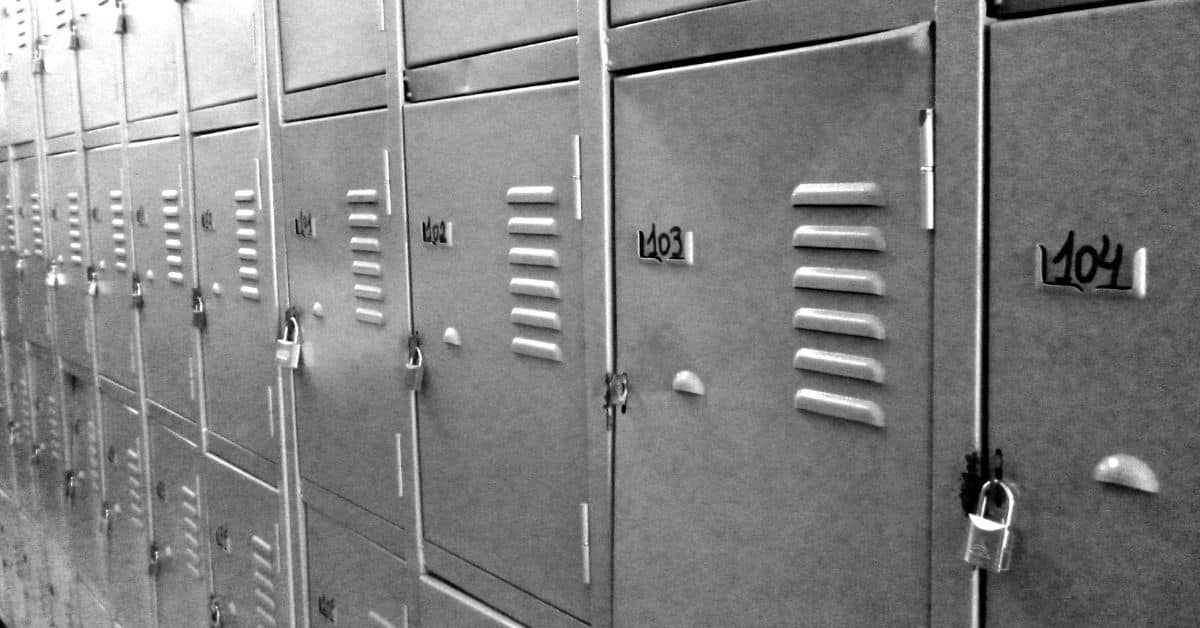
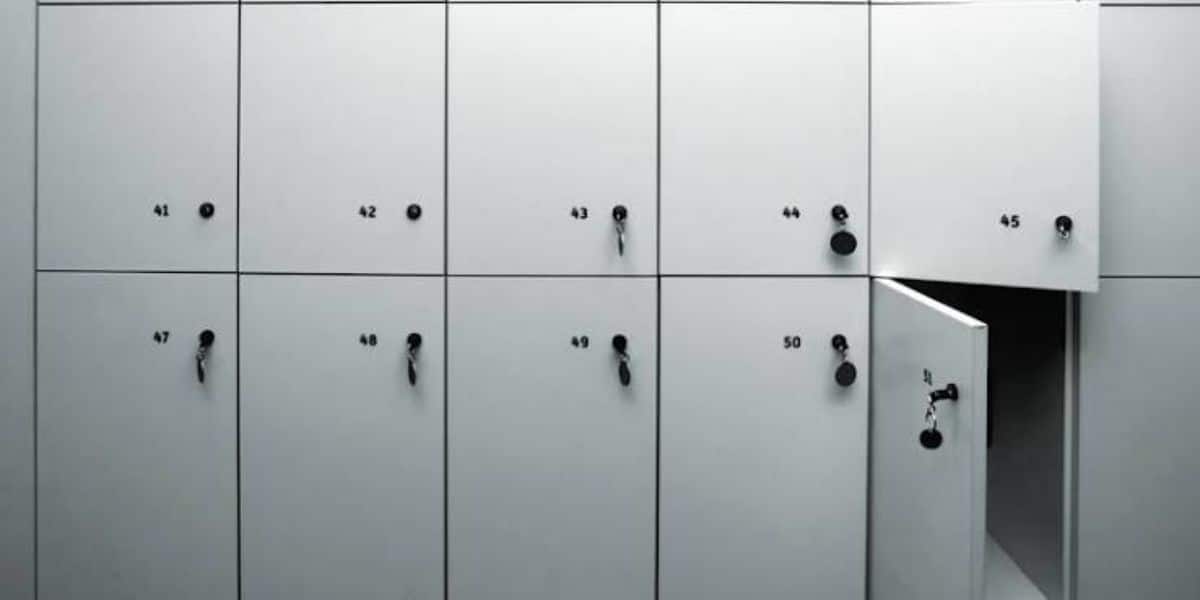
Well-designed locker shelves are removable panels or built-in platforms that create horizontal storage surfaces inside a locker, and they improve student organization by maximizing usable locker space, separating belongings, and making frequently used items easy to reach.
This article explains how shelves for lockers in schools work, why they matter for student organization and health, and how thoughtful selection and installation turn a cramped locker into a reliable storage system. Readers will learn the main problems caused by disorganized lockers, the mechanisms by which school locker shelves improve accessibility and routines, the key benefits for student well-being and classroom productivity, and practical criteria for choosing adjustable locker shelves that fit existing units. The guide uses concise evidence-based reasoning, simple lists, and comparison tables to make selection and implementation actionable for school facility managers and educators. Throughout, terms like locker shelving installation, locker accessories for schools, and heavy-duty locker shelves are used to connect practical choices to measurable outcomes that improve transitions, reduce backpack weight, and support academic focus.
Locker-less or shelf-free lockers often leave items piled on locker floors or shoved into corners, and that disorder directly increases time lost between classes because students must search for materials.
Disorganization creates three main operational problems that affect daily school flow and student routines. The next paragraph lists the top challenges schools face when lockers lack systematic shelving.
Students and staff commonly notice these issues:
The importance of an organized locker for daily school routines is a long-standing recognition in educational practices.
These problems reduce effective learning time and increase daily stress for students and teachers, so addressing them leads naturally to how locker shelves change behavior and storage patterns.
Disorganization in lockers directly reduces available study and transition time because students spend precious minutes locating materials rather than preparing for the next lesson. Misplaced assignments and forgotten textbooks contribute to missed deadlines and incomplete class participation, and this compounds over weeks into measurable declines in grades and engagement. Educational research indicates that predictable routines and quick access to materials correlate with better on-time homework submission and improved classroom focus. Understanding these links clarifies why systems that make retrieval fast such as labeled shelves and compartmentalized storage support consistent academic performance.
Carrying extra books and supplies from insufficient locker space increases musculoskeletal strain and can worsen posture in growing students, particularly when backpacks exceed recommended weight limits. Regularly overloaded bags contribute to shoulder and back pain and increase the likelihood of long-term posture issues if not addressed early. Installing locker storage shelves reduces the daily load students carry by providing a convenient place for heavy textbooks and supplies, which lowers injury risk and supports healthier movement between classes. Recognizing the health benefits of reduced carried weight helps prioritize shelving solutions during facility planning.
Locker shelves transform vertical empty space into usable horizontal zones, and that mechanism creates clear compartments for textbooks, jackets, electronics, and PE gear so students can find items quickly. By defining places for each category of belongings, shelves make retrieval faster and reduce the cognitive load associated with searching, which improves punctuality during class transitions.
Modern approaches to locker design continue to emphasize advanced organizational features, including smart monitoring of shelf usage.
These practical outcomes also map to simple entity-attribute-outcome relationships that illustrate how a shelf changes locker behavior and access.
This table shows how specific shelf features lead to measurable outcomes in student access and storage hygiene. For schools seeking supplier options, Lockers Unlimited offers shelving and locker-accessory product categories that exemplify durable and adjustable options suited to classrooms and corridors. The company’s practical product categories include shelving panels, adjustable brackets, and other locker accessories designed for school storage solutions, and their offerings illustrate how material choice and adjustability link directly to the organizational benefits described above.
Locker shelves deliver multiple interlocking benefits that affect student health, classroom efficiency, and the security of personal items, and these effects compound across a school day to improve learning conditions. The benefits below are organized by attribute and the direct advantage each provides to students and staff. After the short list, a concise EAV-style mapping clarifies how shelf characteristics translate into student-facing improvements.
Indeed, recent research further underscores the profound impact of proper locker installation on both academic outcomes and overall student well-being.
To illustrate attribute-to-benefit links, review this comparison:
This table clarifies how selecting particular shelf attributes produces tangible benefits for students. Together, these improvements reduce time wasted, lower injury risk from heavy backpacks, and create an environment where teachers can focus on instruction rather than repeated locker-related disruptions.
Shelves reduce the need for students to carry all materials between classes by providing a stable place to store heavy textbooks and sports gear, and that mechanism lessens load-bearing on backs and shoulders. Regular use of locker storage shelves encourages students to leave nonessential items in their lockers, which lowers daily carried weight and reduces acute and chronic strain. Practical examples show that even one heavy book stored in a locker for most of the day cuts carried weight by a significant percentage, improving comfort and reducing complaints of soreness. These ergonomic advantages make shelving a cost-effective intervention in school health strategies.

When lockers are organized with clear shelf zones, students arrive to class prepared and with fewer distractions, and this streamlined transition reduces lost instructional minutes. Teachers encounter fewer interruptions for missing materials, which preserves momentum in lessons and allows consistent pacing of curricula. Cleaner corridors and fewer items left in classrooms also reduce safety hazards and foster a culture of responsibility that supports schoolwide routines. The cumulative effect is more focused instruction time and improved conditions for academic success.
Choosing locker shelves requires matching material, weight capacity, and adjustability to the school’s program needs, and careful measurement of locker dimensions ensures compatibility before ordering or installing any accessory. A simple selection checklist helps decision-makers balance durability, ventilation, retrofit ease, and budgetary constraints. The following checklist outlines practical steps facility managers can follow to choose appropriate locker storage shelves.
After selecting criteria, compare common shelf types with pros and cons in the table below to aid purchasing decisions.
This comparison helps planners choose whether adjustable locker shelves, heavy-duty locker shelves, or ventilated wire options best meet school needs. When installation and fit are priorities, some schools prefer to engage a specialist installer for professional assessment and secure mounting to reduce liability and ensure longevity.
Different shelf hyponyms adjustable locker shelves, metal locker shelves, plastic locker shelves, and wire locker shelves serve distinct use cases in school settings, and material choice should align with expected load and environmental conditions. Metal panels excel where textbooks and repeated use demand high capacity, while plastic panels offer a budget-conscious retrofit option that resists moisture. Wire shelves allow airflow and cut odors from athletic gear, which supports PE and locker-room environments. Evaluating these trade-offs by grade level and program clarifies which shelf type optimizes daily student use.
Lockers Unlimited provides custom shelving and locker accessory options tailored to school requirements and offers professional installation to ensure safe, secure fit and long-term durability. As a provider of school storage solutions with established product categories in shelving and locker accessories, the company focuses on durable, adjustable solutions that match common locker dimensions and support facility maintenance goals. Schools seeking planning support can request a free quote and project consultation to evaluate retrofit needs and installation scheduling. Choosing a provider that combines product selection with professional installation reduces risk and helps ensure locker shelving yields the organization and health benefits described earlier.