Gym lockers deal with a rougher daily routine than almost any other type of storage. Sweat, moisture, slammed doors, wet towels, and constant traffic all take a toll that lighter-duty lockers simply weren’t built to handle. If you’re outfitting or replacing gym lockers, understanding what actually separates a locker that lasts a decade from one that’s falling apart in two years comes down to a handful of specific construction and material choices.
Material Matters More Than Most People Realize
Standard cold-rolled steel is common in general-purpose lockers, but gym environments benefit from thicker gauge steel and corrosion-resistant coatings that stand up to constant moisture exposure. Phenolic lockers, made from dense resin-based material, have become a popular alternative for high-humidity gym and pool settings specifically because they don’t rust and hold up exceptionally well to constant dampness.If your gym locker room sees regular moisture from showers, pools, or just sweaty gear, it’s worth weighing phenolic or heavily coated steel options over standard finishes, even though the upfront cost tends to run higher. The reduced replacement frequency usually makes up the difference over a few years.
Coatings and Finishes That Resist Corrosion
Powder coating is the industry standard finish for a reason – it’s more durable than traditional paint and resists chipping, which matters a lot in gym settings where lockers get slammed, kicked, and scraped by bags and equipment daily. Look for coatings specifically rated for high-humidity or wet environments if your facility includes pool areas or heavy shower traffic near the locker room.Rust typically starts at chipped or scratched spots where the coating has failed, so a higher-quality initial finish pays off by delaying that first breach point that eventually spreads into a larger corrosion issue.
Hinge and Latch Design Under Heavy Traffic
Doors are usually the first thing to fail on gym lockers, simply because they get opened and slammed shut more times per day than almost any other component. Continuous piano hinges, which run the full height of the door rather than using two or three small hinge points, distribute stress more evenly and hold up better under constant use than standard hinge designs.Latches matter just as much. A latch mechanism that requires a hard slam to catch will get slammed harder over time, accelerating wear on both the latch and the door itself. Smooth, positive-catch latches reduce that habit and extend the life of the whole unit.
Ventilation Design Affects Longevity, Not Just Odor
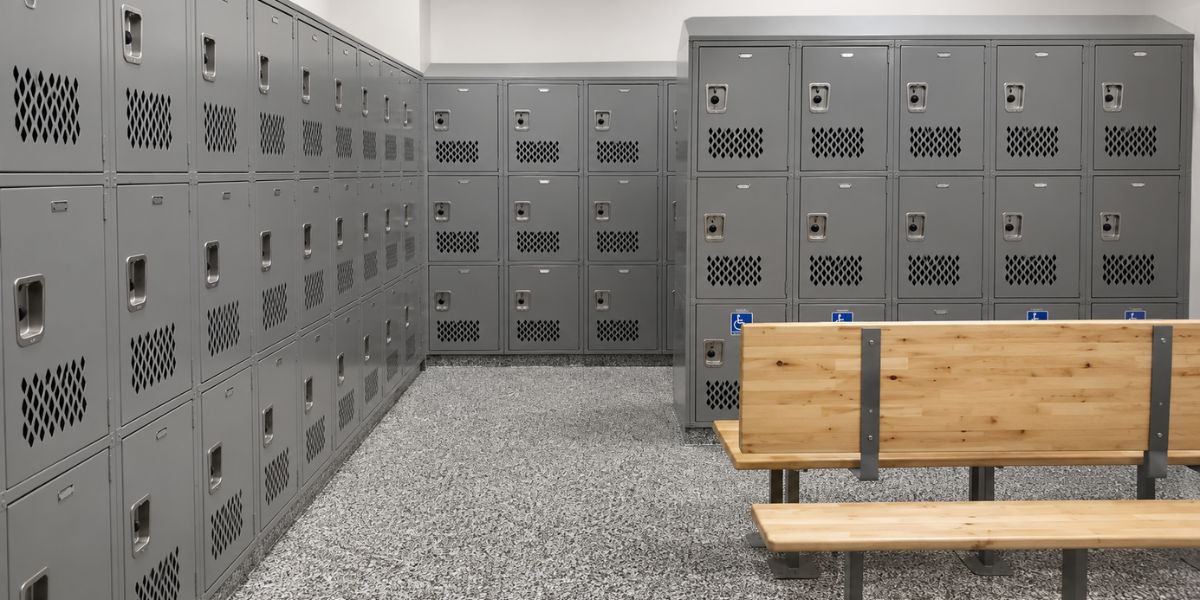
Poor ventilation doesn’t just create smell problems – trapped moisture inside a locker accelerates rust and material breakdown from the inside out. Perforated or louvered doors allow damp gear to dry between uses rather than sitting in an enclosed, humid box, which meaningfully extends the life of both the locker and whatever’s stored inside it.This is one of the more overlooked factors in gym locker durability, since the damage happens gradually and out of sight until a door or back panel starts showing rust from the inside.
Base and Foot Design in Wet Environments
Gym locker rooms often have wet floors, whether from showers, pool traffic, or just general moisture. Lockers with a raised base or corrosion-resistant feet hold up significantly better than units sitting flush against a constantly damp floor. Over time, flush-mounted bases in wet environments are one of the most common failure points, since rust develops from the ground up where it’s hardest to spot during a casual inspection.
Choosing the Right Build for Your Facility
At Lockers Unlimited, we typically walk gym and athletic facility clients through material options based on their specific moisture exposure, since a locker room next to an indoor pool has very different needs than a dry-climate fitness studio. Browsing our new lockers selection is a good starting point to compare phenolic, coated steel, and standard options side by side. If budget is a factor, our used locker inventory sometimes includes solid, moisture-resistant units at a lower price point than ordering new.Whatever you choose, our locker installation services team can help make sure the base, ventilation, and hinge setup are installed correctly from day one, since even the best-built locker underperforms if it’s not set up properly for the environment it’s going into.
Phenolic lockers and heavily coated, thick-gauge steel tend to hold up best in gym environments, particularly where moisture exposure from showers or pools is a regular factor.
Why do gym locker doors fail before the rest of the unit?
Doors absorb the most repeated stress from daily opening, closing, and slamming, which is why hinge and latch quality has an outsized impact on overall locker lifespan.
Does ventilation actually affect how long a locker lasts?
Yes, trapped moisture inside poorly ventilated lockers accelerates internal rust and material breakdown, even if the exterior finish still looks fine on the surface.
Are phenolic lockers worth the extra cost over steel?
For high-humidity environments like pool-adjacent locker rooms, phenolic lockers often justify the higher upfront cost through significantly reduced corrosion and replacement frequency over time.
How does floor moisture affect locker durability?
Lockers sitting flush against consistently wet floors are prone to base and foot corrosion, which is why raised bases or corrosion-resistant feet matter in gym and pool locker rooms specifically.
What's the most overlooked factor in gym locker longevity?
Ventilation design is often overlooked since its effects build up gradually and out of sight, but it plays a major role in preventing internal rust and material breakdown over time.
At Lockers Unlimited, we combine innovation, quality, and excellent customer service to deliver the best storage solutions for your needs. From design to installation, we’re here to help every step of the way.
Ready to upgrade your space with our new lockers? Contact us today to discuss your project and find the perfect solution for your needs.