
Buying commercial lockers is less about picking a color and more about understanding how people use a space. A warehouse crew hangs wet gear and boots. A clinic team needs a secure spot for bags and phones. A manufacturer has shifts that overlap for twenty minutes and then vanish. Each pattern points to a different locker. This guide walks through the questions that decide the order, with simple arithmetic you can adapt to your own headcount.
List your groups before you list products. Day shift, night shift, contractors, seasonal staff, and visitors all use storage differently. Note when each group arrives, what they carry, and how long they stay. A locker that works for a ten-minute shift change may fail for staff who store lunch, a jacket, and a change of clothes all day.
Ask three questions for each group.
Answers to these three questions narrow the field faster than any catalog.
Assigned lockers give each person a permanent spot, which is simple and popular. Shared lockers reduce the count when staff never overlap. Here is a worked example.
A plant employs 120 people across three shifts of 40, and the shifts do not overlap.
The shared plan needs 76 fewer lockers, which also saves floor space. The trade-off is hygiene and trust. People share a locker with colleagues, so you need a clear cleaning routine and a lock system that resets between users. If your team is small or your people prefer privacy, assigned lockers are still a good choice.
Material should follow the environment. A dry office has different needs from a wet wash bay.
Steel remains the workhorse. If you want to compare options in detail, this buyer’s guide to metal lockers breaks down styles and uses. Plastic shines where moisture is constant, and laminate gives a finished look to front of house areas where appearance counts.

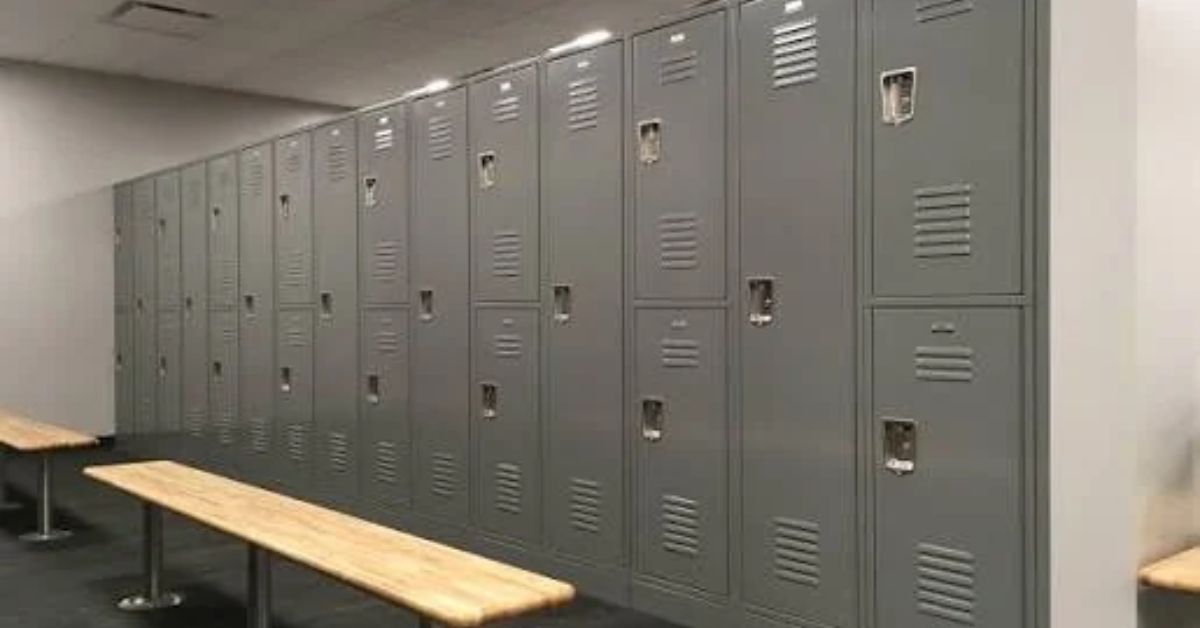
Not every commercial space needs the same locker. Office staff often need a place for a bag, a jacket, and a few valuables, so shallow, tidy units work well. Hybrid teams hot desking through the week may do better with day-use lockers, which turn over daily. For these settings, office lockers tend to prioritize appearance and quiet doors.
Work floor lockers face rougher treatment. Staff arrive in boots, wear safety gear, and often store damp clothes. These units need tougher finishes, deeper compartments, and ventilation. If your site has both settings, order two types instead of forcing one model to do both jobs.
The lock decides how much daily work your team and your administrators take on.
Ask who will manage lost keys or forgotten codes. If your answer is nobody, choose a system that handles resets without a service call. Also check whether a master key or override is needed for safety checks.
Measure real items instead of guessing. A jacket, lunch bag, and phone fit most small openings. A hard hat, work boots, and a change of clothes need much more. Wide or tall lockers cost more, but a locker too small gets ignored, and then items pile up in aisles.
For a clean decision, place the largest typical item inside a spare locker or a cardboard mock-up. If it fits with room to spare, the size is right. If you must squeeze it in, go up a size.
Placement can matter as much as the locker. Keep banks near entrances and break areas so staff do not walk far. Leave enough aisle space for doors to open fully and for two people to pass. Avoid placing lockers where they block exits, fire equipment, or utility access. Check accessibility needs with your architect or inspector early. For more detail on planning space, see this locker room dimensions and space planning guide.
Not every locker bank deserves the same investment. Spend first where abuse is highest and where safety is involved. Work floor lockers, wet areas, and shared banks take the hardest wear, so they deserve sturdier finishes and better locks. Front of house office units face less abuse and can use lighter finishes. If you must phase the project, install the busiest rooms first and plan the rest for the next budget cycle. Used or refurbished units can cover secondary areas such as storage rooms or overflow space, as long as you inspect them before buying.
Commercial lockers see daily use for years, so plan for upkeep. Schedule a yearly check of hinges, latches, and locks. Replace damaged doors before they snag clothing or injure someone. Keep a few spare parts on hand, such as number plates and hooks, so repairs take minutes instead of weeks.
A small set of spare lockers helps too. When one unit is damaged, a spare lets you fix the problem without leaving a staff member without storage. Keep a simple log of which locker belongs to whom, when locks were last reset, and which units have open repair tickets. A one-page record saves hours when an audit or a lost key request lands on someone’s desk.
Before you approve an order, ask how the lockers arrive and who sets them up. Flat-packed units are cheaper to ship but need assembly time, while assembled units arrive ready to place. Ask whether anchoring hardware is included and whether leveling on uneven floors is part of the job. Clarify who removes old lockers and when the crew can get into the room. A clear scope in writing avoids arguments on delivery day.
A short brief gets you accurate pricing quickly. Gather your headcount, shift pattern, room dimensions, and the gear people carry. Lockers Unlimited is a locker and bench supplier in Charlotte, North Carolina, and can help match units to your space. Share those details and request a free quote so you can compare a real plan before committing.
1. What are commercial lockers used for?
Commercial lockers give employees, members, or visitors a secure place for belongings. You will see them in warehouses, offices, gyms, clinics, schools, and factories, each with different sizes and locks.
2. How many commercial lockers do I need?
Count the people who need storage at the same time, then add about ten percent. Shared systems need fewer lockers than assigned ones when shifts do not overlap.
3. Are metal lockers better than plastic for businesses?
It depends on the room. Steel suits warehouses and shared staff rooms. Plastic handles constant moisture better, so it works well in wash areas, kitchens, and near pools.
4. What type of lock works best for staff lockers?
Choose based on who manages resets. Keyed locks are simple, combination locks remove keys, and digital locks suit shared use because administrators can change access without replacing hardware.
5. Can commercial lockers be shared between shifts?
Yes, when shifts do not overlap. Plan a cleaning routine and a lock system that resets between users, and keep a small buffer for absences and new hires.