
Football lockers have a harder job than storage in almost any other sport. One player may stash a helmet, shoulder pads, pants, cleats, practice jerseys, and a towel, and all of it needs to dry before the next session. Size the room wrong and gear ends up on the floor. Size it right and a room full of players stays orderly on a Friday night. Here is how to plan one, starting with the gear and ending with the football lockers that suit your program.
Walk through a typical equipment bag and list every item. Helmets and pads are bulky and need space they can breathe. Cleats and practice gear arrive damp. Street clothes, a phone, and a wallet need a spot too, ideally one that can be locked. When you write the list out, you learn quickly that a shallow gym-style locker will not handle a full football kit.
Three needs usually rise to the top.
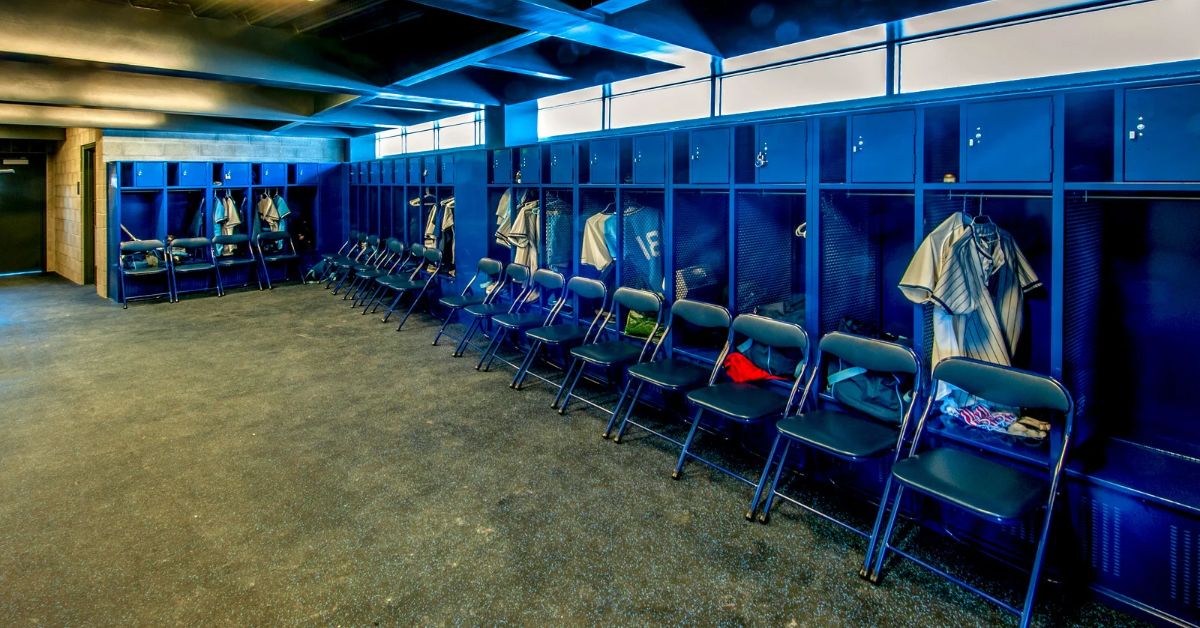
Open front or stadium-style lockers handle the first two well because gear stays visible and ventilated. Doors with perforations offer a middle ground when you want some privacy.
Say a program carries 85 players across varsity, junior varsity, and freshman squads. Assume each locker opening is 24 inches wide, which gives bulky gear room to sit side by side.
Few rooms have 85 uninterrupted feet on a wall, so plan for a mix. Put varsity in the main room, give junior varsity a second row or a nearby space, and consider double-tier units for squads with lighter equipment. The goal is to see the shortfall on paper, where fixing it costs nothing.
Not every player needs the same opening. A uniform room is easier to order, yet a little variation can save money and wall length. Treat the table below as a starting point and check it against what your players actually carry.
| Group | What they usually carry | Planning note |
|---|---|---|
| Linemen | Often the bulkiest kit | Consider the widest openings |
| Skill positions | Standard pads and gear | Standard width may work |
| Specialists | A lighter bag and cleats | Shorter or double-tier units |
| Managers and staff | Minimal gear | Triple tier or a shelf |
Even if you use one size for everyone, think about where each group sits in the room. Putting the widest lockers near the door lets larger groups move in and out without a jam. Keeping specialists and staff together shortens the walk to the training room.
Planning football lockers for high school use comes with its own pressures. Rosters change every year, the room may be shared with other sports, and the budget often has to cover the whole building. A few habits help.
Giving every player a space of their own matters more than it sounds. A player with a locker that is clearly theirs tends to keep gear organized, which cuts down on lost equipment and messy floors.
A used set can stretch a tight budget, especially for a second room or a program that is just getting started. If you are exploring used football lockers for sale, inspect them with a checklist.
A fresh coat of paint and new hardware can make older units look consistent in a room. You can also browse current used inventory to see what is on hand before deciding between used and new.
Airflow is the difference between gear that dries overnight and gear that smells by Wednesday. Lockers raised on legs or bases with open space underneath make the floor easier to clean and let air move. Perforated doors, sides, or backs help in the same way.
Inside the locker, hooks and shelves matter more than you might expect. A sturdy hook holds a jersey or pads without bending. A shelf keeps a helmet off the floor. Coat rods help when players hang practice jerseys and street clothes. These parts cost little next to the locker itself, so check what is included and what is extra.
A football locker room works hard from August through November, then sits quiet before spring practice. Build a simple routine. Empty lockers and wipe interiors during the bye week and again at the end of the season. Leave doors open during breaks so air can move. Check hinges and latches before each season, and replace anything that sticks. Small repairs done early keep a minor issue from turning into a damaged locker. If a unit is beyond saving, replacing one is easier than replacing a whole bank, so keep a spare or two in the plan.
Wet pads and muddy cleats can leave a room smelling after a long weekend. Open front lockers and perforated doors help air flow, but habits matter too. Ask players to take uniforms home to wash, empty trash bins daily, and set aside a regular cleaning day for the room.
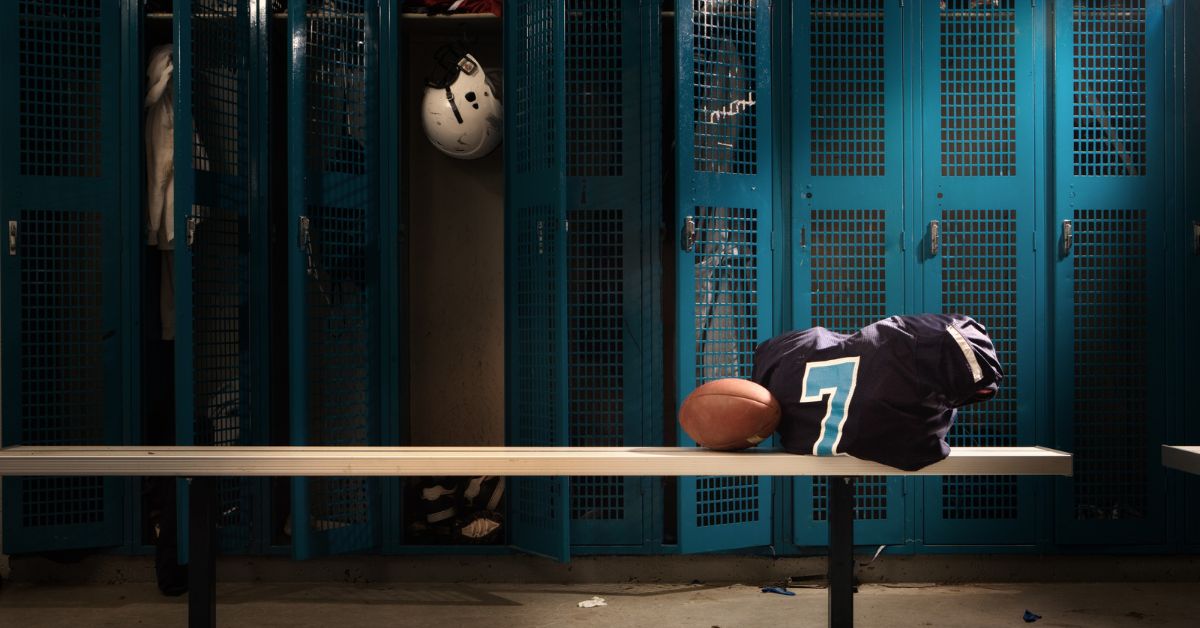
Players change fast between practice and meetings, and they need somewhere to sit while they lace cleats and wrap ankles. A bench in front of the locker run is usually the answer, but it eats floor space. If the aisle gets too tight, players bump into each other, and doors cannot open fully. Walk the room with a tape measure and allow space for two players to pass while a third sits. You can look at the locker room benches available before locking the layout.
When money is tight, a few choices protect the most value.
Keep a short list of what the room cannot go without: airflow, secure compartments, and enough benches. Everything else can be phased in across seasons.
You do not need a finished design to start. A roster count, a room measurement, and a target date are enough. Lockers Unlimited works with schools and facilities across Charlotte, North Carolina, and can help turn your numbers into a layout.
1. What size should football lockers be?
Football gear needs more room than most sports, so plan wide, tall openings with shelf space for helmets and pads. Confirm exact dimensions against your gear and room before ordering.
2. Are open front football lockers better than solid doors?
Open front and vented designs let gear dry and stay visible, which suits football equipment. Solid doors add privacy but trap moisture, so many programs choose ventilation first.
3. How many football lockers does a high school need?
Count the largest roster from recent seasons, then add a small cushion. Include varsity, junior varsity, freshman, and managers so every player who keeps gear on site gets a space.
4. Is it okay to buy used football lockers?
Yes, if the units pass inspection. Check doors, hinges, frames, and the base for rust, then price any needed hardware. Used units suit secondary rooms and tight budgets well.
5. Do football lockers need benches?
Most rooms benefit from them. Players sit to change shoes and tape ankles, so allow bench depth and enough aisle space for others to pass without blocking open doors.