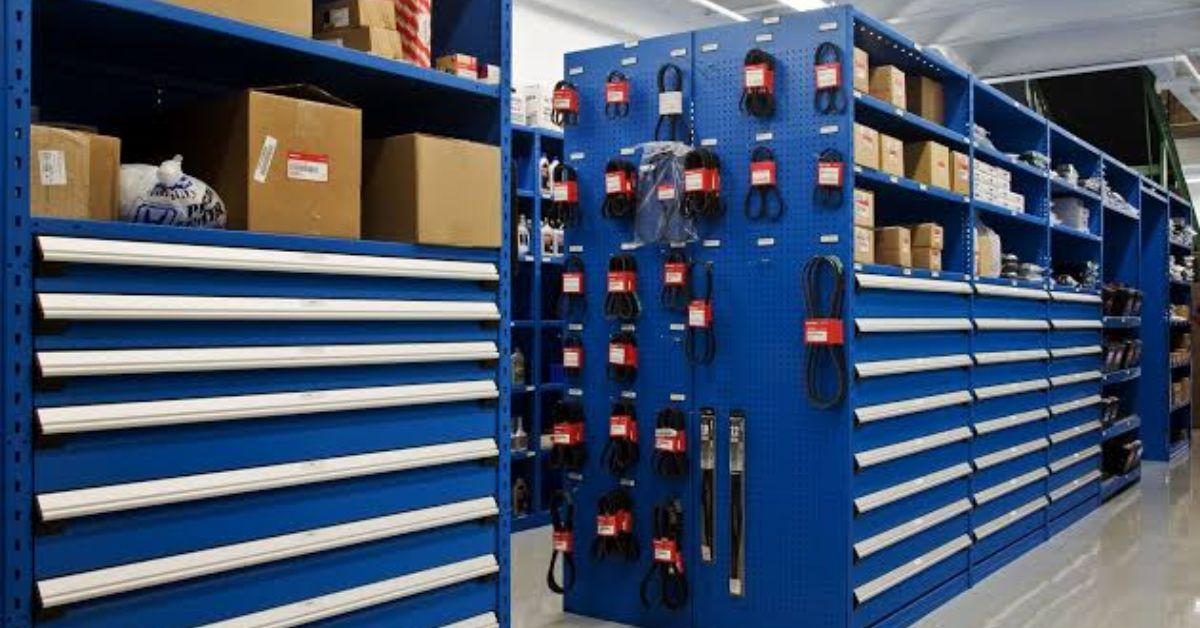
A shop cabinet takes more abuse than almost anything else on the floor. Doors get yanked open with greasy hands, carts bump the corners, and shelves hold parts that weigh more than anyone planned for. The wrong cabinet shows up fast as sagging shelves and doors that no longer close.
Industrial storage cabinets are built for that kind of work, but they are not all built the same. This guide explains steel gauge in plain numbers, what all welded construction means, how to lay cabinets out so doors and aisles work, and how finish and care affect life. Lockers Unlimited lists industrial metal cabinets with all welded steel, a textured powder coat finish and 12, 14 and 16 gauge options, so those are the examples used here.
Industrial cabinets store tools, equipment, parts and supplies in warehouses, shops and fabrication facilities. They are not personal lockers. A locker holds one person’s belongings behind one door. A cabinet holds shared stock that many people need to find quickly, so shelving, door style, and organization matter more than privacy.
If you are choosing storage for people and not for parts, start with the guide to industrial metal lockers. Cabinets are the right choice when the question is where the tools and supplies go, and lockers are the right choice when the question is where employees keep their things. Many facilities need both.
Think about what will live in the cabinet before you shop. Hand tools, power tool batteries, fasteners, cutting fluids, gauges, safety gear, and spare parts all have different weights and habits. A cabinet that suits light fasteners may be wrong for dies and fixtures, and mixing them leads to overloaded shelves.
Gauge is a number that stands for thickness, and the scale runs backward. A lower gauge number means thicker steel. For standard sheet steel, 12 gauge is 0.1046 inch thick, 14 gauge is 0.0747 inch, and 16 gauge is 0.0598 inch. Coated and stainless steel sheets differ slightly, so these are plain steel values.
Now compare them. The thickness of 12 gauge divided by 16 gauge is 0.1046 divided by 0.0598, which is about 1.75, so 12 gauge steel is roughly 75 percent thicker. Weight tracks thickness. A cabinet shell with 30 square feet of sheet steel weighs about 30 times 2.5, or 75 pounds, in 16 gauge, and 30 times 4.375, or about 131 pounds, in 12 gauge. The shell example is for illustration, since real cabinets also have shelves, frames, and hardware.
Remember that thickness is not the only source of strength. Folded edges, reinforcing channels, and welded shelf supports let a cabinet carry more than its sheet thickness suggests. That is another reason to ask for the rated capacity and not to compare cabinets by gauge alone.
The right steel gauge depends on what a cabinet needs to hold and how it will be used. Thicker steel offers better resistance to dents and heavy loads, but it also increases the cabinet’s weight and cost. Thinner steel is easier to move and can work well for lighter storage needs.
Here is a general comparison:
Consider transportation and installation before choosing a heavier cabinet. Thicker steel can make a cabinet more stable, but moving it to another location may require additional equipment and handling.
Shelf capacity is another important consideration. It depends on the shelf design, reinforcement, spacing, and how weight is distributed. Check the manufacturer’s rated capacity for each shelf and the complete cabinet before loading it.
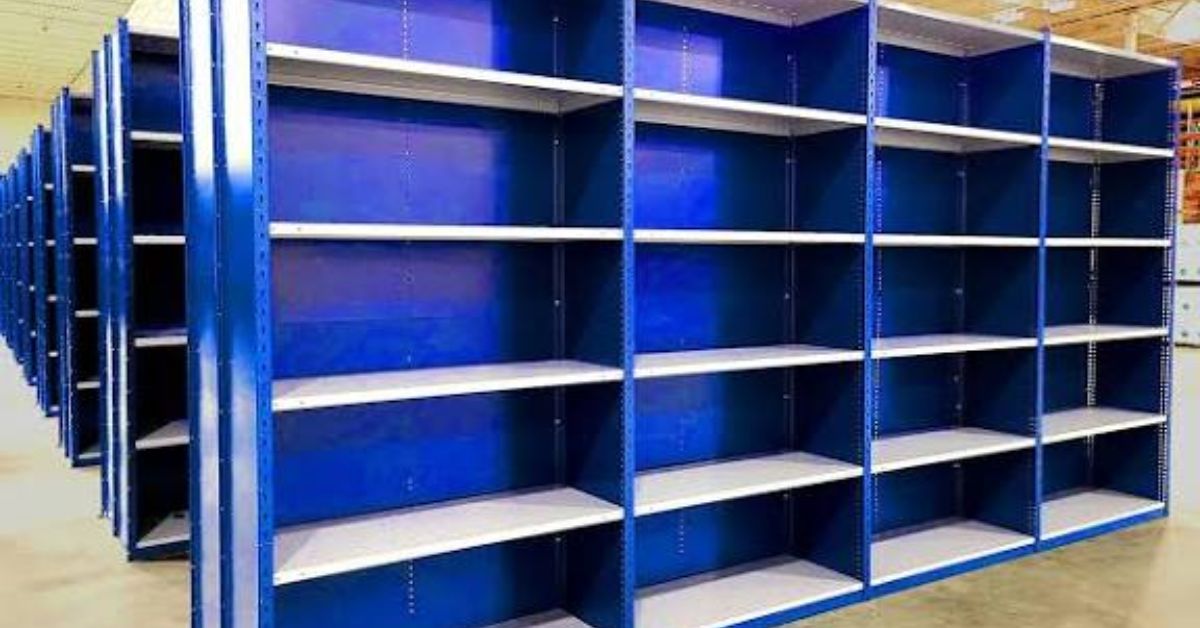
An all-welded cabinet has its steel panels joined at the factory and arrives ready for use. Since the main structural joints are welded, there is no need to assemble those connections with bolts at your facility.
This construction is useful in workshops where cabinets hold heavy tools, equipment, and parts. The welded frame provides rigidity and reduces the need for on-site assembly.
One thing to consider is delivery access. Welded cabinets arrive fully assembled, so they need enough space for transportation and installation. Measure doorways, hallways, loading docks, and the final placement area before ordering. Remember to account for turning space, too.
Moving a fully assembled cabinet may require additional handling equipment. Check the cabinet’s weight and follow the manufacturer’s installation instructions. If your facility has narrow access points or regularly changes its storage layout, ask about assembled or knock-down alternatives.
Cabinet placement can affect how easily employees access tools and move around a workshop. Check door clearance before deciding where each cabinet will go.
For example, a cabinet with a 36-inch-wide door needs enough clearance for the door to open without hitting nearby equipment or another cabinet.
Consider two cabinets facing each other across a 48-inch aisle. If both have 36-inch doors that open toward the aisle, there may not be enough room for both doors to open fully at the same time. Moving the cabinets farther apart, changing their positions, or choosing narrower doors can help.
Mark the cabinet positions and door swing areas on the floor with tape before installation. Walk through the space with a cart to check whether employees will have enough room to move equipment and access stored items.
Think about where employees use their tools and supplies. Keep frequently used items close to workstations, place heavier materials on lower shelves, and label cabinets so employees can find what they need. If the facility also needs employee storage, this guide to choosing the right size for new metal lockers in your warehouse can help with planning.
Leave enough room for open cabinet doors, standing space, carts, and regular maintenance. A layout that works on paper should also work during a normal workday.
A textured powder coat finish is commonly used on industrial storage cabinets because it helps protect the steel from everyday wear, scratches, and corrosion. Its textured surface can also make minor scuffs less noticeable.
The coating still needs proper care. Moisture, chemicals, and damaged areas can expose the steel underneath, so inspect the finish regularly and address chips before they lead to rust.
A few maintenance steps can help keep cabinets in good condition:
Check these areas at least once a month, particularly in busy workshops where cabinets receive frequent use.
Before choosing an industrial metal cabinet, compare the steel gauge, dimensions, construction, finish, and manufacturer-rated load capacity. Consider the materials you need to store and the available space in your facility.
For help comparing available options, contact a storage specialist Monday through Friday, 8 a.m. to 5 p.m., and ask for the industrial metal cabinet line card.
1. What gauge steel is best for industrial storage cabinets?
The right gauge depends on the cabinet’s intended use and storage load. Heavy tools and equipment may require thicker steel, such as 12 gauge, while lighter supplies can often be stored in 14 or 16 gauge cabinets.
2. What does all welded mean on a storage cabinet?
An all-welded cabinet has its steel panels joined at the factory. It arrives as one assembled unit, eliminating the need for on-site assembly of its welded structural joints. However, its size must be considered during delivery and installation.
3. How thick is 12 gauge steel?
Standard 12 gauge sheet steel is approximately 0.1046 inches thick. By comparison, 14 gauge measures about 0.0747 inches and 16 gauge measures about 0.0598 inches. A lower gauge number indicates thicker steel.
4. How much weight can a cabinet shelf hold?
Shelf capacity depends on its construction, reinforcement, and weight distribution. Check the manufacturer’s rated capacity for each shelf and the complete cabinet rather than estimating capacity from steel gauge alone.
5. Can industrial storage cabinets be customized?
Yes. The industrial cabinet line offers customizable configurations, multiple steel gauge options, and a powder coat finish. Share your storage requirements, available dimensions, and intended use with the supplier to identify suitable options.