
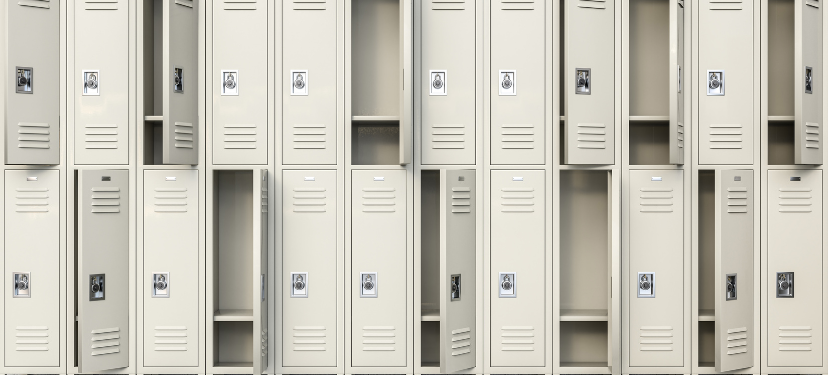
Not everyone needs a locker for months at a time. Sometimes a visitor just needs somewhere safe to stash a bag for a few hours, and that is exactly the gap that day use lockers fill. These units are built for short stays rather than long-term assignments, which makes them a natural fit for places where people come and go all day long. If you manage a facility with constant foot traffic, understanding how these lockers work can save you both space and money.
Day use lockers are becoming more common because modern spaces are more fluid than they used to be. People rent desks by the hour, attend one-day events, or drop into a gym for a single class, and none of those situations call for a locker that is permanently assigned to one person.
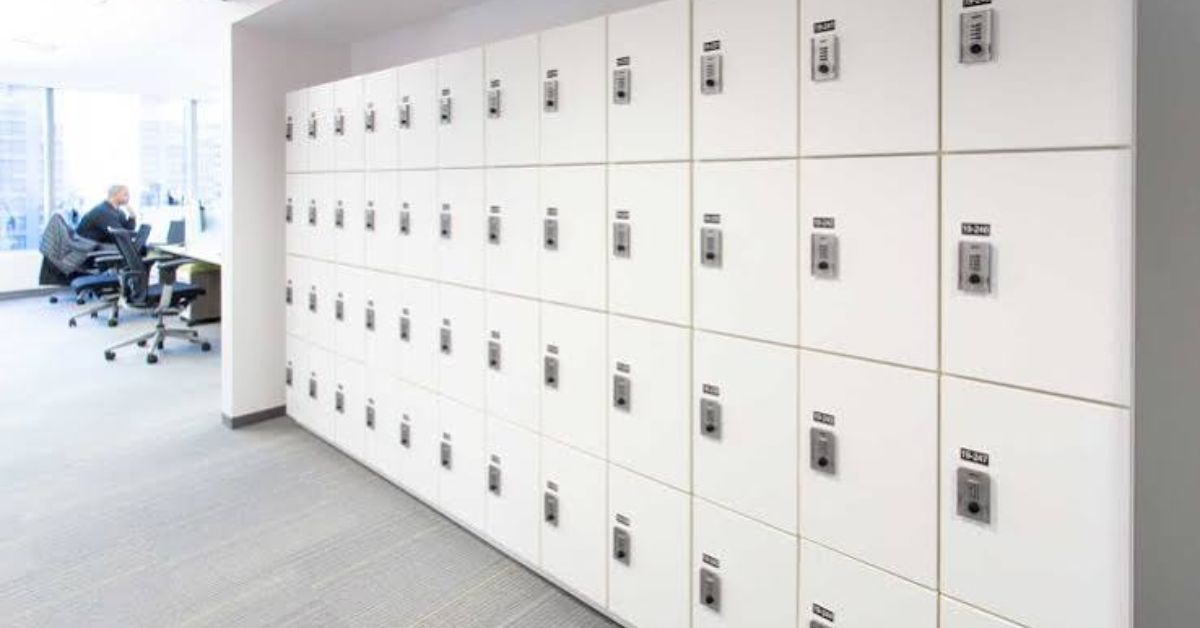
At their core, day use lockers are storage units designed for repeated, short-cycle use rather than a single long-term tenant. Instead of assigning one locker to one person indefinitely, the same compartment might serve five or six different visitors across a single day. This turnover is the whole point, and it is why these units are sometimes grouped under the broader label of hourly lockers, since payment and access are typically tied to a set block of time rather than a monthly or annual fee.
Most day use lockers are designed for straightforward temporary access, with locking options that can be selected based on the facility, users, and level of security required. The goal is always the same: get a visitor in and out without a staff member needing to hand over a physical key. For facility managers exploring the full range of options, it helps to first review why people rely on day use lockers in the first place, since the fundamentals of locker selection still apply even when the use case is short-term.
Coworking has changed how people think about workspace, and locker expectations have shifted right along with it. Members who float between hot desks still need somewhere to leave a laptop bag or a change of clothes, but a fixed locker assignment does not make sense in a space built around flexibility. Pay-per-use lockers solve this by letting members reserve storage only when they need it, often through the same app that manages their desk booking.
This model also benefits the operator. A single bank of hourly lockers can serve far more members than a traditional setup would, since the units are freed up as soon as a session ends rather than sitting reserved for someone who might not show up that day. For coworking operators weighing digital options, it helps to see how similar access technology performs in other shared spaces, since many of the systems used in coworking overlap with what fitness and education facilities already rely on.
Large-scale events create a burst of demand for storage that only lasts a single day or weekend. Concerts, festivals, and conferences all draw crowds who arrive carrying bags, coats, or gear they do not want to haul around all day. Event locker rental has become a standard offering at bigger venues precisely because it solves a problem that only exists for a few hours at a time.

The transient storage needs of an event crowd are very different from a gym or office. Attendance spikes fast, everyone needs a locker at roughly the same moment, and then demand disappears almost as quickly once the event wraps up. This is where well-designed day use lockers can make a difference, giving visitors a convenient place to store personal belongings while they enjoy the event. A well-planned locker setup can help organize temporary storage efficiently, especially when large numbers of visitors need a secure place for their personal belongings.
Picking the right system comes down to a few practical questions. How many people need access during peak hours? Is staff available to manage lost codes or stuck doors? Will the lockers need to survive outdoor weather at an event, or will they sit inside a climate-controlled coworking space? Answering these questions early prevents a lot of headaches later.
Durability matters more for day use lockers than people often assume, since the doors and locking mechanisms see far more open and close cycles than a standard assigned locker ever would. A unit opened ten times a day by different users needs hardware that can handle that wear without jamming or failing. It is also worth thinking ahead about short-stay storage solutions that can scale, since a facility that starts with twenty lockers may need eighty within a year if demand grows the way many coworking spaces and gyms have seen.
For organizations weighing a first purchase, comparing a range of configurations before committing to a specific size or access method is time well spent. A good vendor conversation should also cover maintenance expectations, since high-turnover units need regular checks to catch worn hinges or failing keypads before they become a visitor complaint.
Lockers Unlimited works with facilities of every size to match locker configurations to actual visitor patterns rather than guesswork, which tends to save money on both the initial purchase and long-term upkeep.
Day use lockers are not a niche product anymore. They reflect how people actually move through shared spaces today, dropping in for an hour, a class, or an event rather than settling in for good. Getting the setup right means fewer complaints, faster turnover, and a storage system that actually matches how your space gets used.
1. How do day use lockers differ from regular assigned lockers?
Regular lockers are assigned to one person for weeks or months, while day use lockers are intended for temporary storage and can be used by different visitors throughout the day.
2. Are day use lockers safe for storing valuables?
Yes, day use lockers can provide secure storage for personal belongings when equipped with a reliable locking system. The right lock and durable construction can help protect items during short visits.
3. What businesses benefit most from day use lockers?
Gyms, schools, pools, recreation centers, offices, event venues, and other busy facilities can benefit from day use lockers when visitors or employees need convenient temporary storage.
4. Do day use lockers require staff to manage them?
Not necessarily. Many day use locker setups are designed for straightforward user access, although staff may still assist with maintenance, access issues, or general locker management when needed.
5. Can day use lockers handle high traffic without breaking down?
Well-built day use lockers can handle frequent use, but facilities with heavy daily traffic should choose durable materials and locking hardware designed for repeated opening and closing.