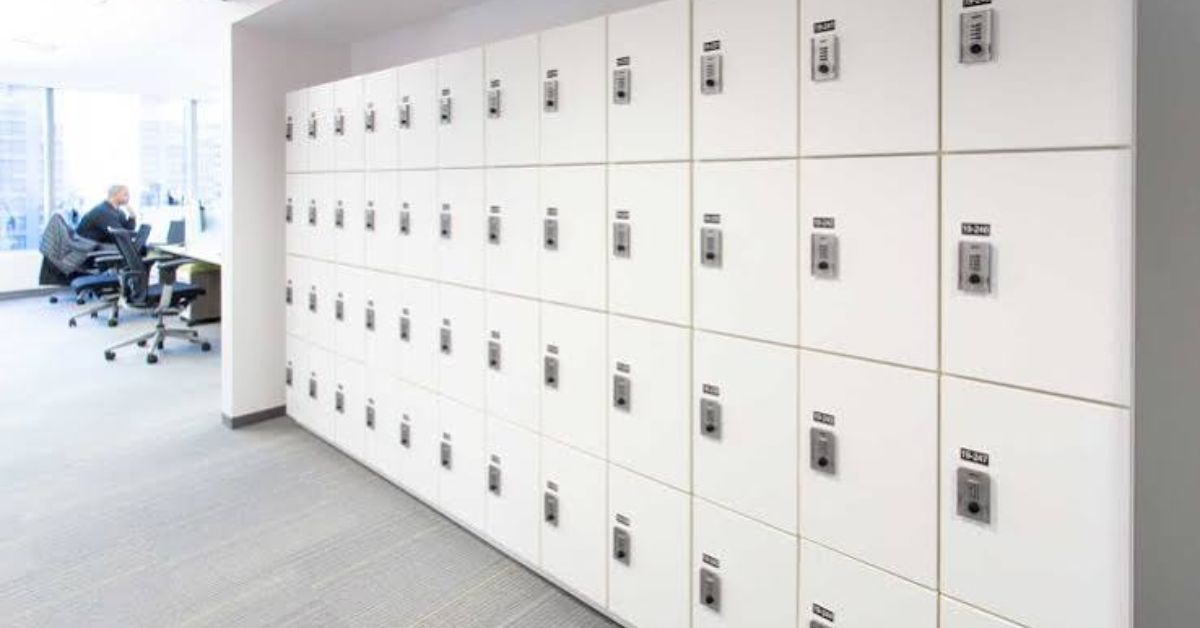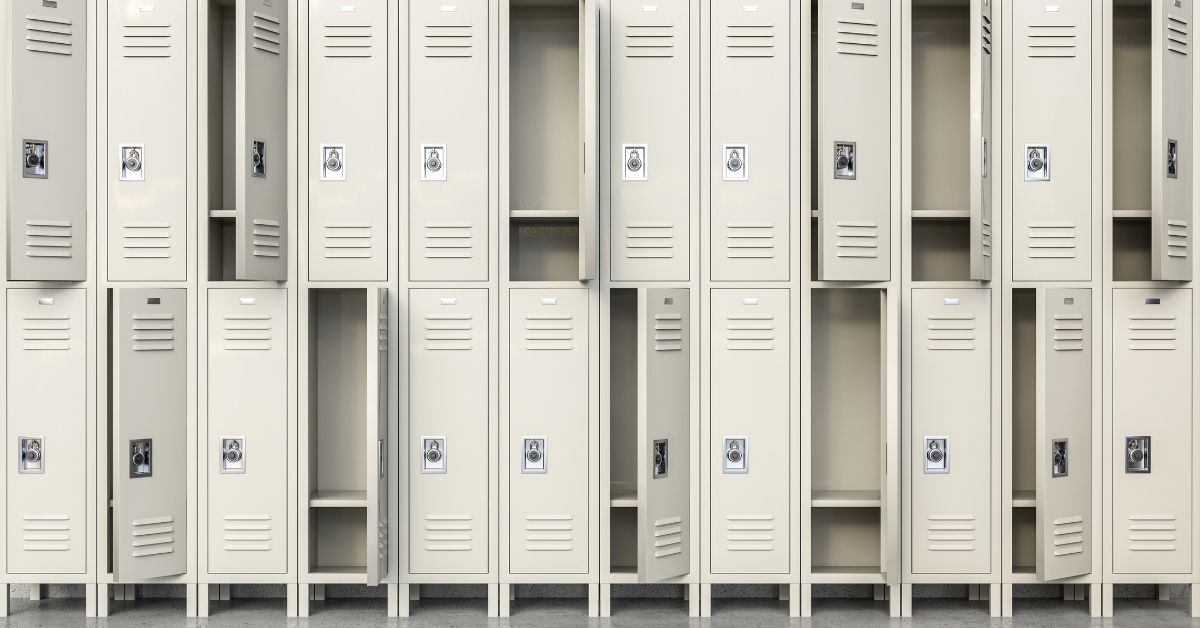

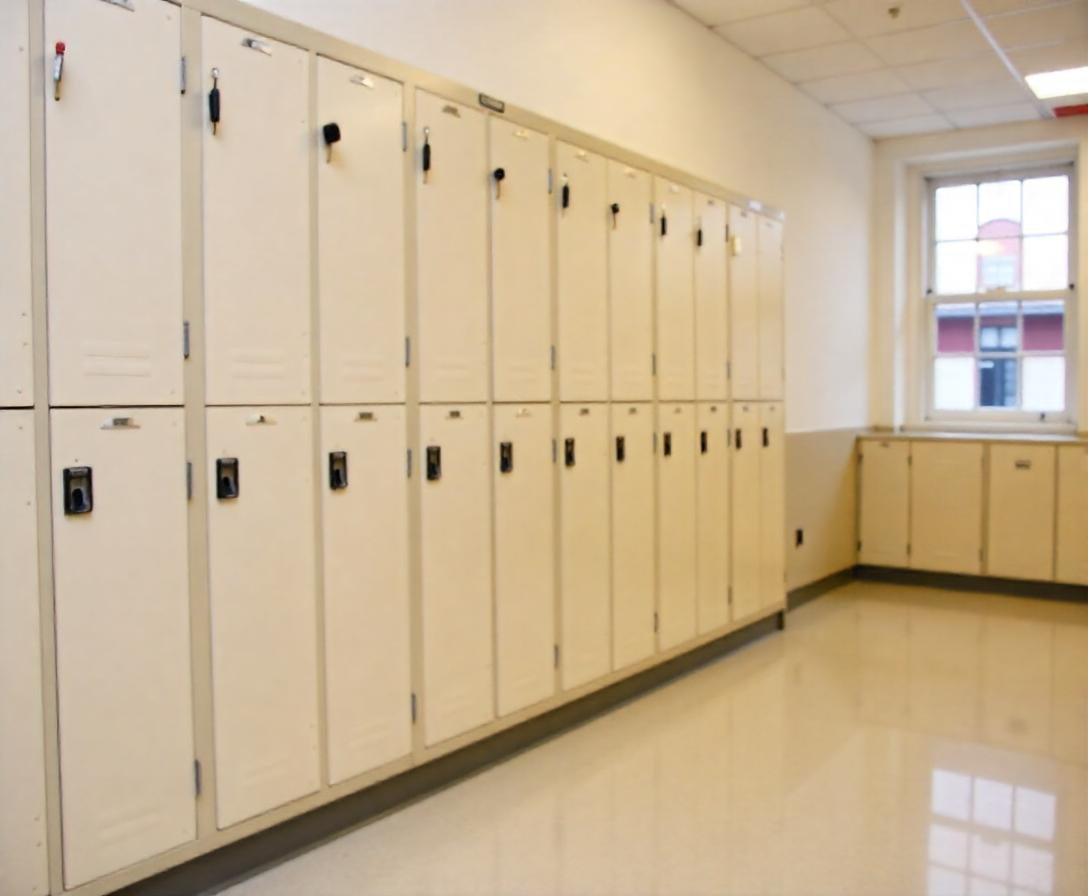
Pool decks, spa facilities, and busy gym showers put locker materials through a level of moisture exposure that steel was never really designed to handle gracefully. Rust, warping, and peeling paint tend to show up faster in these environments than most facility owners expect, which is exactly why plastic gym lockers have become the go-to choice for spaces where water is a daily reality rather than an occasional concern.
The core advantage of plastic gym lockers comes down to a simple material fact: plastic does not rust, corrode, or absorb moisture the way steel can over time. High-density polyethylene, the material most commonly used in these units, resists the constant humidity and splashing found near pools and locker room showers without the ongoing maintenance steel requires to fight corrosion in the same conditions.
This durability advantage compounds over the life of the locker. A steel unit near a pool deck may need repainting or rust treatment within a few years, while a quality plastic locker in the same location often needs little more than routine cleaning to maintain its appearance and function for well over a decade.
Plastic is not the only moisture-resistant option gym owners consider, and phenolic lockers for gyms offer a different balance of properties worth understanding before choosing a direction. Phenolic material tends to have a denser, more rigid feel than standard plastic, often preferred in higher-end facilities where a sleeker appearance matters alongside moisture resistance.
Cost typically separates the two options in practice. Phenolic units generally carry a higher price point than standard plastic lockers, making plastic the more budget-friendly choice for facilities that need moisture resistance across a large number of units without the added expense phenolic construction usually commands.
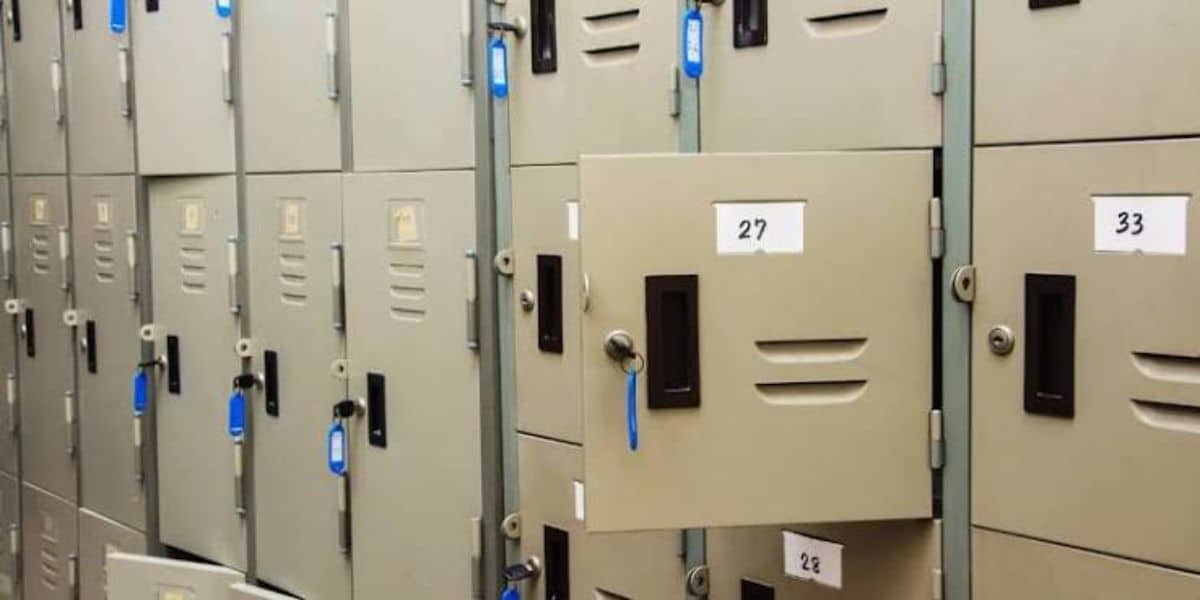
Understanding how plastic lockers for humidity hold up over years of real use, rather than just initial specifications, helps facility owners set realistic expectations. Quality plastic units maintain their structural integrity and color even after prolonged exposure to pool chemicals, steam, and constant temperature swings that would visibly degrade lower-grade materials within a much shorter timeframe.
Odor resistance deserves mention too, since plastic surfaces do not absorb moisture and bacteria the way some porous materials can. This property helps plastic gym lockers stay fresher between cleanings compared to materials more prone to trapping the combination of sweat and humidity common in busy locker rooms.
Plastic lockers offer a practical installation advantage that often gets overlooked in material comparisons. Lighter than steel of comparable size, plastic units are easier to maneuver into position and require less structural reinforcement in the surrounding room, which can simplify installation in facilities with older flooring or limited structural capacity.
Daily function differs slightly too. Plastic doors tend to open and close with a quieter, softer action than steel, a small detail that adds up in a busy locker room where dozens of doors open and shut throughout a single hour. Members may not consciously notice this difference, but the reduced noise contributes to a calmer overall atmosphere.
Plastic construction opens up color options that steel simply cannot match without additional coating processes. Manufacturers can produce plastic lockers in a wide range of vibrant, fade-resistant colors molded directly into the material itself, which means scratches or wear do not reveal a different color underneath the way a chipped paint job on steel would.
This flexibility gives gym owners more freedom to match locker colors to brand identity or create a distinctive look that sets a facility apart from competitors using standard gray steel throughout their spaces. Teams like the one at Lockers Unlimited can help facilities explore color and configuration options that fit both the practical demands of a wet environment and the aesthetic goals of a modern gym brand.
Routine cleaning for plastic gym lockers tends to be simpler than steel maintenance, since there is no risk of rust forming under a scratched surface the way there is with painted metal. A basic wipe down with standard cleaning solutions keeps plastic units looking presentable, without the need for specialized rust treatments or touch-up paint that steel units near wet areas often require over time.
Facilities transitioning from steel to plastic in pool-adjacent areas frequently report a noticeable drop in ongoing maintenance calls related to rust spots, sticking doors, or peeling paint. This reduction in upkeep translates directly into lower long term costs, even when the upfront price of plastic and steel units lands in a similar range for a given project.
High-density polyethylene, the primary material in most plastic gym lockers, is recyclable at the end of a locker’s usable life, which appeals to facilities working toward broader sustainability goals. Manufacturers increasingly offer recycled content options within their plastic locker lines, giving environmentally conscious gym owners a way to reduce the impact of their storage purchases without sacrificing the durability benefits that made plastic attractive in the first place.
Longevity itself carries an environmental benefit too, since a locker that lasts fifteen years without needing repainting or replacement parts generates less waste over its lifetime than a steel unit requiring more frequent touch-ups and eventual replacement due to rust damage in consistently wet conditions.
Plastic is not always the right answer for every gym locker application, and understanding the tradeoffs helps facility owners make an informed choice rather than defaulting to one material everywhere. Areas with heavy impact risk, like weight rooms where dropped equipment might strike lockers, sometimes benefit from steel’s greater resistance to dents and structural damage compared to plastic.
Many facilities end up using a mixed approach, choosing plastic for pool and shower-adjacent areas while sticking with steel in drier, higher-impact zones like main locker rooms or equipment storage. This kind of targeted material choice, rather than a single blanket decision, often delivers the best overall value across a facility with varied environmental demands.
Choosing plastic gym lockers for wet, humid spaces solves a real durability problem that steel struggles with despite decades of coating improvements and maintenance routines. For pool decks, spa areas, and shower-adjacent locker rooms, the reduced upkeep and long-term reliability plastic offers make it a smart, practical investment for any facility dealing with constant moisture.
Do plastic gym lockers really outlast steel near pools?
Yes, plastic resists rust and moisture damage that steel struggles with over time, often lasting well over a decade near pools with minimal maintenance compared to steel alternatives.
Are plastic gym lockers more expensive than steel?
Plastic lockers are often comparable in price to steel and generally cost less than phenolic alternatives, making them a budget-friendly option for moisture-heavy environments.
Can plastic lockers handle heavy daily gym traffic?
Quality plastic lockers hold up well under normal gym use, though extremely high-impact areas like weight rooms may still benefit from steel’s greater dent resistance.
Do plastic lockers fade or discolor over time?
Color molded directly into the plastic resists fading better than painted surfaces, since scratches reveal the same color underneath rather than a different base material.
Is odor control better with plastic gym lockers?
Plastic does not absorb moisture and bacteria the way some porous materials do, which helps plastic lockers stay fresher between cleanings in humid, high-use environments.