
Fitness centers run on a schedule most other businesses would find exhausting. Early morning classes, a lunchtime rush, and an evening wave of members all cycle through the same locker room within a single day. Fitness center lockers take a beating under that kind of use, which means the products a gym chooses need to hold up far beyond what a typical office locker was ever built to handle.
This guide covers what actually matters when selecting fitness center lockers, from sizing and security to the materials that survive years of daily use without falling apart.
Between sweat, moisture, and constant opening and closing, gym locker rooms create conditions that wear out cheap products fast. A locker that looks fine in a showroom can start rattling within months once it faces the reality of a busy fitness center.
Gym locker room storage designed specifically for this environment usually includes reinforced hinges, sloped tops to discourage members from leaving bags on top of units, and finishes that resist scratches from gym bags, keys, and the occasional dropped dumbbell nearby. These details might seem small individually, but together they add years to a locker’s usable life.
Traffic flow matters just as much as the lockers themselves. Wide aisles between locker rows keep members from bumping into each other during peak hours, and clear sightlines from the front desk or staff areas add a layer of security members appreciate, even if they never mention it directly.
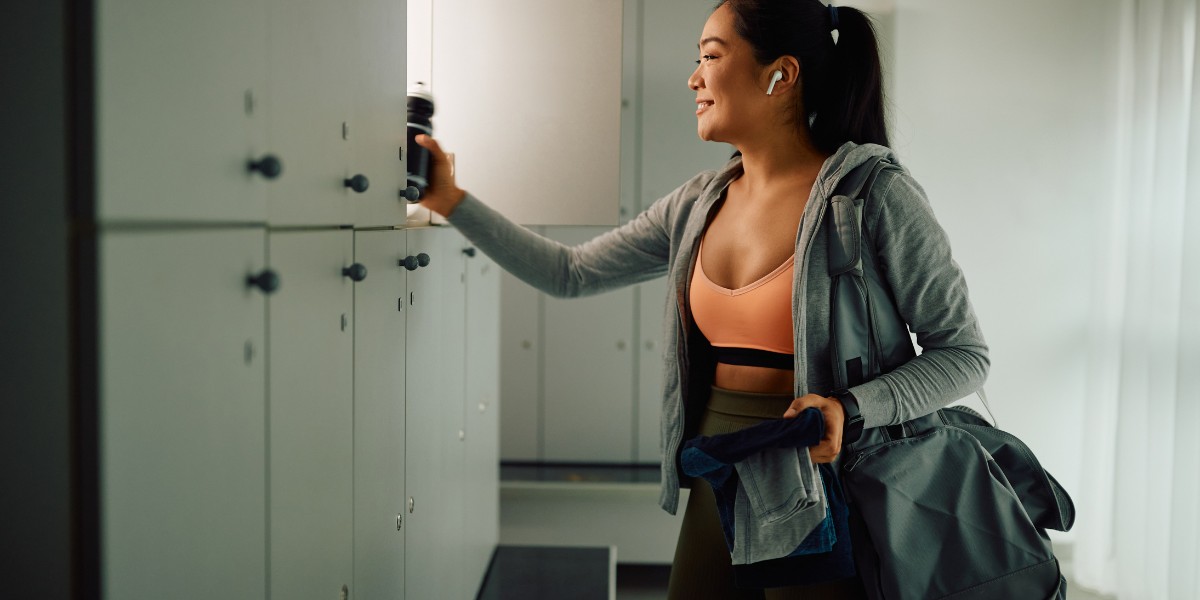
Fitness centers benefit from offering a mix of locker sizes rather than one standard option throughout the room. Full height lockers work well for members storing a full change of clothes, a bag, and shoes for an after-work workout. Smaller half-size lockers suit members who only need to stash a phone, keys, and a wallet during a quick lunchtime session.
Ventilated athletic lockers deserve special attention in this environment. Damp workout clothes need airflow, and a locker without proper ventilation slots turns into an unpleasant surprise the next time a member opens it. Mesh or perforated door designs solve this problem without sacrificing security. Comfortable locker room benches placed near each row make quick changes easier for members moving between sessions.
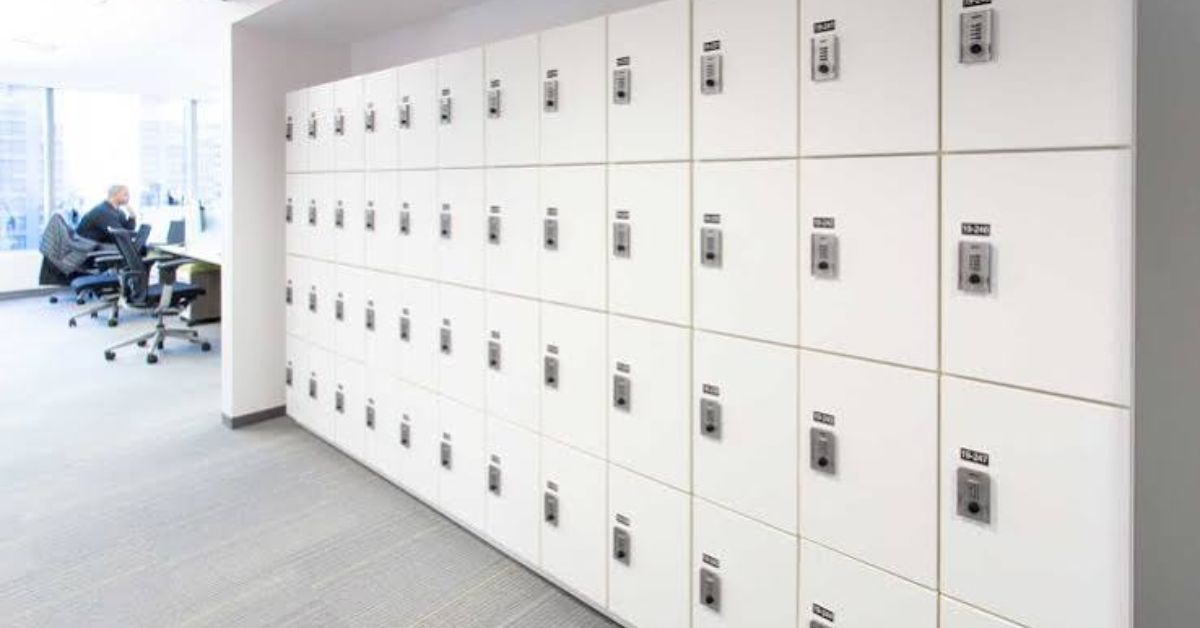
Day use lockers near the entrance, separate from permanent member assignments, help manage traffic for members without a dedicated locker, guests, or people trying out a membership for the first time.
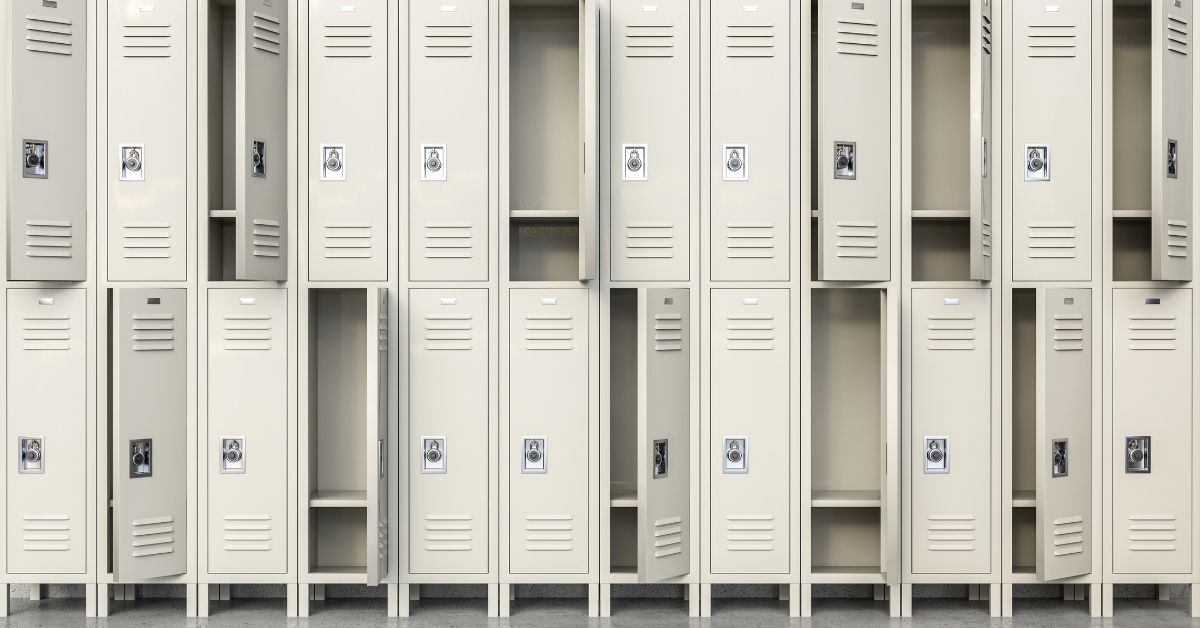
Steel remains the most common choice for fitness center lockers because it balances cost, durability, and resistance to daily wear. Powder coated finishes hold up well and come in a wide range of colors that let gyms match their branding throughout the facility.
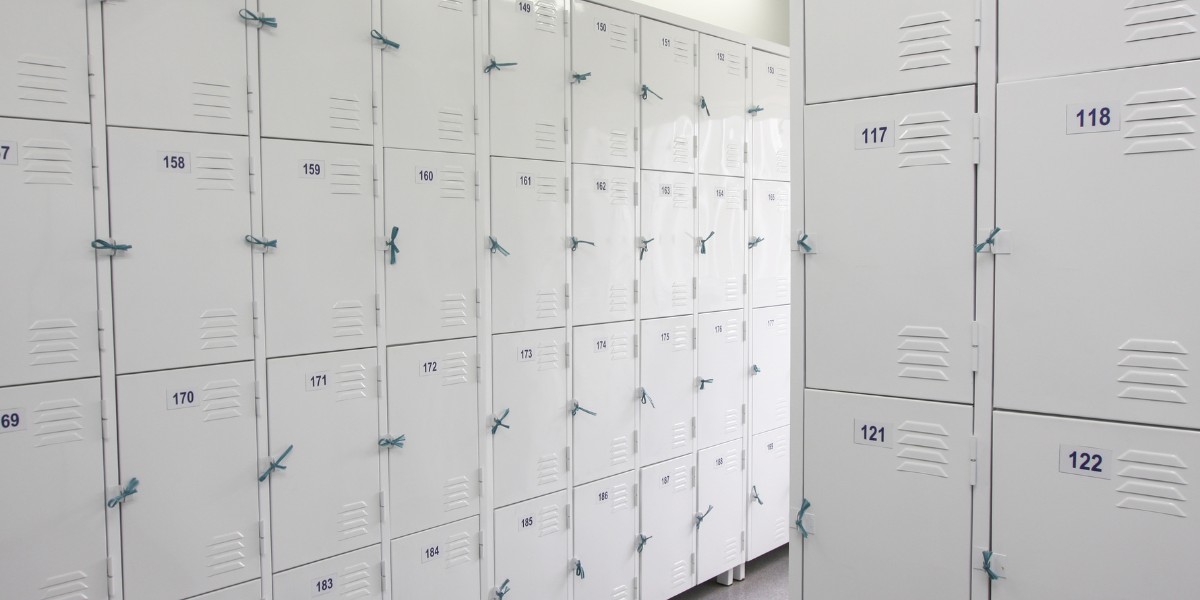
Plastic lockers work particularly well in areas near pools, saunas, or steam rooms, where moisture would eventually damage even well coated steel. These lockers never need repainting and resist corrosion completely, which matters for gyms with wet area amenities included in their membership. Understanding what makes gym lockers last through years of daily use helps facilities choose materials that actually pay off long term.
Wood look lockers show up in higher-end fitness centers and boutique studios where the locker room doubles as a relaxation space rather than a purely functional area. These typically use a durable veneer over a steel frame rather than solid wood, keeping maintenance manageable while still delivering a premium appearance.
Gym members store valuable items in their lockers, from phones and wallets to car keys and sometimes jewelry removed before a workout. Security has to be a priority rather than an afterthought during the selection process.
Many fitness centers now offer keyless entry systems, letting members set their own code or use an RFID wristband tied to their membership account. This reduces lost key hassles for staff and gives members one less thing to carry into a workout.
Combination locks remain a reliable, lower-cost alternative for gyms not ready to invest in electronic systems. Whatever option a facility chooses, clear signage reminding members to lock up valuables reduces disputes and keeps trust high between members and staff.
Fitness centers rarely want to close entirely for a locker replacement project, since members expect access around the clock or close to it. Planning installation during traditionally slower hours, such as midday on weekdays, minimizes disruption compared to tackling the project during peak morning or evening rushes.
Phased replacement, updating one section of the locker room at a time, keeps a portion of storage available throughout the entire project. A supplier experienced in commercial gym installations will typically suggest this approach without needing to be asked.
Plastic lockers built for gyms and pools often ship ready for quicker installation compared to custom wood finishes, which can matter if your fitness center is working within a tight renovation window.
Lockers Unlimited has worked on fitness center projects alongside schools, clubs, and businesses, bringing an understanding of gym-specific needs like ventilation, moisture resistance, and high-traffic durability into every recommendation.
Reviewing a full range of new lockers before finalizing an order helps fitness centers compare sizing, finish, and price across multiple options rather than settling for the first catalog page they come across.
Fitness center lockers face a level of daily wear that few other commercial spaces experience. Choosing durable materials, the right size mix, and dependable security features keeps members satisfied and keeps replacement costs from piling up sooner than expected.
1. How often should fitness centers replace their lockers?
Well-built steel or plastic lockers typically last ten to fifteen years under heavy gym use. Replacement timing depends on material quality, maintenance, and how much daily traffic the locker room sees.
2. What locker material works best near a gym pool or sauna?
Plastic or phenolic lockers resist moisture damage far better than steel in wet areas. They never need repainting and hold up well against humidity over many years of use.
3. Should gyms offer different locker sizes for members?
Yes, offering both full-size and half-size lockers covers different member needs, from a full workout bag to just a phone and keys during a quick visit.
4. Are keyless locker systems worth the investment for gyms?
Many members appreciate keyless entry since it removes the hassle of carrying or losing a key. It also simplifies management for staff dealing with lost combinations or lockouts.
5. How can gyms replace lockers without closing the facility?
Phased installation, updating one section at a time, lets fitness centers keep some lockers available throughout the entire project. Scheduling work during slower hours also reduces disruption significantly.