
Health clubs ask a lot from their locker rooms. Between pool areas, saunas, group fitness classes, and a steady flow of members throughout the day, the storage a facility installs needs to survive conditions far tougher than a typical office break room ever sees. Health club lockers built for this environment need to balance durability, comfort, and a level of polish that matches the overall membership experience.
This guide walks through the choices health clubs face when planning new lockers, from material selection to security to keeping a locker room organized during the busiest parts of the day.
Unlike a standard gym, many health clubs include amenities like pools, hot tubs, saunas, and steam rooms alongside traditional workout areas. That combination creates humidity levels that regular steel lockers were never designed to handle over the long run.
Spa and wellness lockers built specifically for moisture-heavy environments solve this problem directly. Phenolic and plastic materials resist corrosion completely, never need repainting, and hold their appearance for years even with constant exposure to steam and pool area humidity.
Traffic patterns also differ from a standard gym. Members often move between the pool, sauna, and locker room multiple times during a single visit, which means lockers need to be easy to access quickly, sometimes with wet hands or bare feet, without sacrificing security along the way.
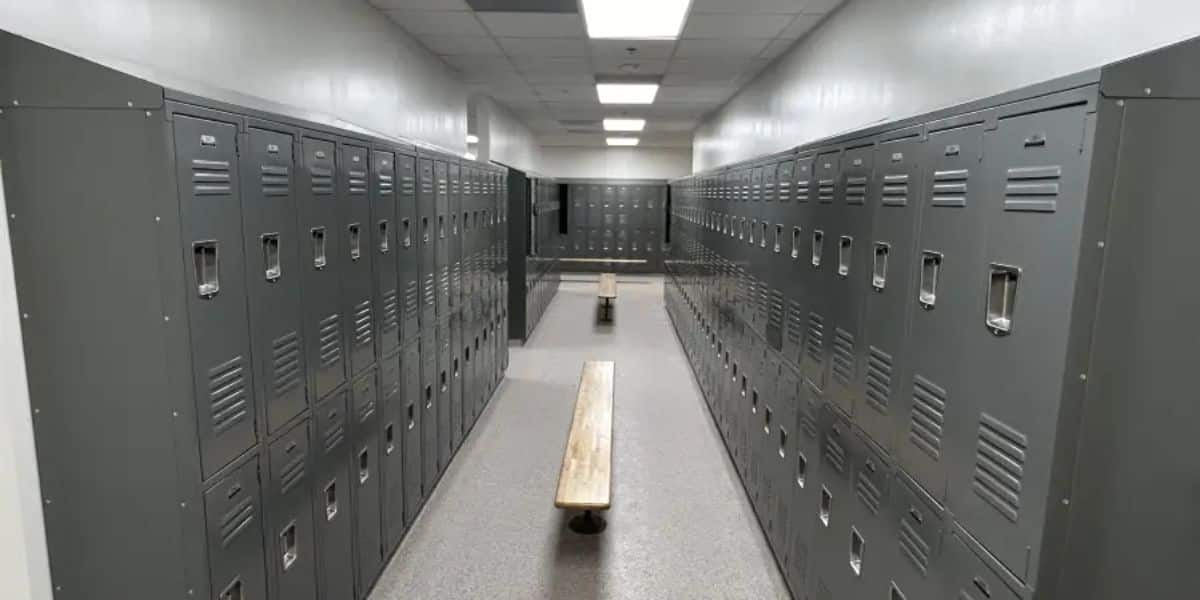
Steel remains a solid choice for the drier sections of a health club, such as areas near group fitness studios or weight rooms. Powder-coated finishes resist scratches and hold up well under normal gym conditions without the added moisture exposure found closer to pool areas.
For anything near water, plastic or phenolic lockers are worth the extra consideration. These materials shrug off humidity that would eventually rust or warp standard steel, and they clean easily without special products or extra maintenance time from staff.
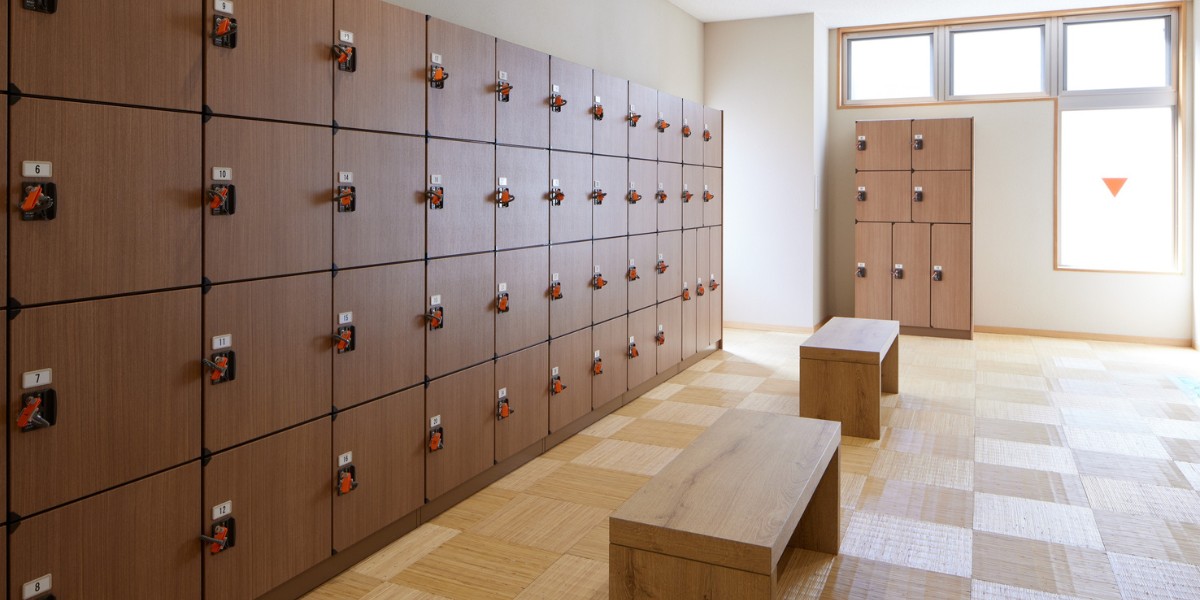
Wood look finishes appear occasionally in higher-end health clubs, usually reserved for drier areas like a relaxation lounge or premium locker section, since solid wood or wood veneer does not hold up nearly as well in constant humidity compared to plastic alternatives.
Members visiting a health club often carry more valuables than a typical gym goer, including car keys, phones, and sometimes jewelry removed before swimming or using a sauna. Security needs to work reliably even when members are moving quickly between different areas of the facility.
Keyless locker systems have become increasingly popular in health clubs specifically because they let members lock up quickly without fumbling for a key with wet hands. RFID wristbands tied to a membership account work particularly well here, letting members access their locker and other club amenities with the same device.
Traditional combination locks remain a dependable backup option, especially for facilities not ready to invest in a full electronic system across every locker bank in the building.

Health club locker rooms benefit from a thoughtful mix of sizes throughout the space. Full height lockers work well for members storing a complete change of clothes along with a gym bag, while smaller lockers near pool entrances suit members who only need to secure a towel, sunglasses, and a phone during a swim.
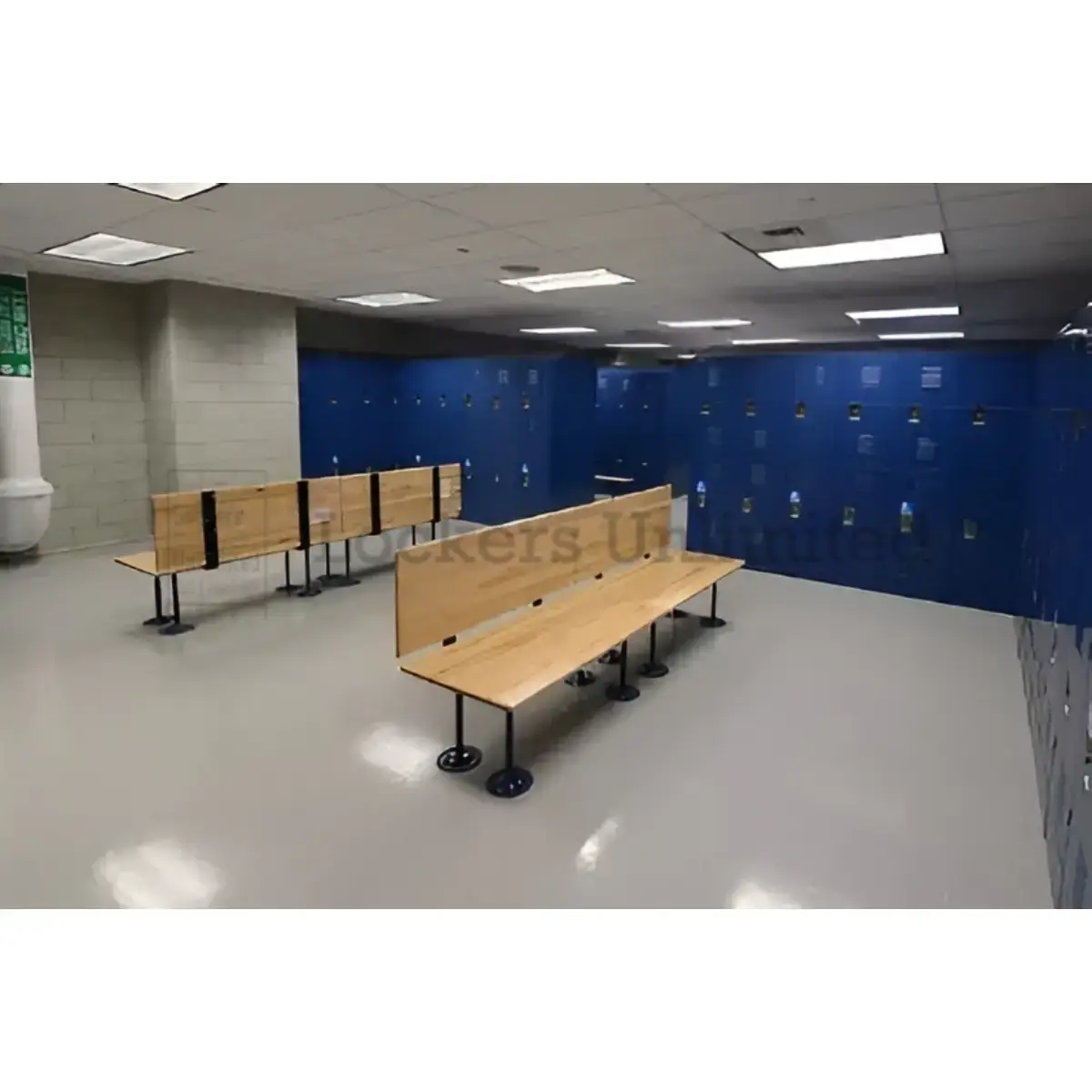
Locker room benches deserve just as much attention as the lockers themselves in this setting. Members often sit while drying off or changing after a swim, so bench placement and comfort matter more here than in a typical gym locker room where sitting time tends to be shorter. Health clubs that also run a general fitness floor often find it useful to review why quality fitness center lockers matter for every gym, so standards stay consistent throughout the building.
Clear separation between wet and dry locker areas, where the layout allows it, helps keep the whole space feeling clean and organized rather than mixing pool traffic with the general gym locker area.
Health clubs rarely want to shut down completely for a locker upgrade, especially facilities that operate on a membership model with high expectations around availability. Planning installation in phases, tackling one section of the locker room at a time, keeps part of the facility usable throughout the project.
Coordinating with pool maintenance schedules or slower membership periods can also reduce disruption, since combining a locker upgrade with already planned downtime minimizes the number of separate closures members need to work around.
An experienced supplier will typically ask about your club’s busiest hours and amenities before recommending an installation timeline, rather than applying a generic schedule that ignores how your specific facility actually operates.
Lockers Unlimited brings experience across gyms, schools, and clubs into every project, understanding the specific demands that pools, saunas, and heavy daily traffic place on locker room storage.
Reviewing available professional installation services alongside your locker order ensures the whole project gets handled by a team familiar with commercial timelines and the realities of working inside an operating facility.
Health club lockers need to do more than store gear. They need to survive humidity, handle constant traffic, and still look polished enough to match the overall membership experience. Choosing the right materials, security features, and installation plan keeps a health club locker room running smoothly for years after installation day.
1. What locker material handles pool area humidity best?
Plastic or phenolic lockers resist moisture damage far better than steel. They never rust, never need repainting, and hold their appearance even with constant exposure to humidity.
2. Are keyless locker systems a good fit for health clubs?
Yes, especially near pools and saunas where members often have wet hands. RFID wristbands tied to membership accounts let people access lockers quickly without fumbling for a key.
3. Should health clubs separate wet and dry locker areas?
Where layout allows, separating these areas keeps the space cleaner and reduces moisture spreading into dry locker sections, extending the life of standard steel lockers nearby.
4. How often should health club lockers be inspected?
An annual inspection catches sticking doors, worn locks, or early rust before problems grow. Facilities near pools may benefit from checking moisture-prone areas more frequently.
5. Can locker installation happen without closing the health club?
Yes, phased installation lets one section update at a time while the rest of the facility stays open. Coordinating with slower membership periods reduces disruption even further.