
If you’ve ever opened a metal locker in a pool building and caught that damp, rusty smell, you already know why so many facility managers are switching to plastic lockers. Wet environments are brutal on standard storage. Steam, splashback, and constant moisture eat away at seams and hinges over time. Plastic lockers were built specifically to shrug off that kind of punishment, and understanding how they do it can save you a lot of headaches – and money – down the road.
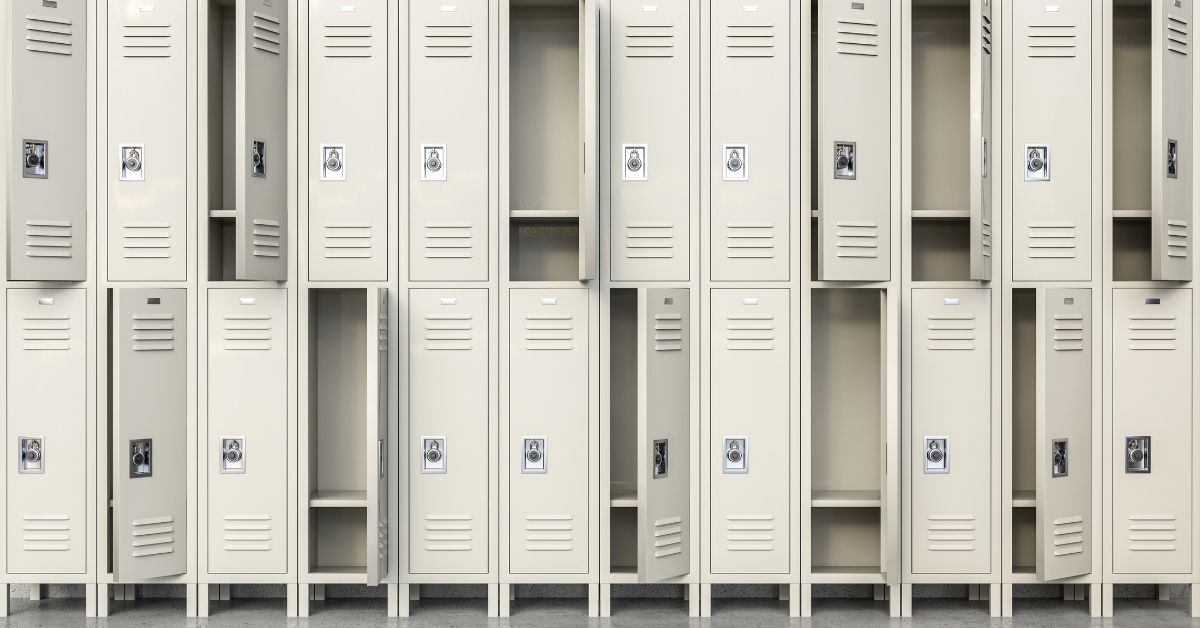
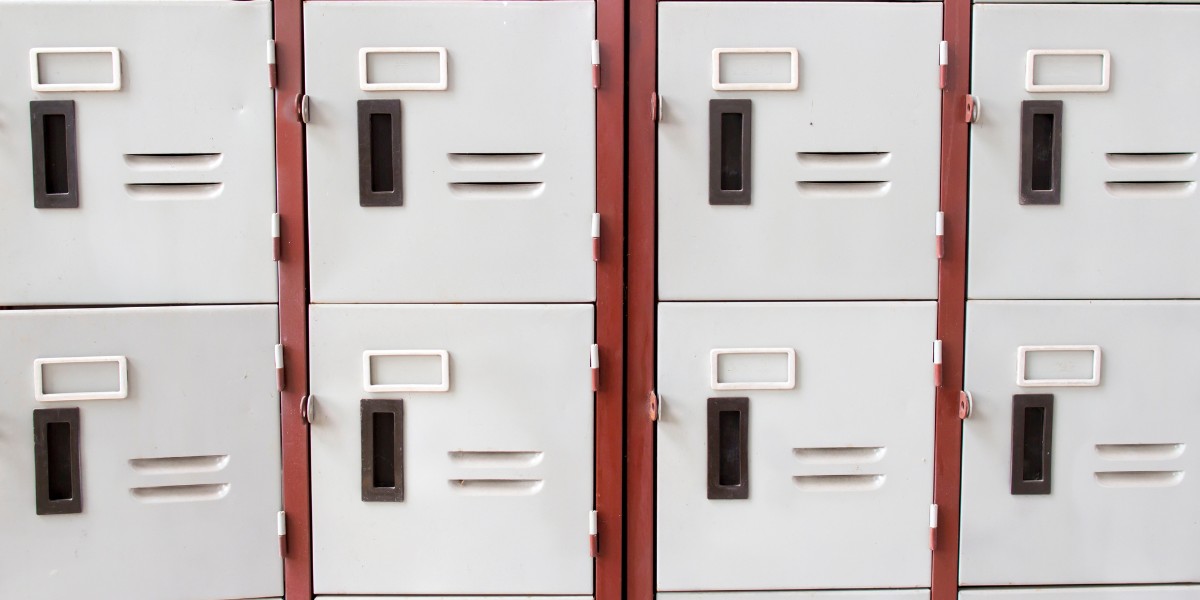
Metal lockers were never designed with pool decks or shower rooms in mind. Once water gets into a seam or a scratched surface, rust starts forming within days. In humid climates, even lockers that never touch liquid water directly can corrode just from ambient moisture in the air. The paint or powder coating chips, exposed metal oxidizes, and doors start sticking or swelling at the frame.
This is why so many gyms and aquatic centers eventually replace their entire locker room instead of patching individual units. A single corroded door can compromise the whole bank of lockers if the frame shifts. Facilities that have already made the switch often mention it in guides like the one on the unique benefits of plastic lockers, which walks through why moisture resistance tops the list of reasons people convert.
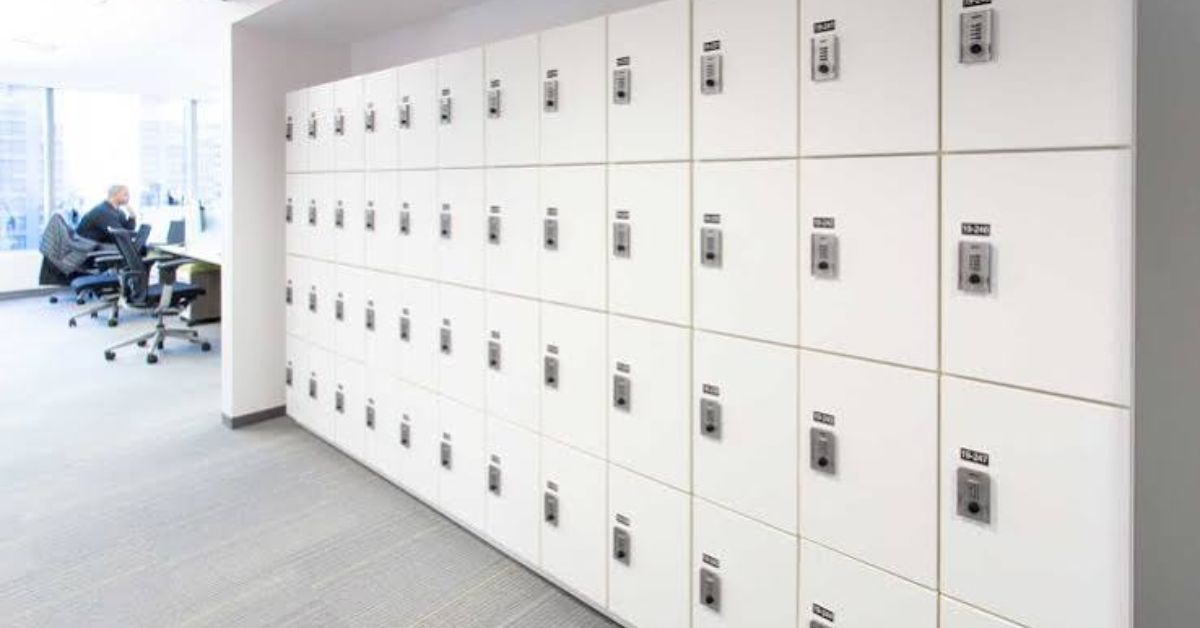
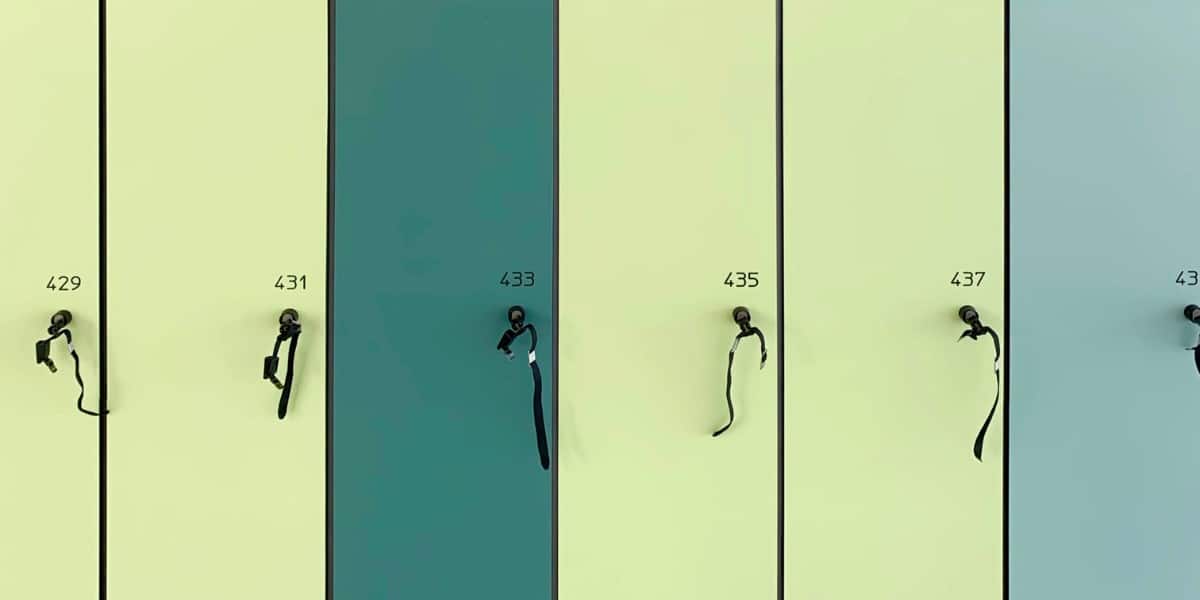
Plastic lockers are typically molded from high-density polyethylene (HDPE) or a similar polymer, which is naturally non-porous. There’s no exposed metal to rust, no paint to chip, and no wood veneer to swell or delaminate. Water simply beads and runs off the surface instead of soaking in.
The construction matters too. Quality plastic lockers use rounded seams and welded joints rather than screws or rivets that could loosen and let moisture creep in. Ventilation slots are molded directly into the material, so airflow moves through the locker without creating a weak point where water could pool. That combination is a big reason phenolic and plastic options show up so often in facilities researching the best phenolic lockers for gyms, pools, and wet areas – both materials solve the same core problem in slightly different ways.
Not every space needs the same level of moisture protection, but a few environments benefit the most:
If you’re outfitting a facility near the coast or with heavy outdoor exposure, it’s worth reading through options built for that specific use, like the guide on new plastic lockers for outdoor use, which covers UV resistance alongside moisture protection.
Moisture resistance is the headline feature, but plastic lockers hold up well in other ways too. They don’t dent the way thin-gauge steel does, so a stray gym bag or dropped weight won’t leave a permanent mark. Colors are molded into the material rather than applied as a coating, which means scratches don’t reveal bare metal underneath – they just show the same color a shade lighter.
Temperature swings are handled better as well. Metal lockers in unheated storage buildings can sweat when warm, humid air meets a cold metal surface, creating condensation on the inside of the door. Plastic doesn’t conduct temperature the same way, so that internal condensation problem mostly disappears. Facilities that have compared both materials side by side, such as in the piece on the top plastic lockers for gyms, consistently point to this as an underappreciated benefit.
At Lockers Unlimited, we hear from facility managers who assumed plastic lockers would feel flimsy compared to metal, only to be surprised by how solid modern HDPE units actually are. The material has come a long way from the thin plastic bins people picture – today’s commercial-grade plastic lockers are engineered to handle daily impact in busy locker rooms.
Cleaning plastic lockers is straightforward. A damp cloth and mild detergent handle most grime, and there’s no risk of removing a protective coating the way there is with painted metal. Mold and mildew have a harder time taking hold on a non-porous surface, which matters a lot in humid climates where bacteria growth is a real concern in shared facilities.
Hardware is usually the only part that needs periodic attention. Hinges and locks, even on plastic units, are often still metal components, so choosing stainless steel or coated hardware extends the life of the whole locker. If you’re weighing which material combination makes sense for your specific building, the comparison in the complete buying guide to choosing the right phenolic lockers is a useful next read, since phenolic core lockers share several of the same moisture-fighting design choices.
Plastic lockers used to carry a steep price premium over standard steel, but that gap has narrowed considerably as manufacturing has scaled up. Many facilities find that the upfront cost difference pays for itself within a few years simply by avoiding the replacement cycle that humid environments force on metal lockers. Fewer replacement units, less maintenance labor, and no repainting adds up faster than most people expect.
If your current lockers are already showing rust spots or swollen doors, it’s usually a sign the damage will only spread. Catching it early and switching to a moisture-resistant option can prevent a much larger, more disruptive replacement project later.
Wet environments will always be hard on storage equipment, but they don’t have to mean constant repairs and early replacements. Plastic lockers were designed around exactly this problem, and for pool decks, locker rooms, and outdoor storage, they’ve become the practical choice rather than the alternative one.