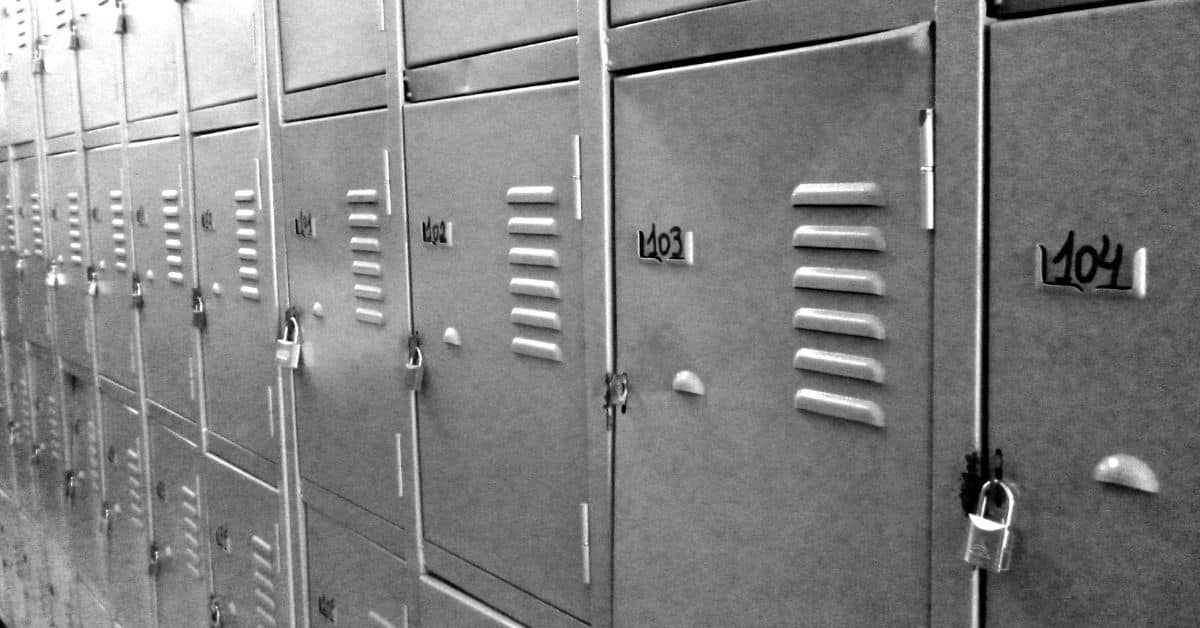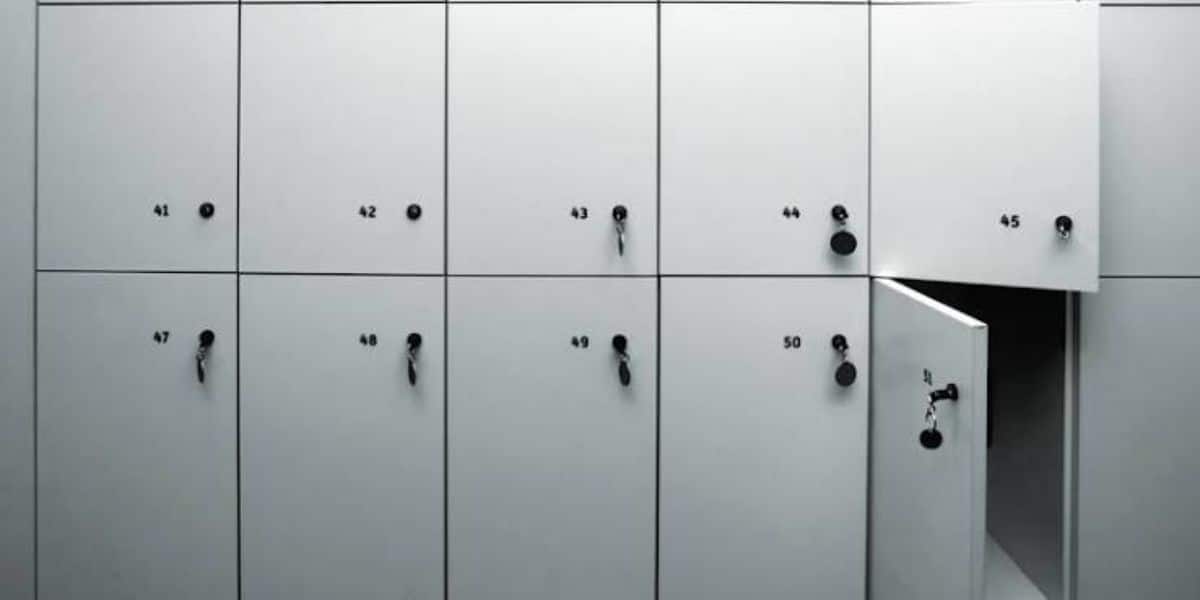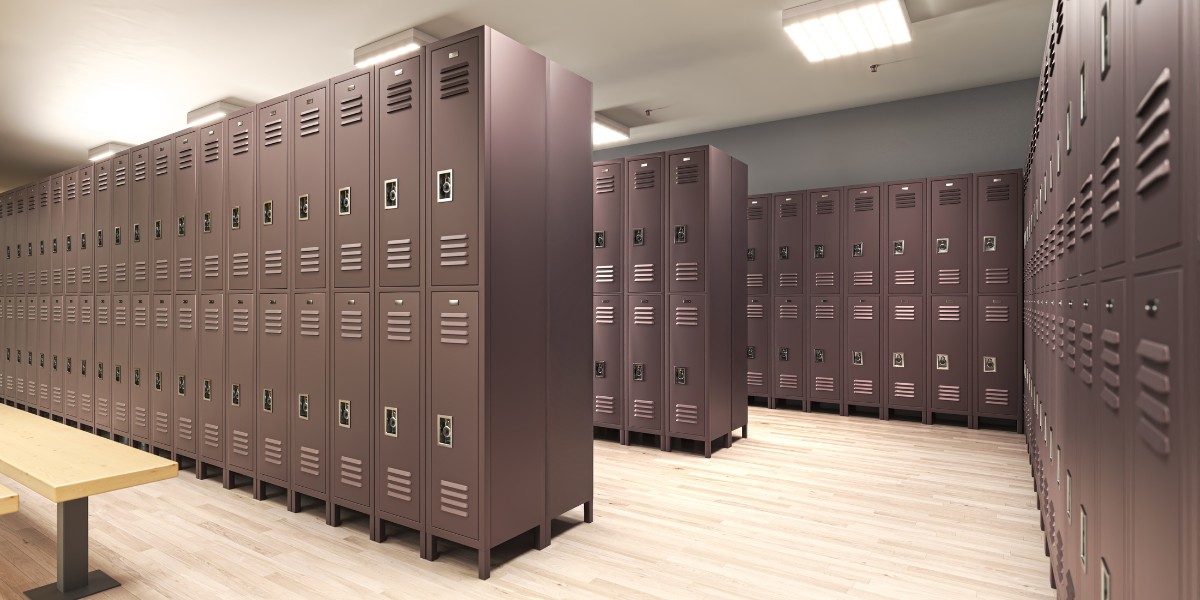
A locker on its own is really just a metal box. What turns it into a space that actually works for the person using it every day comes down to the accessories inside: hooks, shelves, organizers, and small details that make a big difference in daily convenience. Whether you’re outfitting a school hallway, a gym locker room, or an office break room, choosing the right locker accessories affects how well people actually use the storage they’ve been given, not just how it looks on delivery day.
Good locker accessories solve a specific, everyday problem rather than just adding extra hardware for its own sake. Coat hooks give people somewhere to hang a jacket or bag without it ending up crumpled on the floor. Shelves split a tall locker into usable sections, so small items don’t get buried under bigger ones. Number plates and name tags help identify assigned lockers quickly, which matters in busy schools and gyms where dozens of similar-looking units sit side by side.
Ventilation accessories, like added vents or slotted panels, help control moisture and odor in lockers storing gym clothes or wet gear. None of these additions need to be complicated, but skipping them often means people end up improvising with tape, hooks bought separately, or simply shoving items in wherever they fit.
Rather than picking accessories one at a time, many facilities find it easier to start with a locker accessory kit that bundles the most commonly needed items together. A typical kit might include a coat hook, a small shelf, and a mirror, covering the basics that most users need without requiring a facility manager to source each piece separately.

Kits also tend to offer better value than buying accessories individually, since bundled pricing usually beats piecing together the same combination one item at a time. For a large rollout, like outfitting an entire school hallway or gym locker room, starting from a standard kit and adjusting from there saves a significant amount of planning time compared to designing every locker’s accessories from scratch.
Traditional accessories usually require drilling or a permanent mount, which isn’t always practical, especially in school settings where students want to personalize a space without causing damage. Magnetic locker accessories solve this by attaching directly to the steel locker surface without any tools or hardware, which makes them popular for organizers, small shelves, and decorative items alike.
This approach also makes it easy to reconfigure a locker as needs change throughout the year. A student might swap out a magnetic organizer between school terms, or a gym member might move a magnetic hook to a different spot without leaving a hole behind. For facilities that value flexibility and minimal maintenance, magnetic options are becoming a preferred choice over permanently mounted alternatives.
Not every facility needs the same set of accessories, and matching the choice to the setting makes a real difference. Schools tend to prioritize durable, simple accessories like hooks and shelves that can survive years of daily use by students who aren’t always gentle with their belongings. Gyms benefit from ventilation-focused accessories and small shelves for phones or water bottles, given how much wet gear passes through daily.
Office and corporate settings often lean toward a cleaner aesthetic, favoring accessories that match the finish of the locker itself rather than an obvious add-on. Teams like the one at Lockers Unlimited frequently help facility managers think through which combination of accessories actually fits their specific users, rather than defaulting to whatever comes standard with a locker order.
Installation complexity varies quite a bit depending on the accessory type. Magnetic options require no tools at all, while hooks, shelves, and number plates often need basic hardware and a few minutes per locker to install correctly. Planning installation as part of a broader locker order, rather than as an afterthought once units are already in place, tends to go more smoothly since crews can handle everything in one visit.
Maintenance matters too, even for small accessories. Loose hooks, bent shelves, or missing number plates might seem minor individually, but across a hundred lockers these small issues add up to a room that looks neglected. A periodic walkthrough that checks accessories alongside the lockers themselves catches these small problems early, before they turn into a bigger maintenance project.
It’s easy for accessory costs to add up quickly across a large facility, so a bit of planning goes a long way. Starting with the accessories that solve the most common daily frustrations, like hooks and basic shelving, gives the biggest return before moving on to nice-to-have extras like mirrors or decorative panels. Bundled kits often provide better value than a long list of individually selected items, especially for a large rollout across many lockers at once.
It’s also worth asking whether accessories can be added later rather than all at once. Starting with the essentials and expanding based on actual user feedback after a few months of use often leads to smarter spending than guessing what everyone will want on day one.
A few missteps show up again and again when facilities plan their accessory purchases. Ordering accessories that don’t match the locker material is one of the most common, since a magnetic hook simply won’t hold on a plastic or phenolic surface no matter how well it’s rated. Checking material compatibility before placing an order saves a frustrating and often costly reorder down the line.
Another frequent mistake is treating accessories as a single, one-time decision rather than something that can evolve. Facilities that lock in every accessory choice at the initial order often end up with items nobody uses much, while skipping the more requested extras that only became clear after people started using the space. Building in a small buffer budget for adjustments after the first few months of real use tends to produce a much better outcome than trying to predict every need in advance.
Overlooking installation time is a third common oversight. Hardware-mounted accessories like shelves and hooks take real labor to install across dozens or hundreds of lockers, and failing to account for that time in a project schedule can delay a facility opening or renovation completion. Coordinating accessory installation alongside the main locker delivery, rather than as a separate follow-up project, keeps the whole rollout on a tighter and more predictable timeline.
Choosing the right locker accessories comes down to understanding how people actually use the space day to day, not just filling every locker with the same standard package. A thoughtful mix of hooks, shelves, and flexible options like magnetic accessories turns a plain metal box into storage that genuinely works for the people relying on it.