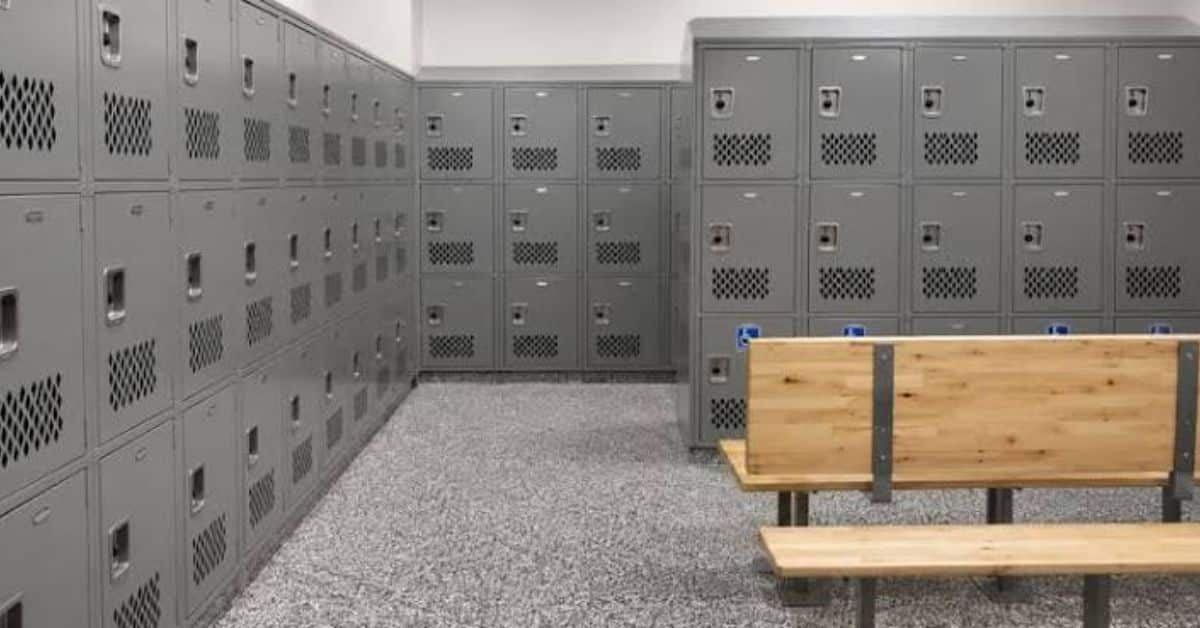
Benches rarely get the attention that lockers themselves receive, but spend five minutes watching people move through a busy changing space and you’ll see how much that seating actually matters. People sit to tie shoes, change clothes, dig through bags, and rest for a moment between activities. Choosing the right locker room benches affects comfort, safety, and how well the whole room functions during a rush of people moving through at once.
The best locker room benches start with a frame strong enough to handle constant use without wobbling or loosening over time. Steel pedestals bolted securely to the floor tend to outlast benches that rely on wall mounts alone, especially in high-traffic gyms and schools. The seating surface matters just as much as the frame; solid wood, laminate, and phenolic tops each offer a different balance of comfort, moisture resistance, and cost.
Height and depth are easy to overlook but shape daily comfort more than people expect. A bench that’s too low or too shallow makes it awkward to sit while pulling on shoes or gear, while one that’s too high can feel unstable for younger students or older adults. Getting these dimensions right takes a little more planning upfront but pays off in fewer complaints later.
Accessibility isn’t optional in most commercial and public facilities, and ADA locker room benches are built to meet specific height, depth, and clearance requirements so everyone can use the space comfortably. These benches typically sit at a set height range with enough surrounding floor space for wheelchair access, and they often include backrests for added support.
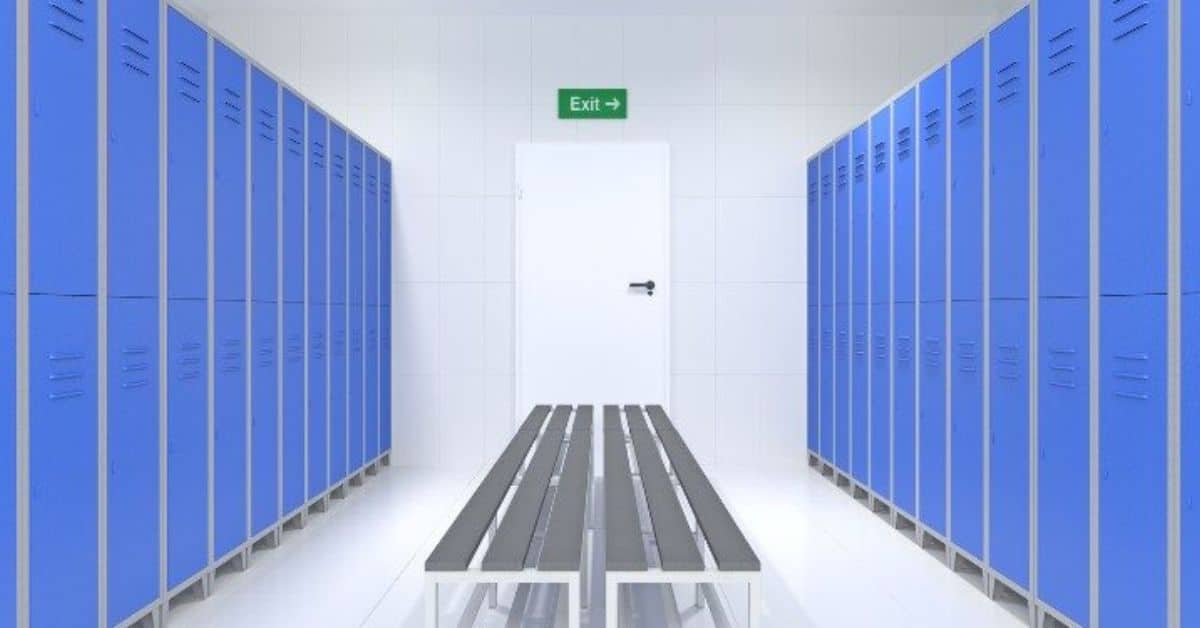
Facilities that skip this requirement risk more than a compliance issue; they risk leaving out members, students, or employees who need that accessible seating to use the space at all. Working with a supplier familiar with current accessibility codes takes the guesswork out of getting these dimensions right the first time, rather than discovering a problem during an inspection.
Good locker room seating is about more than a place to sit. Placement affects how smoothly people move through the room, especially during peak hours when dozens of people might be changing at once. Benches placed too close to locker rows create bottlenecks, while benches spaced too far apart waste valuable floor space that could otherwise hold more lockers or storage.
Some facilities are moving toward modular seating that can be reconfigured as usage patterns change over time, which offers more flexibility than fixed benches bolted into a single layout. Others prefer a simple, sturdy design that’s built to handle years of heavy use without needing much rethinking at all. The right choice depends on how much your facility expects its space to evolve.
Locker rooms near pools, showers, or heavy sweat exposure need materials that resist moisture without warping or growing mildew. Phenolic benches handle water exposure especially well and tend to be a popular choice in pool facilities and busy gyms. Solid wood benches offer a warmer look and feel but require more maintenance in consistently humid environments.
Metal frames paired with a moisture-resistant top tend to offer the best combination of durability and long-term value. Teams like the one at Lockers Unlimited often recommend matching bench material to the specific humidity and traffic level of a room, rather than defaulting to whatever looks best in a catalog photo.
Ventilation around the bench area plays a supporting role too. Even the most water-resistant material benefits from decent airflow, since standing moisture on any surface eventually causes problems over enough time. Pairing the right material with a room that breathes well gives you the best odds of a bench that still looks and functions well years down the road.
It’s easy to treat benches as an afterthought in a locker room budget, but cutting corners here often costs more over time through repairs or early replacement. A slightly higher upfront cost for a well-built bench with a solid frame and durable top usually pays for itself within a few years of heavy use.
Getting quotes that separate bench cost from locker cost helps you see where your budget is actually going, and lets you make an informed choice about where quality matters most for your specific facility. A gym with constant foot traffic has different priorities than a quiet office break room, and your bench budget should reflect that difference.
Warranty terms are worth comparing across suppliers too, since a longer warranty often signals more confidence in the materials and build quality. A supplier willing to stand behind a bench for five or ten years is generally telling you something useful about how it’s built, even before you see the product in person.
A gym, a school, and a corporate office all need seating in their changing areas, but the priorities shift depending on who’s using the space and how often. Gyms tend to favor sturdy, low-maintenance benches that can handle constant traffic and the occasional dropped weight or gear bag without denting or splintering. A simple steel frame with a phenolic or laminate top usually covers this need without adding much cost.
Schools often look for a middle ground between durability and budget, since hundreds of students may use the same bench every single day for years. Rounded edges and a design that discourages standing or jumping tend to reduce both wear and injury risk in these settings. Corporate offices and boutique fitness studios, on the other hand, often prioritize appearance a bit more, since these spaces double as a reflection of the brand. Wood tones, matching hardware, and a cleaner overall look are common requests in this category, even though the underlying frame construction doesn’t need to differ much from a more industrial setting.
Public facilities like community centers or municipal pools tend to land somewhere in between, balancing a tight budget with heavy, varied use from children and adults alike. In these settings, easy-to-clean surfaces and simple repair or replacement options often matter more than aesthetics. Thinking through which category your facility falls into before you start shopping makes it much easier to narrow down material and design options instead of getting lost in a catalog of choices that don’t all apply to your situation.
Choosing the right locker room benches takes a bit more thought than picking whatever matches your lockers, but the payoff shows up in comfort, safety, and fewer maintenance calls down the road. Whether you need standard seating, accessible options, or something built for a wet environment, matching the bench to how your space actually gets used makes all the difference.