
Walk through the locker room of any well-run athletic program, and you’ll likely spot the same style of storage: tall, front-facing units built to survive years of gear, pads, and equipment being shoved in and out day after day. Stadium front lockers earn their name from this exact setup, designed with a full front opening that makes it easy to store bulky athletic gear without wrestling it through a narrow door.
For arenas, colleges, and competitive sports programs, choosing the right stadium front lockers affects everything from daily locker room flow to how long the equipment budget stretches.
Stadium front lockers differ from standard lockers mainly in their opening design. Instead of a narrow door on one side, these units open across most or all of the front, giving athletes room to hang full uniforms, pads, and bags without cramming everything into a tight space. This design also makes it easier for coaches and equipment managers to do a quick visual check of what’s inside without opening every compartment.
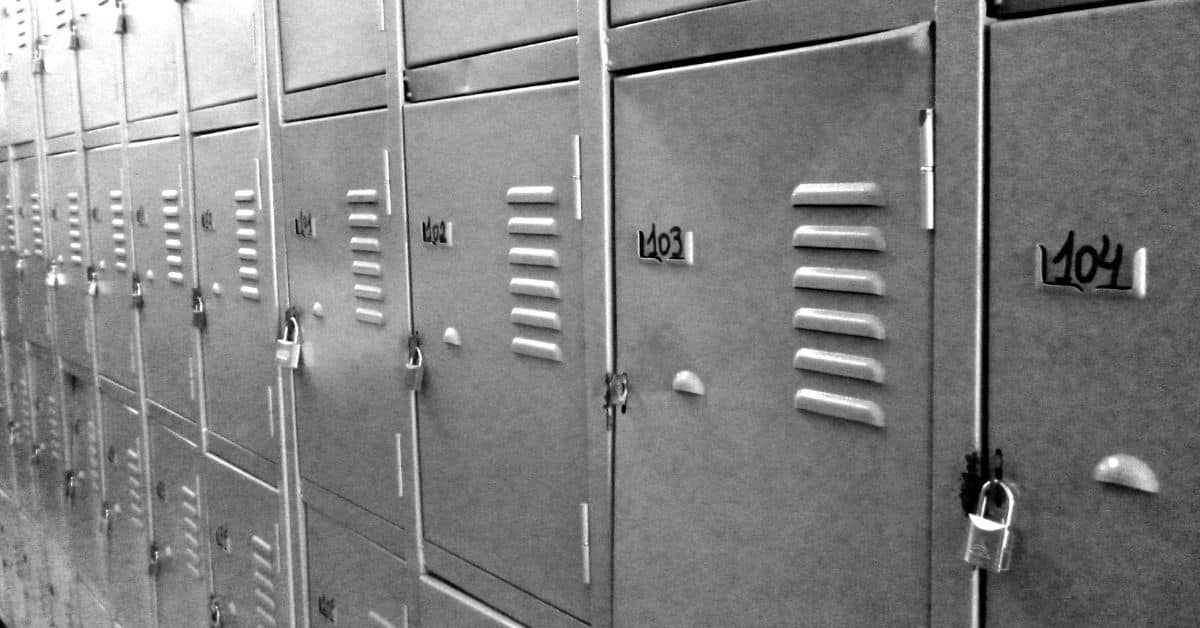
Ventilation is another defining feature. Perforated or louvered fronts let air circulate through sweaty gear between practices and games, which cuts down on odor and helps equipment dry faster. Combined with a taller frame than a typical locker, stadium front units give athletic programs the storage capacity that gear heavy sports actually demand.
Budgets rarely keep pace with a growing athletic program, which is why athletic lockers for sale through the used and secondhand market get so much attention from equipment managers. A program adding a new team or expanding roster size doesn’t always have room in the budget for a full custom order, and quality used stadium units can fill that gap without sacrificing durability.
Buying used also tends to shorten the timeline considerably. Custom orders for new stadium front lockers can take weeks to manufacture, while used inventory is typically ready to ship right away. For programs racing to get a locker room ready before a season starts, that difference in lead time can matter as much as the price tag.
While stadium front lockers are built for team sports, gym athletic lockers in a fitness center context tend to serve a different crowd with different needs. Members typically store smaller items, like a gym bag, shoes, and a change of clothes, rather than full team equipment. That means gym athletic lockers can often be smaller and more numerous, packing more storage into the same footprint.
Security also plays a bigger role in a gym setting, since members are trusting the facility with personal items throughout their workout. Stadium front lockers in a team setting rely more on supervision and shared team culture, while gym lockers usually need individual locks and a higher level of theft deterrence built into the design itself.

Stadium front lockers see some of the roughest daily treatment of any locker style, from cleats and pads being tossed in after practice to the occasional slammed door after a tough loss. Heavy gauge steel construction holds up best under this kind of use, resisting dents and keeping doors aligned even after years of hard use. Reinforced hinges and latch mechanisms matter just as much, since a locker that won’t close properly quickly becomes useless.
Teams like the one at Lockers Unlimited often recommend pairing stadium front lockers with a simple, reliable lock system rather than an overly complex one, since athletes and staff need quick access between practices and games without fumbling with a difficult mechanism. A straightforward padlock hasp or a basic combination lock usually holds up better under daily wear than something more delicate.
Getting the layout right matters as much as choosing the right locker style. Wide aisles between rows keep the space functional when a full team is changing at once, and placing lockers near benches reduces the bottleneck that happens when everyone needs to sit down to lace up cleats or tie shoes at the same time. Grouping lockers by position or unit can also help teams stay organized during a hectic pregame routine.
Ventilation for the whole room, not just the individual lockers, deserves attention too. A room full of stadium front lockers packed with sweaty gear needs real airflow, or the smell will linger no matter how well ventilated the lockers themselves are. Facility managers who plan for this upfront, rather than trying to fix it after complaints start rolling in, tend to end up with a space that actually works for the athletes using it every day.
Stadium front lockers represent a real investment, and getting the most from that investment means thinking beyond the initial purchase price. A slightly higher upfront cost for heavy gauge steel and reinforced hardware usually pays off over a decade or more of daily use, especially in programs where gear gets tossed around without much care. Cheaper units may look similar in a catalog photo but often show dents and misaligned doors within the first year or two of heavy team use.
Routine maintenance extends that lifespan even further. A quarterly check for loose hinges, rusted vents, or sticking latches catches small problems before they turn into a locker that needs full replacement. Programs that build this kind of check into their regular equipment room routine tend to get significantly more years out of their stadium front lockers than those that only address issues once something breaks completely.
Warranty coverage is worth comparing across suppliers too, since a longer warranty on frame welds and hardware often signals a manufacturer confident in their own build quality. Asking pointed questions about gauge thickness, weld points, and hinge type during the buying process tends to reveal more about long-term durability than a glossy spec sheet ever will.
Deciding between new and used stadium front lockers usually comes down to timeline, budget, and how much customization a program actually needs. New units allow for color matching to team branding, custom number plates, and exact sizing for a newly built facility, which matters for programs building out a fresh locker room from scratch. The tradeoff is lead time, since manufacturing custom orders can take several weeks depending on order size and current demand.
Used stadium front lockers make the most sense for programs expanding quickly, replacing damaged units, or working with a tighter budget that still demands real durability. A reputable supplier who inspects and grades used inventory before resale takes much of the guesswork out of this option, giving equipment managers a realistic picture of what they’re buying before it ever arrives on site. Many programs end up mixing both approaches, ordering new lockers for a fresh renovation while filling gaps with quality used units elsewhere in the facility.
Choosing the right stadium front lockers comes down to matching the design to how hard your program actually uses the space. Between durability, ventilation, and a layout that keeps athletes moving efficiently, the right setup pays off every single season in fewer headaches and a locker room that holds up under real pressure.