

Buying school lockers for sale in Charlotte NC involves more decisions than most administrators expect. Size, material, locking mechanism, ADA compliance, and budget all come into play, and getting any of them wrong creates problems that last for years. This buyer’s guide walks you through every stage of the process, from identifying your requirements to finalizing a purchase that works for your students and your facility.
Before you contact any supplier, get clear on what your school actually requires. The answers to a few basic questions will shape every decision that follows:
How many lockers do you need? Count your current banks and identify how many units are beyond repair versus how many simply need hardware replacements. This determines whether you are buying a complete new installation or supplementing existing inventory.
What are your grade levels? Elementary school lockers see different use than high school lockers. Younger students typically need shorter lockers that are easily accessible at their height, while high school students need full-length storage for coats, sports bags, and instruments.
Are you replacing, renovating, or building new? Each scenario has different constraints. A full replacement in an existing hallway requires matching the footprint of the old locker banks. A renovation may allow for reconfiguration. New construction gives you the most flexibility to specify exactly what works best. Tips to help you buy school lockers are worth reviewing before you start reaching out to suppliers.
Steel remains the dominant material for school lockers, and for good reason. It handles the abuse of student use -doors slammed thousands of times, items shoved in without care, occasional kicks and bumps -better than any alternative. Cold-rolled steel in 16-gauge is the standard for school environments, with 14-gauge specified for particularly high-traffic areas.
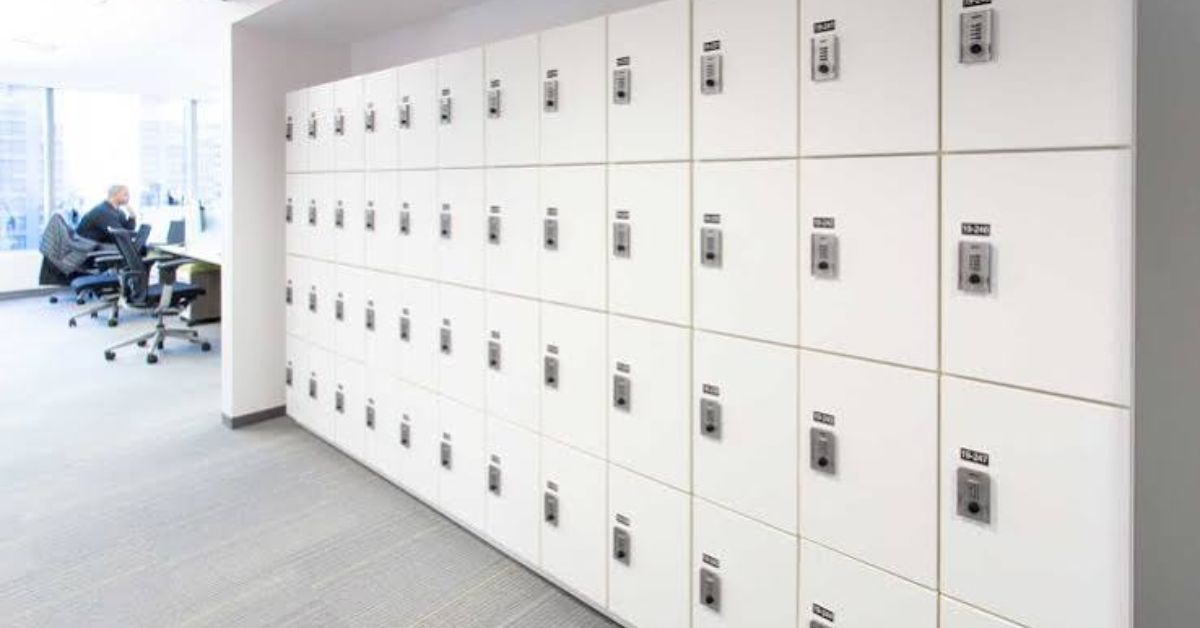
Laminate lockers are gaining ground in Charlotte-area schools, particularly in newer facilities and renovations where administrators want a more polished aesthetic. Laminate surfaces resist scuff marks and graffiti better than painted steel, and they are available in a wide range of colors and wood-grain patterns. The tradeoff is cost -laminate units run 30 to 50 percent more than comparable steel.
Phenolic lockers are used in specific school environments: pool locker rooms, athletic facilities with high humidity, and outdoor covered installations. Their moisture resistance is unmatched, but the premium price point makes them impractical for standard hallway use.
For schools on tighter budgets, top school lockers for sale that balance durability and security cover what to look for to get maximum longevity without overspending.
ADA compliance is non-negotiable for school locker installations receiving public funding. The key requirements affect locker height, hardware operability, and aisle clearance. Here is what matters:
Accessible lockers must have operable parts -handles, combination knobs, or locks -within the ADA reach range of 15 to 48 inches above the floor. Full-height single-tier lockers do not automatically meet this requirement; the locking mechanism needs to be positioned within the accessible range.
At least 5 percent of lockers in any installation, but not fewer than one, must meet ADA requirements for an accessible route, clear floor space, and operable hardware. For schools, this requirement extends to all locker rooms and hallway installations.
Hardware plays a critical role in ADA compliance. Combination locks require fine motor control that may not meet accessibility standards for all students. The importance of choosing the right locker lock for security and convenience covers the hardware options that balance security with accessibility requirements.
Locking mechanism choice affects both security and daily operational friction. The main options for school lockers are:
Built-in combination locks are the most common choice for public schools. They eliminate padlock management, reduce lost-key issues, and are generally ADA-compliant when positioned correctly. The main drawback is that combinations need to be reset between users, which adds administrative work at the start of each school year.
Padlock hasps are the simplest and least expensive option. Students supply their own padlocks, which they manage independently. This works well in environments where individual accountability is high, but leads to more incidents of forgotten combinations and lost keys.
Master-keyed key locks give school staff the ability to access any locker in an emergency while students use assigned keys. This is the most secure option but adds cost and requires a key management system.
Electronic locks including RFID card readers are becoming more common in newer Charlotte schools, particularly at the high school level. They offer convenience, detailed access logging, and easy code changes, but the per-unit cost is significantly higher than mechanical options.
Public school budgets in North Carolina are subject to specific procurement requirements. For purchases above certain thresholds, competitive bidding may be required. Factor this into your timeline -procurement processes for large locker orders can add 30 to 60 days to project schedules.
Budget estimates for new school lockers vary widely: standard steel double-tier lockers typically run $80 to $140 per unit at volume, while full-height single-tier units run $120 to $200. Laminate and phenolic units command a premium. Installation adds $20 to $50 per unit on average depending on complexity.
Schools managing tight capital budgets often mix new and used inventory strategically -new units for high-visibility hallways and athletic buildings, refurbished units for storage rooms and back-of-house areas. Why schools prefer to buy used lockers for students offers perspective on how districts navigate the quality-versus-cost tradeoff.
Document everything before your project begins: existing locker counts, measurements, current lock types, and any ADA-related requirements. That documentation will save time when comparing supplier quotes and will protect you if procurement questions arise after the purchase.
Quality commercial steel school lockers last 20 to 30 years under normal conditions. The main drivers of premature failure are rust from improper environmental controls, structural damage from abuse, and hardware failure from cheap locking mechanisms. Investing in heavier-gauge steel and quality hardware upfront reduces replacement frequency significantly.
Standard school hallway lockers are typically 12 inches wide, 12 to 15 inches deep, and 60 to 72 inches tall for single-tier units. Double-tier units are the same width and depth but split the height into two 36-inch compartments. Width can range from 9 to 18 inches depending on storage requirements.
Locker banks are anchored to masonry or drywall walls using through-bolts and backing plates, and to floors using floor anchors. Proper anchoring is critical for safety -unsecured locker banks are a significant fall hazard. Always confirm anchoring specifications with your supplier and ensure installation meets local building codes.
Yes, most commercial locker manufacturers offer custom color matching using RAL or Pantone color systems. Custom colors typically add lead time and cost versus stock colors, but many schools find the brand-alignment worth the investment. Standard color options from most manufacturers include a wide enough range that exact matching is often not necessary.
Annual maintenance should include inspecting hinges and latches, tightening loose hardware, checking door alignment, and touching up any chipped paint to prevent rust. Combination locks should be tested and any failing units replaced. A preventive maintenance schedule extends locker life significantly and reduces emergency repair costs.
Yes, when properly inspected and refurbished. Used commercial lockers from decommissioned schools or corporate facilities can provide years of additional service at significantly lower cost than new units. Inspect structural integrity carefully, confirm ADA compliance for any accessible units, and budget for refinishing if needed.