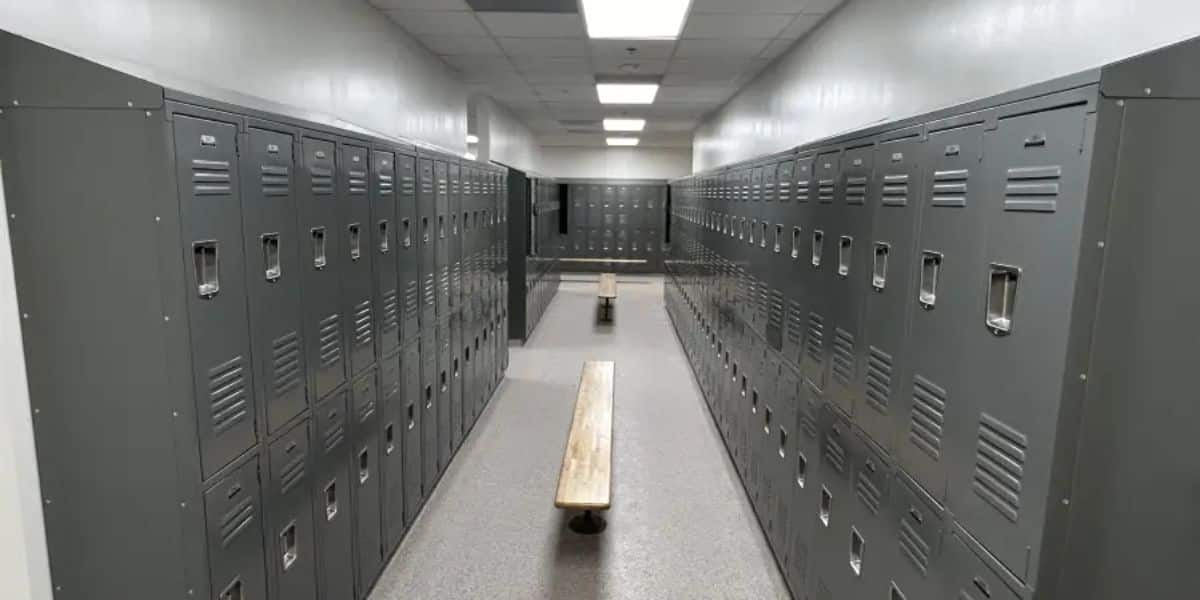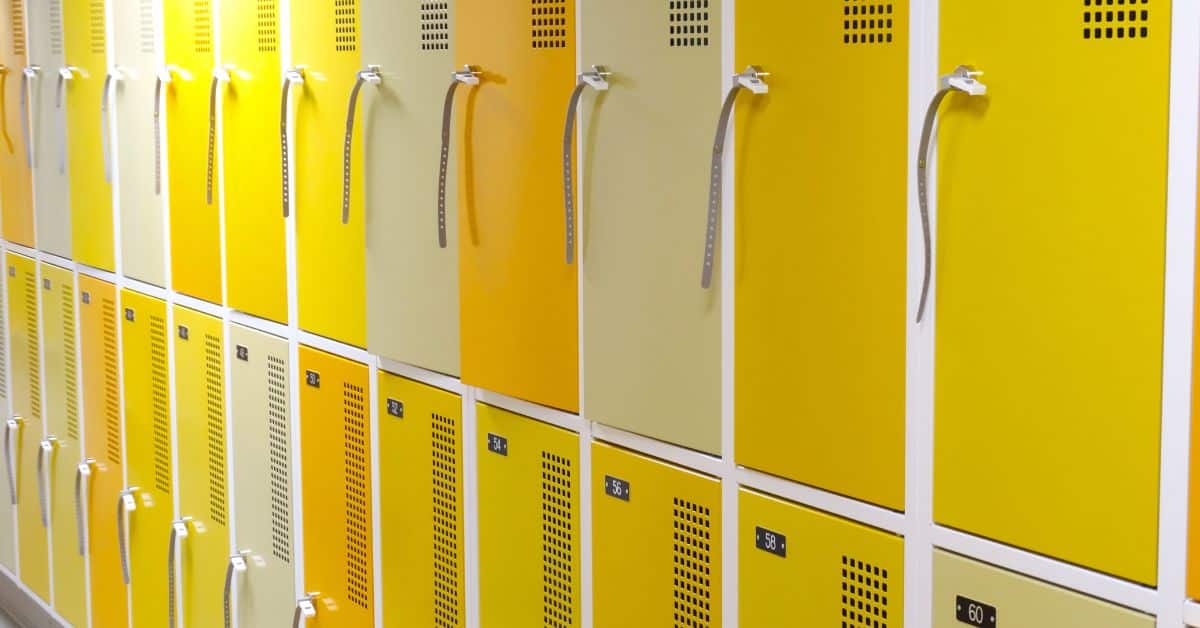

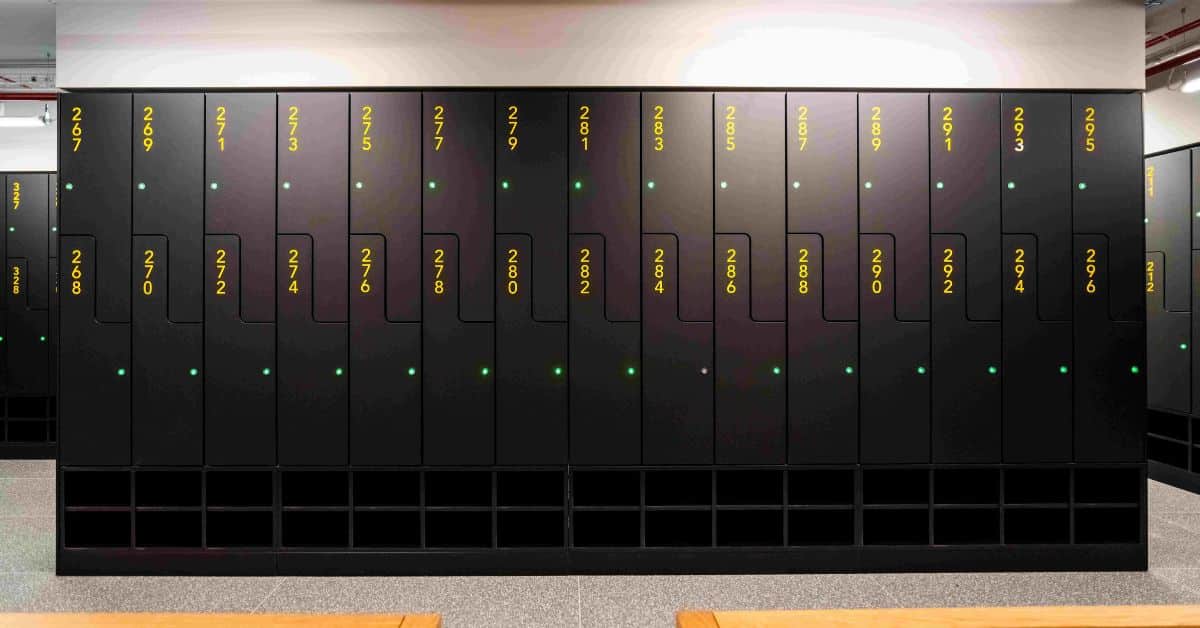
Walk into most gyms during peak hours, and the locker room tells its own story. Doors bang open, damp towels pile up, and members move through the space in waves between classes. Locker room lockers for gyms need to survive that pace without falling apart, and picking the wrong product often shows up as a maintenance headache within the first year.
This guide covers what gym owners and facility managers should think about when planning a new locker room, from material choices to layout decisions that keep members moving smoothly through a busy space.
A gym locker room sees a different kind of wear than an office break room or even a school hallway. Members are often in a hurry between a workout and the rest of their day, which means doors get opened and closed quickly and sometimes carelessly. Add in sweat, humidity, and the occasional dropped water bottle, and it becomes clear why generic storage products rarely hold up in this environment.
Ventilated gym lockers solve one of the biggest complaints gym staff hear on a regular basis, which is odor building up inside closed compartments. Mesh panels or perforated doors let air move through the locker even when it holds a sweaty shirt or a pair of damp shoes for several hours.
Traffic flow matters just as much as the lockers themselves. Rows spaced too close together create bottlenecks during class changeovers, while a thoughtful layout keeps members moving without bumping into each other while they change.
Most gyms benefit from offering more than one locker size throughout the facility. Full height lockers work well for members bringing a complete change of clothes, a gym bag, and shoes. Smaller compartments suit members who only need to stash a phone and keys during a quick session.
Thoughtful gym locker room design takes this mix into account from the start rather than treating every locker bank the same way. Day use lockers near the entrance also help manage guests, trial members, or anyone without a permanent assigned locker.
Material choice plays a role in style as well as durability. Powder-coated steel remains the most common option because it resists dents and scratches while offering a wide range of color choices to match branding. Plastic lockers work well in areas near pools or saunas where moisture would eventually damage steel over time.
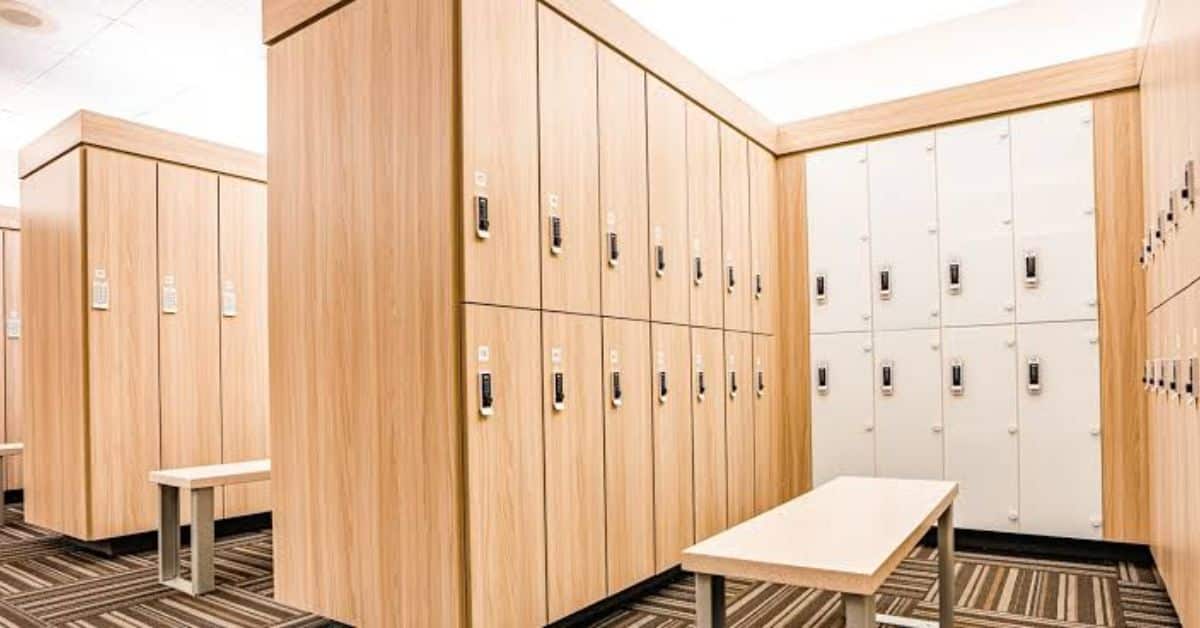
Members trust a gym with their phone, wallet, keys, and sometimes jewelry the moment they step away from their locker. Security has to work every single time, not just most of the time.
Facilities focused on gym locker security increasingly lean toward electronic or RFID locking systems tied to a membership account. This approach removes the hassle of forgotten combinations and gives staff an easier way to manage lost access without drilling out a lock in front of a frustrated member.
Combination locks remain a dependable, lower-cost option for gyms not ready to invest in electronic systems across the whole locker room. Whatever system a gym chooses, clear signage reminding members to lock up valuables reduces disputes and builds trust over time.
Steel frames with a quality powder coat finish handle the bulk of daily wear that most gym locker rooms see. Reinforced hinges and sloped tops, which discourage members from stacking bags on top of units, add years to a locker’s usable life without adding much to the price.
Plastic and phenolic lockers deserve serious consideration for gyms with pools, saunas, or steam rooms nearby. These materials resist corrosion completely and never need repainting, which matters for facilities already stretched thin on maintenance staff and time.
Locker room benches placed near each row round out the space, giving members somewhere comfortable to sit while changing shoes without crowding the main aisle.
Few gyms want to close entirely for a locker replacement project, since members expect access around the clock or close to it. Scheduling the noisiest parts of installation during slower midday hours, rather than peak morning or evening rushes, keeps complaints to a minimum.
Phased installation, replacing one section at a time, lets part of the locker room stay usable throughout the entire project. A supplier experienced in commercial gym work will typically suggest this approach without being asked, since they have seen how disruptive a full shutdown can be for member retention.
Facilities researching examples of gym lockers in Charlotte or similar markets often find that local suppliers understand regional humidity and traffic patterns better than a national catalog company shipping standard sizes without any site visit.
Lockers Unlimited works with gyms, schools, and clubs on projects exactly like this, bringing an understanding of ventilation needs, moisture resistance, and daily traffic patterns into every recommendation for a new locker room.
Reviewing a full range of new lockers before finalizing an order helps gym owners compare sizing, finish, and price across multiple options rather than settling for the first catalog page they find.
Locker room lockers for gyms face a level of daily wear that few other commercial spaces see. Choosing durable materials, a thoughtful size mix, and dependable security keeps members satisfied and keeps replacement costs from piling up sooner than expected.
1. How long do gym lockers typically last?
Well-built steel or plastic gym lockers usually last ten to fifteen years under heavy daily use. Lifespan depends on material quality, ventilation, and how much moisture the locker room regularly handles.
2. What size locker works best for a gym?
Most gyms benefit from a mix of full height and smaller lockers. Full-size units suit members with a complete change of clothes, while smaller ones work for quick sessions.
3. Are ventilated lockers necessary for gyms?
Yes, ventilation slots or mesh panels prevent odor buildup from sweaty clothes and damp shoes. Without airflow, closed lockers can develop unpleasant smells within just a few hours.
4. Should gyms use electronic or combination locks?
Both work well, but electronic or RFID locks tied to membership accounts simplify access management. Combination locks remain a reliable, lower-cost alternative for smaller facilities.
5. How can a gym replace lockers without closing?
Phased installation, updating one section at a time, keeps part of the locker room available throughout the project. Scheduling work during slower hours also reduces disruption.