

Every facility that needs storage eventually faces the same question. Do you buy brand new lockers, or do you save money with used ones? The honest answer is that neither choice is automatically better. The right call depends on your budget, your timeline, how the lockers will be used, and how long you expect them to serve. A school replacing a single hallway has different priorities than a warehouse outfitting a new break room, and a boutique gym cares about appearance in ways a maintenance shop does not.
This guide lays out the real tradeoffs between new and used lockers, offers a checklist for evaluating used units, and shows how many organizations combine both to get the best value.
Price is usually the first thing buyers compare. Used lockers typically cost a fraction of new ones, sometimes half or less depending on condition, brand, and quantity. For organizations working with tight budgets, that gap can mean the difference between outfitting an entire locker room this year or phasing the project over several years.
Upfront price is only part of the picture, however. New lockers come with a manufacturer warranty, a full expected lifespan, and no hidden wear. Used lockers may have years of service left, but their remaining life varies from unit to unit. A well-maintained steel locker can easily outlast the facility that bought it, while a neglected one may need hinge repairs or repainting within a couple of years.
The most useful way to compare is cost per year of expected service. If a used locker costs half as much and offers two-thirds of the expected life, it may still be the better value. If it needs heavy refurbishment to reach that point, the savings shrink quickly. Ask your supplier for honest estimates, and request photos or in-person viewing before committing to a large order.
For a closer look at this tradeoff, this comparison of second-hand lockers versus new options walks through the main differences.
There are situations where buying new is simply the smarter move. Understanding them helps you avoid saving a few dollars now and paying for it later.
Custom sizes and colors. If your layout calls for a specific dimension or a branded color, new production is often the only way to get an exact match. Used inventory is limited to what is available, which means mixed sizes and colors that may not suit a showpiece space.
Warranty protection. New lockers typically include coverage against defects in materials and workmanship. For large installations, that protection offers peace of mind that used units cannot match.
Specialized environments. Facilities with unusual needs, such as extreme humidity, heavy chemical exposure, or strict hygiene requirements, often benefit from purpose-built lockers with specific materials and finishes.
Image and consistency. A new locker installation delivers a uniform appearance across every unit. Executive suites, upscale fitness clubs, and public-facing lobbies often justify the extra cost because appearance directly affects how visitors perceive the organization.
If you are leaning toward new, this guide to the top features to look for in the best new lockers will help you compare options with confidence.
Used lockers are not a compromise in many situations. They are simply the practical choice. Here are the cases where buyers consistently get excellent results.
Tight budgets. Schools, nonprofits, community centers, and startups frequently need storage faster than their budgets allow. Quality used lockers solve that problem without forcing a smaller project.
Back of house areas. Break rooms, workshops, warehouses, and utility corridors rarely need showroom appearance. Function matters more than finish, so the savings from used units are easy to justify.
Short to medium term needs. If you expect to move, renovate, or reorganize within a few years, buying new may not make sense. Used lockers hold their resale value reasonably well, and many organizations resell them when their needs change.
Sustainability goals. Reusing a steel locker keeps usable material out of the waste stream and avoids the energy needed to produce a new one. Many organizations include this in their environmental reporting, and the environmental benefits of second-hand metal lockers are well documented.
Matching existing lockers. If you need to expand a bank of older lockers, used units from the same era often match better than modern replacements.
Not every used locker is worth buying. A careful inspection separates strong deals from expensive headaches. Whether you view units in person or review detailed photos, check the following.
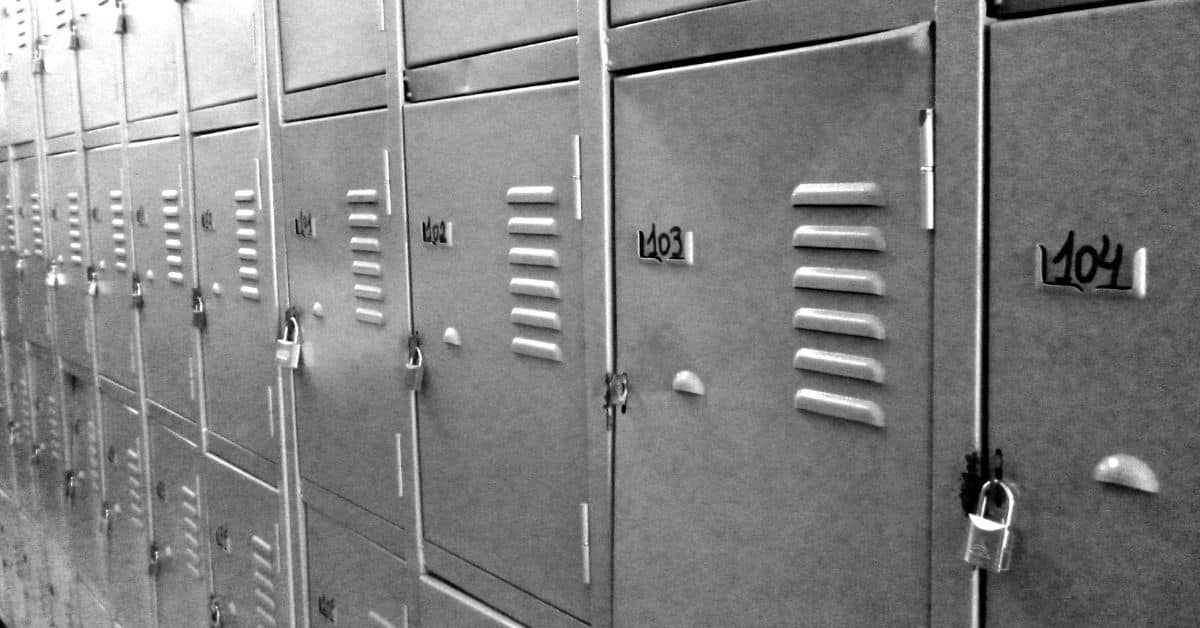
Frame and doors. Look for straight, square frames and doors that close flush. Small dents are cosmetic, but warped doors or bent frames can signal heavy abuse. Open and close several doors to test the hinges.
Rust and corrosion. Surface rust on a few edges can be treated, but widespread corrosion near the base or around seams may indicate moisture damage. Check the bottom of each locker carefully, since that is where problems often begin.
Latches and locks. Test every latch. Make sure combination locks turn smoothly and reset properly, and confirm that padlock hasps are intact. Missing or damaged hardware is common, so ask whether replacement parts are available.
Paint and finish. A fresh coat can transform older lockers, but chipped or peeling paint may hide underlying rust. Ask whether units have been refurbished or repainted.
Consistency. Confirm that the lockers you view are the same ones you will receive, and ask how many matching units are available. A bank that mixes several colors and styles can look haphazard.
For a more detailed walkthrough, review this guide on what to inspect before buying second-hand lockers before you finalize a purchase.
Some of the smartest buyers do not choose one or the other. They use both strategically. A school might install new lockers in its main hallway, where students and visitors see them every day, and use quality used lockers in gym corridors and secondary buildings. A fitness center could use new lockers in premium member areas and refurbished units for staff. A manufacturer might outfit an executive suite with new lockers while equipping the plant floor with used ones.
This approach delivers a strong first impression where it matters while stretching the budget across the rest of the project. It also gives you a chance to compare performance over time, which can guide future purchasing decisions.
When mixing, keep colors and styles as consistent as possible within each space. Separate areas can use different lockers without looking mismatched, but a single hallway should look uniform.
Whether you choose new, used, or a mix, a few questions can protect you from surprises.
A trustworthy supplier answers these questions directly and does not rush you into a decision. If you receive vague answers, keep shopping.
Buying from a supplier that sells both new and used lockers has a real advantage, because the advice is not biased toward one choice. Lockers Unlimited works with schools, gyms, clubs, and businesses on projects of every size, and can help you compare options side by side based on your budget, space, and timeline.
If you want to see what is available, browsing the full range of new and used lockers is a good starting point before you request a quote.
New and used lockers each have a place. Buy new when you need custom sizes, warranty coverage, or a polished look. Buy used when budget, speed, or sustainability matter most, and inspect carefully before you commit. For many organizations, the smartest strategy is a thoughtful mix of both.
1. Are used lockers a good value compared with new?
Often yes. Used lockers typically cost much less and can serve for many years if the frames, doors, and hardware are in good condition and properly inspected before purchase.
2. How much cheaper are used lockers than new ones?
Prices vary by condition, brand, and quantity, but used lockers commonly cost half as much as new or less. Bulk orders and refurbished units can change the savings considerably.
3. Do used lockers come with a warranty?
Warranty terms differ by supplier. New lockers usually include manufacturer coverage, while used units may carry a limited guarantee or none at all, so always confirm in writing.
4. How can I tell if a used locker is worth buying?
Check for straight frames, flush doors, working latches, and minimal rust near the base. Test several doors in person if possible, and confirm replacement parts are available.
5. Can I combine new and used lockers in one building?
Yes, many facilities use new lockers in visible areas and used ones in back-of-house spaces. Keep styles consistent within each room so the overall look stays uniform.