

Most advice on sports lockers assumes one team, one room, and one roster. A real athletic department runs three seasons through the same building, and many athletes play more than one sport. The lockers that look right in September can feel wrong by February. This guide focuses on that rotation problem: how to assign space across a school year, what the changeover costs in time, and which designs and locks make turnover easier. For roster layouts and room design, our guide to team lockers covers the basics, so we will not repeat them here.
Take a school with 90 fall athletes, 60 winter athletes, and 70 spring athletes. These are example numbers, so swap in your own. The department can choose among three models.
| Model | How it works | Lockers needed |
|---|---|---|
| Dedicated | Every athlete keeps a locker tied to one team all year | 220 (90 plus 60 plus 70) |
| Shared pool | Lockers are cleared and reassigned at each season change | 99 (90 peak plus 9 spare) |
| Hybrid | The largest team keeps 40 lockers; everyone else shares a pool | 117 (40 plus 77) |
The hybrid pool is sized by the busiest of the remaining groups. In this example, that is 70 spring athletes, plus about ten percent spare, or 77 lockers. The gap between models is large. Dedicated lockers need 220 units, and the shared pool needs 99, which is 121 fewer. Multiply that difference by the per-unit price on your quote, and you can see why the choice matters. The tradeoff is labor and goodwill, because athletes give up their private space every few months.
There is a fourth version, which assigns one locker per athlete for the whole year, whatever sports they play. If 25 of those athletes play two seasons, the school has 195 unique athletes, since 220 minus 25 is 195. That model is simpler for students, but it only works when every team shares one room and one locker size.
Most schools run separate rooms, and a pool cannot cross the hallway. Split the earlier example. Fall has 55 boys and 35 girls, winter has 35 and 25, and spring has 40 and 30. Each room is sized by its own peak, which is 55 and 35, both in the fall. Add ten percent spare to each, rounded up, and you get 6 and 4. The boys’ room needs 61 lockers, and the girls’ room needs 39, so the two rooms together need 100 rather than 99. That extra locker is the price of keeping the rooms separate. Run the numbers for each room before you trust a single school-wide total.
A shared pool only saves money if someone can clear it quickly. Suppose each locker takes six minutes to empty, wipe, check, and relabel. For 99 lockers, that is 594 minutes, or just under ten hours of work. That is one person for a long day or three people for a short morning. The six-minute figure is an assumption, so time your own crew on a sample row before you plan around it.
Build the changeover into the calendar. Pick a day between seasons when no team is using the room, and tell athletes ahead of time to take everything home. Anything left behind goes into a labeled bin in the equipment room, with a pickup deadline posted on the door.
Teams argue about locker size by sport, and the argument rarely ends. A better method is to measure. Ask each coach to bring the largest bag or the bulkiest set of gear their athletes carry, and measure it. Say the largest bag is 14 inches wide, 12 inches deep, and 28 inches tall. Add two inches in each direction for hanging space and airflow, and you need an interior of at least 16 by 14 by 30 inches. Those numbers are an example, so use your own.
If one team needs a larger size, buy those units for that team and keep the pool uniform for everyone else. A mixed pool invites arguments about who gets the big ones.
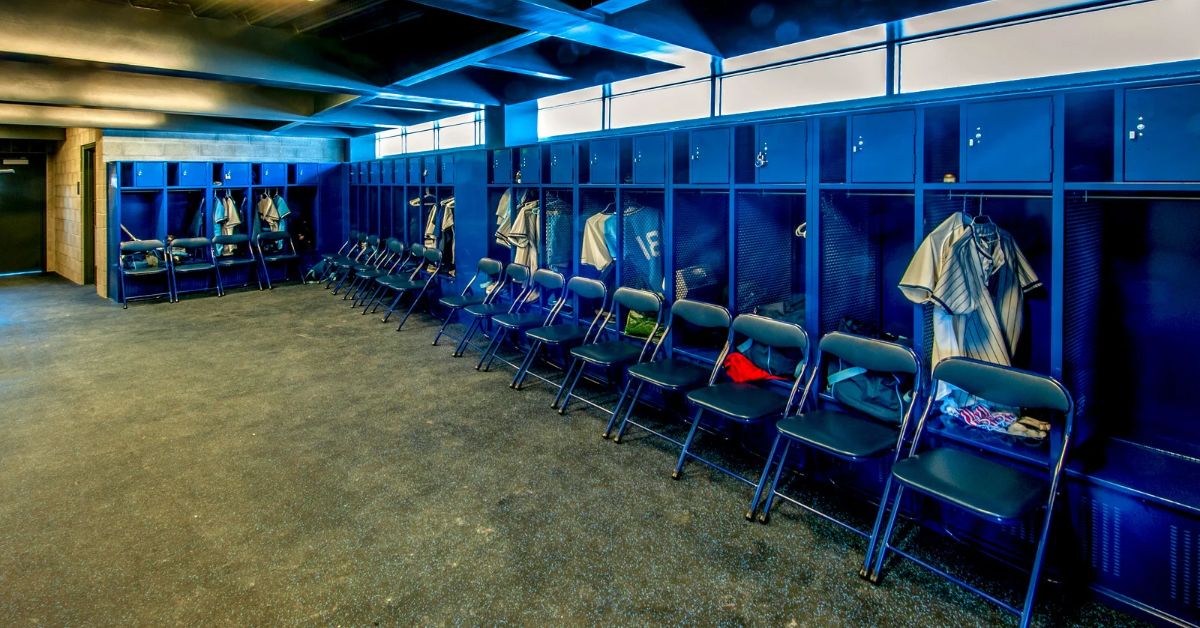
Open front designs make rotation easier because nothing is hidden. Our new lockers page describes stadium front lockers with an open front, integrated hooks and shelves, and finishes you can match to team branding. A coach can see at a glance whether a unit is empty, which speeds the check.
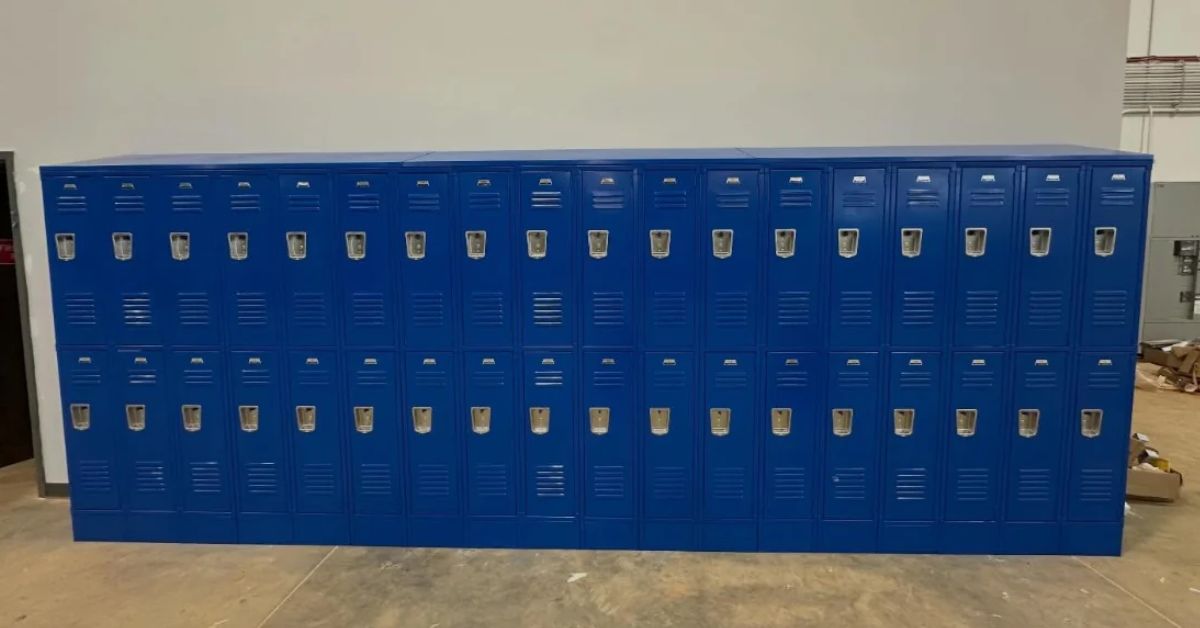
Closed door units protect phones and wallets, which matters when visitors share the room. They also hide clutter, so a closed-door pool needs a firmer inspection routine. Some schools mix the two, giving the biggest team open fronts and everyone else secure doors. Whichever style you pick, order one size for the whole pool, so any athlete can take any locker.
Keys are the hidden headache in a rotation. Each season you collect, count, and reissue them, and every missing key costs time. The shop lists locks from Master Lock and Digilock. At the time of writing, master keys for Master Locks are $8.25, and a Digilock Range Lock Manager Key is $30. If rotation is your plan, ask the supplier how each option handles reassignment, and decide before the lockers arrive rather than after. A reissue plan matters most in spring, when seniors leave, and keys tend to leave with them.
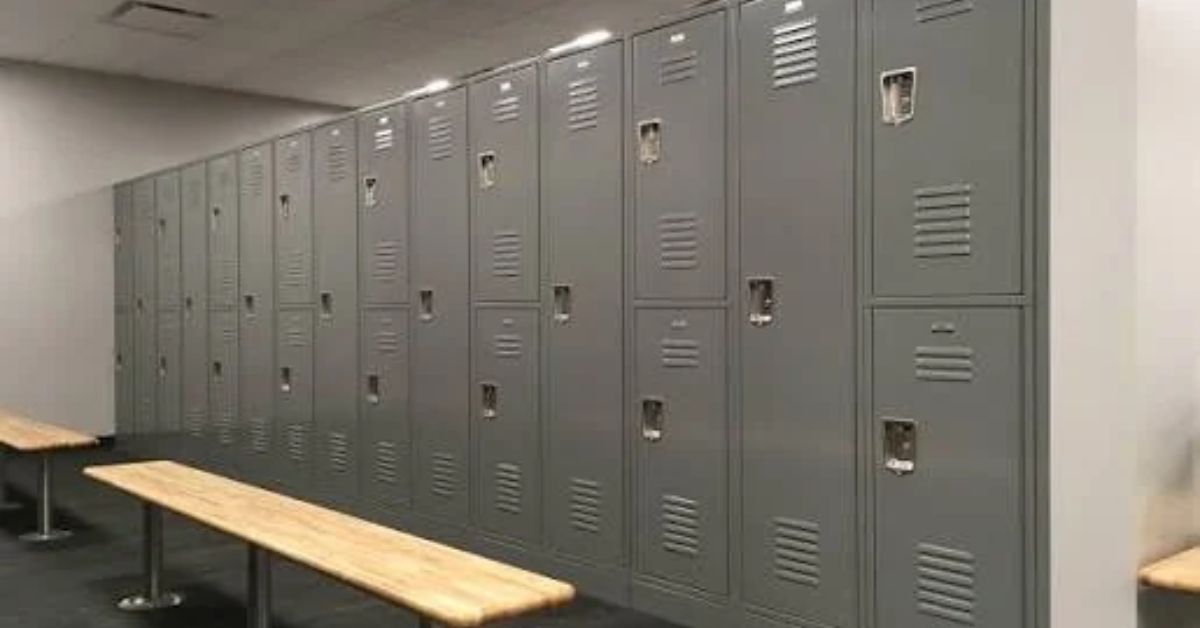
Athletes change in the aisle, so benches carry as much traffic as the lockers. A bench stays put through every roster, which means it must handle the busiest season. As a planning figure, allow 24 inches of bench per athlete. If 30 athletes change at once, that is 720 inches, or 60 feet of seating. That is a planning number, not a standard, so adjust it for your room. You can browse benches alongside the lockers and plan both together.
Spare lockers look like waste on a budget line, yet they carry the whole plan. They absorb late joiners, transfer students, and the athlete who loses a key or needs a replacement mid-season. They also give the changeover crew room to work, since one locker can be cleaned while its neighbor stays in use. Cut the spare to zero, and every small surprise becomes a scheduling problem.
A rotation fails when it arrives as a surprise. Explain the plan at the start of the year on one page: the changeover dates, what to take home, and where leftovers go. Number each locker and keep a simple sheet that records who holds it each season. Parents care about valuables, so say clearly what the school will and will not take responsibility for. Short, plain notices cut down on lost items and awkward phone calls.
The cheapest locker room is the one sized to the peak, not the sum. Bring your season counts and room measurements to Lockers Unlimited, where the free quote request includes layout planning for your space. Share your numbers, request a free quote, and ask for pricing on a shared pool next to a dedicated option so you can compare them side by side.
How many sports lockers does a school need?
Count athletes in your busiest season, then add about ten percent for spares. If every sport keeps its own lockers all year, add the season totals together instead.
Can athletes who play two sports share one locker?
They can, if staff clear and reassign the locker at each season change. Dedicated lockers avoid that handoff but require many more units across the whole department.
Are open front or closed door lockers better for rotation?
Open fronts make checks fast and let gear dry quickly. Closed doors protect valuables. Choose based on whether visitors share the room and how much security you need.
What locks work best when lockers rotate often?
Choose locks you can reset or reissue without collecting every key. Ask your supplier how the Master Lock and Digilock options handle reassignment before you place the order.
How long does a locker changeover take?
That depends on your crew. At six minutes per locker, 99 lockers take about ten hours. Time one sample row first, then schedule the real figure.