
Choosing the best commercial lockers supplier in Charlotte NC is one of those decisions that looks simple until you are deep into the buying process. Suddenly, you are comparing lead times, warranty terms, installation capabilities, and a dozen product specifications you did not know mattered. This guide cuts through the noise and gives you a practical framework for finding the right supplier for your project.
The commercial locker market is crowded with national distributors, regional dealers, and manufacturers who sell direct. Each has advantages, and none is automatically the right choice. What matters is finding a supplier whose strengths match your specific project requirements.
Product depth is the first differentiator. A strong commercial locker supplier carries multiple locker types: steel, laminate, phenolic, and wood. They stock different tier configurations, locking options, and size variants. A supplier with a narrow catalog will push you toward what they have rather than what you actually need.
Locker suppliers who also handle installation are worth prioritizing, especially for large or complex projects. Coordinating a separate installer adds a layer of complexity -and a potential finger-pointing situation if something goes wrong. Working with a local locker installation company that combines supply and installation under one roof often results in smoother projects and cleaner accountability.
Understanding your options is essential before you talk to any supplier. Here is a quick breakdown of the main commercial locker types and where each works best:
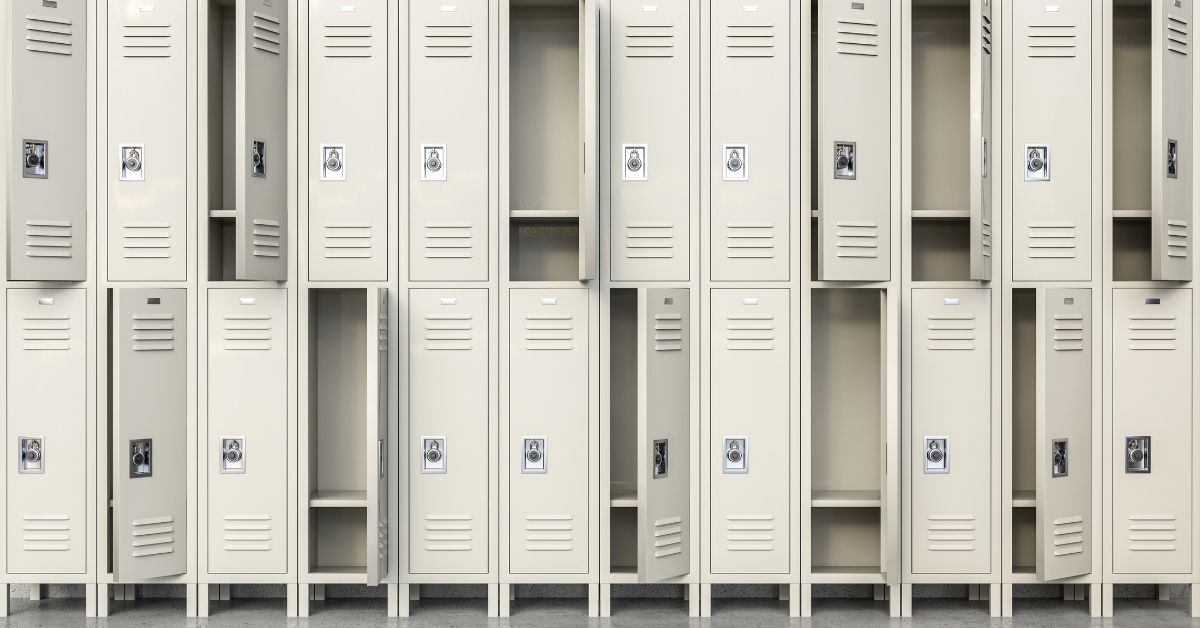
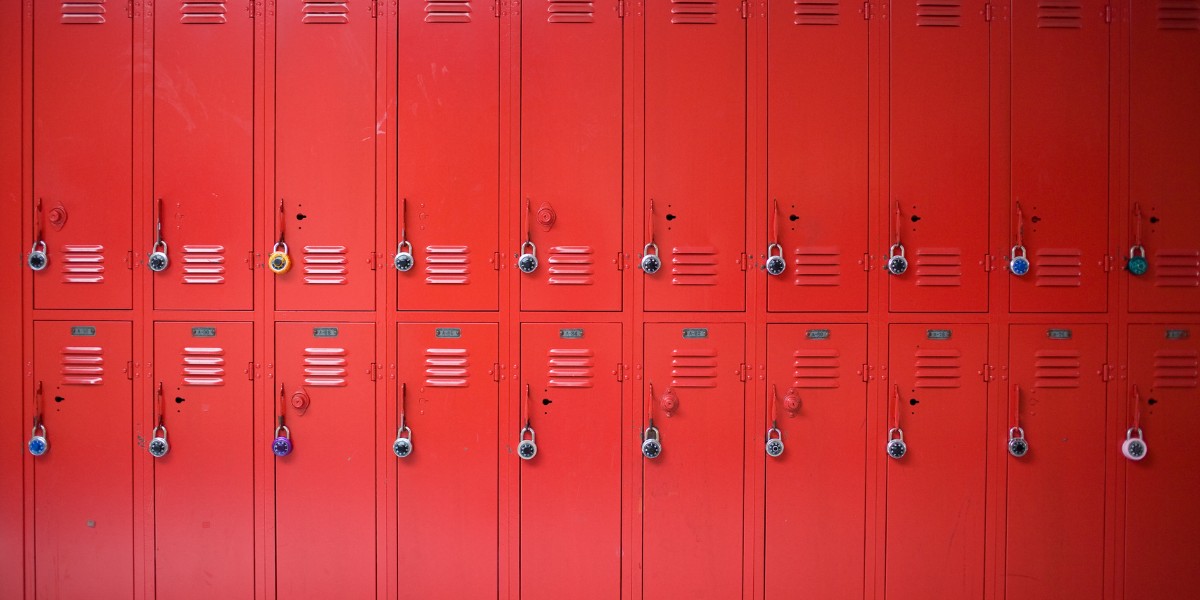
Steel lockers are the workhorse of the commercial market. Durable, versatile, and widely available in new and refurbished condition, they suit schools, gyms, warehouses, and offices. They are available in single-tier, double-tier, and multi-tier configurations.
Phenolic lockers are high-pressure laminate units that resist moisture and mold exceptionally well. They are the preferred choice for aquatic centers, locker rooms near pools, and spa facilities where humidity is constant. They cost more than steel but outlast it in wet environments.
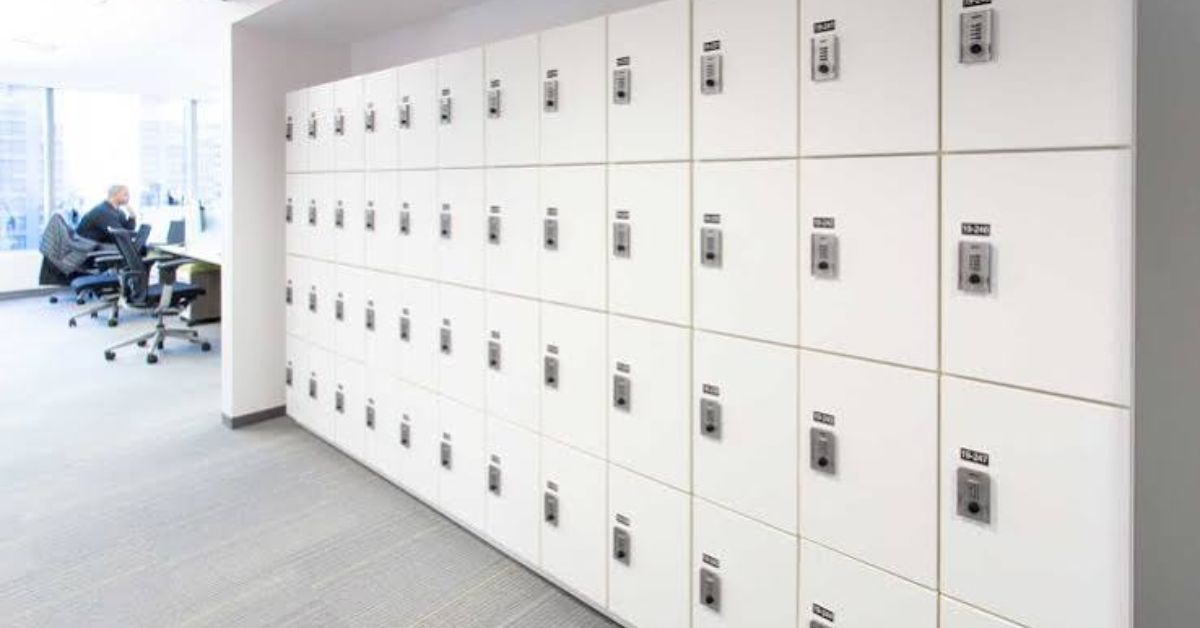
Laminate lockers offer a premium aesthetic at a lower price point than phenolic. They are popular in corporate offices, boutique fitness studios, and school environments where appearance matters. They handle moderate humidity but are not for pool-adjacent use.
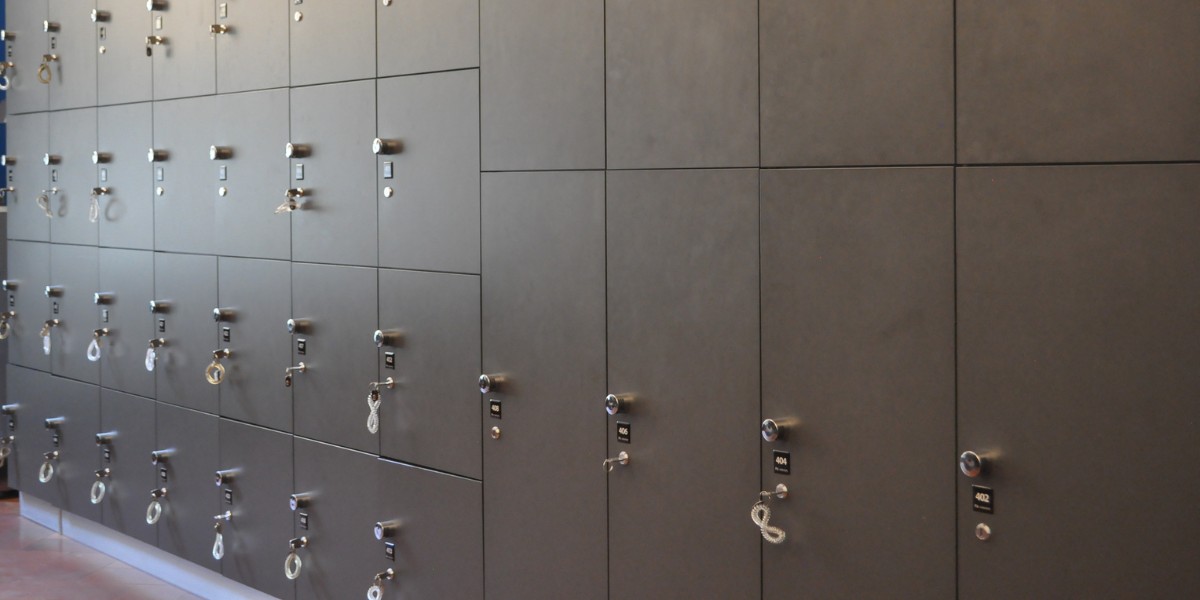
Wood and executive lockers bring warmth and style to upscale facilities. Corporate wellness centers, country clubs, and law firms sometimes specify these for executive or VIP changing areas. The top features to look for in executive lockers cover the quality markers that separate genuine premium products from aesthetic-only options.
Local reputation matters in a market like Charlotte. Before committing to a supplier, do some due diligence:
Ask for project references. Any established commercial locker supplier will be able to provide references from schools, gyms, or businesses they have served in the Charlotte metro area. Call those references and ask specific questions about delivery accuracy, product quality, and how the supplier handled any issues.
Look at the supplier’s range of services. Do they offer space planning and layout consulting? Can they provide CAD drawings of your locker room configuration? These services signal that the supplier is a real commercial partner, not just a product catalog.
Check whether they carry both new and refurbished inventory. A supplier who only sells new units may not be the most objective advisor when a mix of new and used might serve your budget better. Suppliers who stock high-quality used lockers with smart storage solutions demonstrate the inventory breadth that serves clients across budget ranges.
Price negotiation with commercial locker suppliers is normal and expected. Here are the levers worth pulling:
Volume discounts are the most straightforward. If you are buying 50 or more units, ask explicitly for volume pricing. Most suppliers have tiered pricing that is not always listed on their website or in initial quotes.
Timing matters. Suppliers who have inventory sitting in a warehouse may be more willing to negotiate on price to move units. If your project timeline is flexible, let the supplier know -you may be able to take advantage of clearance pricing or overstock deals.
Bundle installation with the purchase. Suppliers who handle both supply and installation sometimes offer better total pricing when you commit to the full package. Even if installation costs seem higher than hiring a third party, the coordination savings and single-point accountability often make it worth it.
Asking about refurbished options for lower-visibility areas of a project is another smart move. Refurbished used lockers that have been professionally reconditioned can fill back-of-house or staff areas at a fraction of the cost of new, freeing budget for premium units in public-facing spaces.
Charlotte has a robust commercial construction and renovation market. New schools, corporate campuses, healthcare facilities, and fitness centers are being built regularly, which means local suppliers are well-equipped to handle commercial locker projects of all sizes.
Delivery logistics within Charlotte are generally straightforward. Most commercial locker suppliers serving the area use freight carriers with experience handling large, heavy locker shipments. Confirm delivery details upfront -will they bring units to the floor of installation, or just to the loading dock? That distinction matters for scheduling and labor planning.
Finding the best commercial lockers supplier in Charlotte NC is ultimately about alignment: their capabilities need to match your project’s requirements. Invest time in the evaluation process, ask the hard questions, and you will end up with a supplier relationship that serves you on this project and every future one.
Quality commercial steel lockers are built to last 20 to 30 years or more with proper maintenance. The main factors affecting longevity are the gauge of steel, quality of the powder-coat finish, and the environment they operate in. Humid or corrosive environments shorten lifespan significantly if the lockers are not specified accordingly.
This depends entirely on room dimensions, locker size, and aisle clearance requirements. As a rough rule, a 12-by-20-foot locker room can accommodate 20 to 40 standard-size lockers depending on configuration. A good supplier should be able to provide a layout drawing based on your room measurements before you finalize any purchase.
Look for suppliers whose products meet ANSI/BHMA standards for hardware, and whose manufacturing partners have quality management certifications. For school environments, confirm that lockers meet applicable ADA requirements. Some manufacturers also carry GSA contracts, which can simplify procurement for government facilities.
Yes, modular locker systems can be disassembled, moved, and reconfigured, though it is more complex with built-in locker banks than with freestanding units. Discuss reconfiguration flexibility with your supplier during the planning phase if you expect future facility changes.
A locker dealer carries products from multiple manufacturers and can offer more variety and objective advice. A direct manufacturer sells only their own products, which may limit your options but can sometimes offer better pricing. For complex projects, dealers with multiple manufacturer relationships often provide better service.
Start with the intended use: day-use lockers for gyms and pools need different specs than assigned student lockers or employee lockers in an office. Then consider space constraints, budget, and whether appearance is a priority. A good supplier will walk you through the options once they understand your use case and constraints.