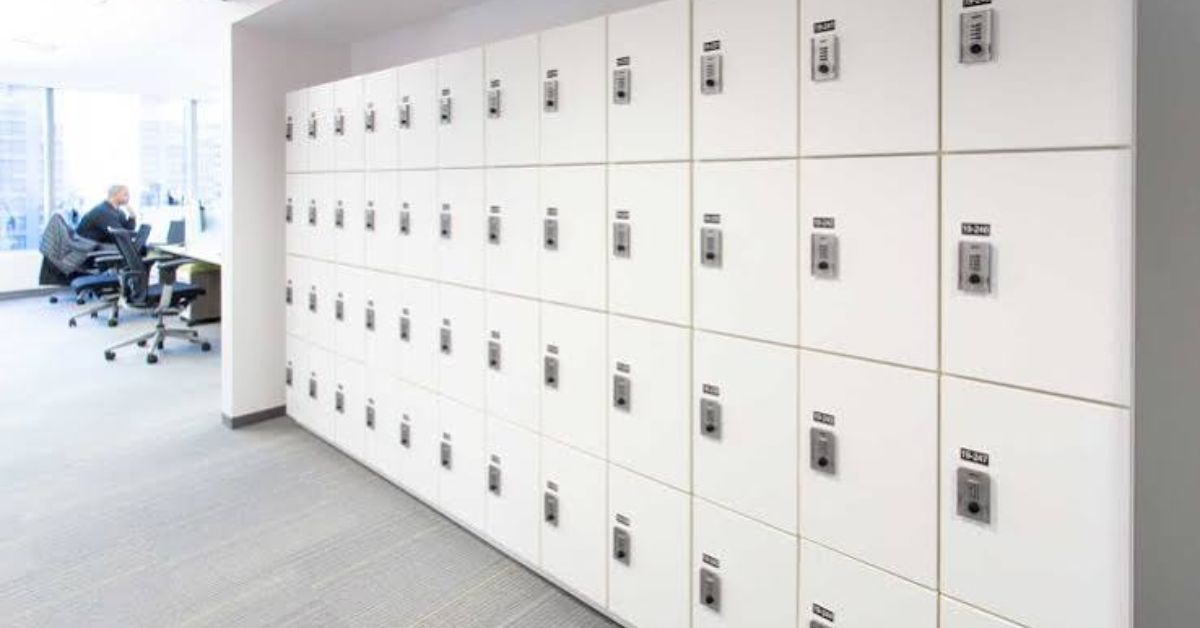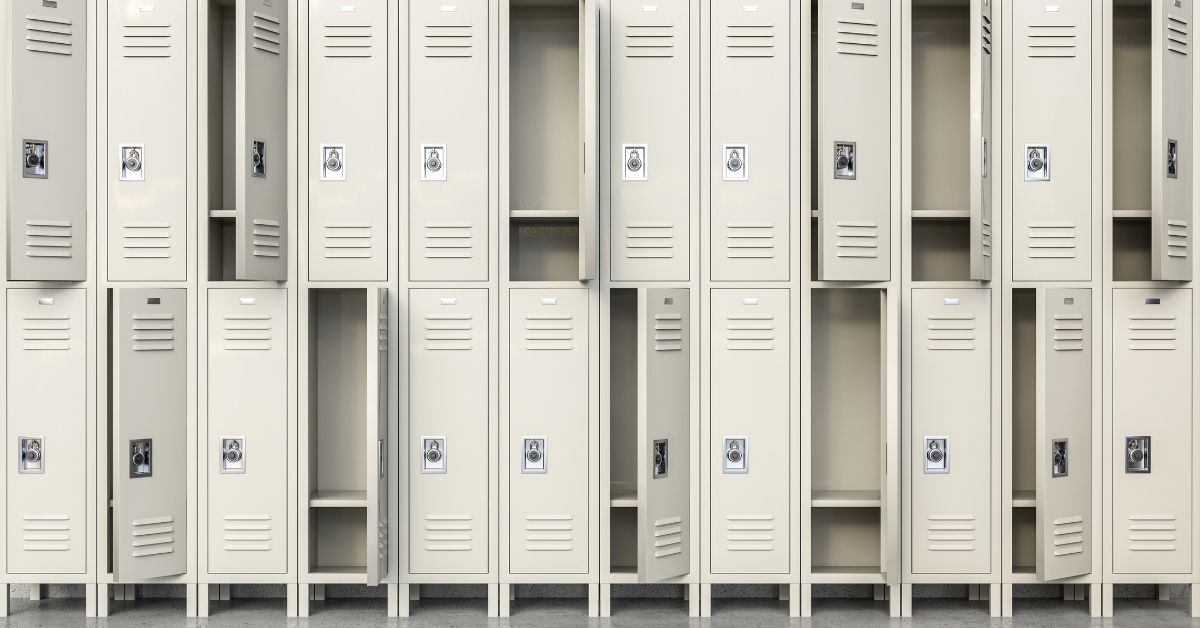


Walk into any well run golf club and you will notice the locker room says a lot about the property before a member ever swings a club. Golf club lockers do more than hold shoes and a spare glove. They set a tone. A scuffed metal box with a bent door tells members the club is coasting. A clean, well fitted locker with a solid finish tells them someone still cares about the details.
If you manage a course, a resort, or a private club and you are weighing new golf club lockers, this guide walks through what actually matters: sizing, materials, layout, and how to plan an installation that will not disrupt your busiest season.
Golf facilities are not gyms and they are not schools, even though they share some of the same storage needs. Members often store bulky items such as extra shoes, rain gear, a second set of gloves, sunscreen, and sometimes a full change of clothes for the nineteenth hole. That means golf club lockers usually run larger than a typical gym locker, with taller compartments and sometimes a shelf built in above the hanging rod.
Traffic patterns matter too. A tee sheet packed with morning groups means dozens of members hitting the locker room within the same thirty minute window. Doors need to open and close smoothly, locks need to work every time, and the layout needs enough room between rows so nobody is bumping elbows while they change shoes.
This is where a locker line built for sports lockers for sale earns its keep. Products designed with athletic and club environments in mind tend to have reinforced hinges, sloped tops that discourage members from leaving bags on top of the units, and ventilation that keeps damp golf shoes from turning a locker room sour by mid afternoon. Facilities that host outside tournaments sometimes also look at stadium front lockers for faster guest access between rounds.
Not every locker on the market is built for the wear a golf club sees over a full season. A few things separate a locker that lasts fifteen years from one that starts rattling after two.
First, look at the frame. All welded steel frames hold their shape far longer than lockers assembled with rivets alone, especially once doors get opened and closed thousands of times. Second, check the lock options. Many clubs now prefer combination locks or keyless entry so members are not carrying a spare key alongside their scorecard. Third, think about compartment size. A single tier locker with a full height door gives members room to hang a jacket properly instead of folding it into a cramped cubby.
If your club leans upscale, premium wood lockers are worth a serious look. They bring a warmth that plain steel cannot match, and they photograph beautifully for a clubhouse renovation announcement or a membership brochure.
Steel remains the workhorse choice for golf club lockers because it holds up to humidity, resists dents, and is easy to clean. Powder coated steel comes in a wide range of colors, so clubs can match a locker room to their existing branding rather than settling for institutional gray.
Wood veneer lockers, often built over a steel frame for durability, give a clubhouse a country club feel without sacrificing strength. These are popular in member facing areas where the locker room doubles as a place to relax before or after a round.
Plastic and phenolic lockers show up more often in courses near coastal areas or anywhere humidity and salt air chip away at metal over time. They resist corrosion and never need repainting, which matters if your maintenance staff is already stretched thin during peak season.
Whatever material you choose, name plates, number tags, and interior hooks make a real difference in day to day use. Small touches like a built in shoe rack or a mirror mounted on the door add convenience without adding much cost per unit. Pairing new lockers with matching locker room benches ties the entire space together nicely.

Timing an installation around a golf season takes planning. Most clubs try to schedule locker replacement during the shoulder season, when tee sheets are lighter and members are less likely to notice construction noise near the pro shop.
A good installer will measure the space carefully before ordering, since golf clubhouses often have irregular layouts with columns, low ceilings, or angled walls left over from earlier renovations. Ask your supplier whether they handle full service installation or whether you will need to coordinate a separate contractor. Full service saves headaches, especially if old lockers need to be removed and hauled away first.
Once installed, golf club lockers need less maintenance than people expect. Wipe down surfaces regularly, tighten hinges once or twice a year, and address any lock issues immediately so members never get locked out before a tee time. A quick annual inspection catches small problems before they turn into a full locker replacement.
Picking a supplier matters as much as picking a locker style. Look for a company that has actually installed lockers in athletic and club settings before, not just office break rooms. Ask for references from other courses or country clubs if you can. A supplier familiar with sports lockers for sale will understand the traffic patterns, moisture concerns, and durability standards that a golf clubhouse demands, and they can help you avoid ordering the wrong size or finish for your space.
Lockers Unlimited works with clubs, schools, gyms, and businesses on exactly this kind of project, matching locker style and layout to the way a facility actually gets used day to day. For high-traffic programs, durable athletic lockers built for daily wear are a smart complement to any golf specific locker line.
If you are still narrowing down sizes and finishes, browsing a supplier’s full range of new lockers is a good next step before requesting quotes for your clubhouse.
Golf club lockers are one of those investments members rarely mention directly, yet they notice immediately when something feels off. Choosing the right frame, finish, and layout for your clubhouse pays off in fewer complaints, less maintenance, and a locker room that matches the quality of the course outside.
1. How long do golf club lockers typically last?
Well-built steel or wood veneer lockers usually last fifteen to twenty years with normal use. Lifespan depends on frame quality, humidity control, and how often doors and locks get used each day at your club.
2. What size locker is best for a golf clubhouse?
Most clubs choose full-height single-tier lockers around twelve to eighteen inches wide. This gives members room for shoes, a jacket, and extra gear without feeling cramped during busy tee times.
3. Should golf club lockers use keys or combination locks?
Combination or keyless locks work well since members are not carrying extra keys around the course. Many clubs prefer electronic locks for guest lockers and traditional combinations for permanent member assignments.
4. Are wood lockers practical for a golf clubhouse?
Yes, especially when built over a steel frame. Wood veneer lockers hold up well indoors and give a clubhouse a polished, country club look that plain metal lockers cannot match.
5. How much does installing new golf club lockers cost?
Cost depends on material, size, and quantity, but most clubs get a free quote based on their exact layout. Full-service installation usually costs less overall than piecing the project together separately.